


DUBAI: Dazed and completely daunted, Sharon listened to the muffled words of the doctor informing her that she had Stage 3 breast cancer. “Why only now?” the doctor asked repeatedly, as images of her two young boys flashed before her.
It did not seem possible. With no family history of breast cancer or habits that would place her at risk of developing the disease, she had believed her health was fine. Then one afternoon, while she was in the cafeteria at the university where she worked, a pain shot from her armpit to her breast. Terrified, Sharon booked into a clinic for a consultation.
During the 10-day wait for the results of her tests to come back, the pain got worse by the day. Then came the diagnosis: Advanced stage breast cancer that might have already invaded lymph nodes and muscles beyond the tumor site.
Sharon, a single mother from the Philippines, had moved to the UAE in 2006 to teach at a university in Sharjah, leaving her children to be cared for by others who could provide them with a better life, in common with many others from her country who have chosen to support their families through working abroad.
Yet the strain of being away from family becomes even more intense for those with a chronic illnesses who face hospital appointments alone, sitting in waiting rooms without a familiar hand to squeeze.
Even so, when faced with the difficult choice of staying in the Gulf or returning home for treatment, many expats choose to stay. Sharon was no exception.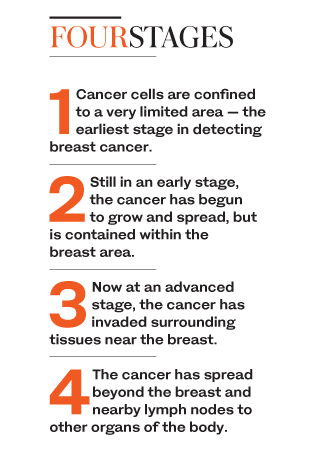
Breast cancer, which has four stages, is one of the world’s most common cancers, and causes 15 percent of cancer-related deaths among women — the greatest number, with 627,000 deaths worldwide in 2018 alone. In the Middle East, through fear and embarrassment, doctors fear women are discovering they have cancer when it is at an advanced stage when risks are higher.
“Breast cancer is the number one form of cancer in the Middle East among women, and there’s been a stable increase of reported incidents in the region,” Dr. Mohanad Diab, head of oncology at NMC Hospital in Abu Dhabi, told Arab News.
A significant number of his breast cancer patients are expats, he added. More than 98 percent of them stay in the country for treatment.
Often these women stay because they think of themselves as the “breadwinners” with families depending on their earnings. For them, going home would mean the loss of a major source of household income.
Sharon said that she “didn’t want to be a burden” to her kids by returning to the Philippines with an illness that would costs thousands of dollars to treat: After all, her young children were relying on her income for a comfortable life and good education.
Another factor is the “generous” medical insurance available in the UAE, which Sharon was able to use for most of her treatment — from initial tests to a mastectomy.
Alma Linggay, a 39-year-old expat who discovered she had cancer last October, faced a similar predicament to Sharon. She was also working in the UAE and receiving treatment away from family in the Philippines. “I can’t stop working. I have a lovely daughter I need to provide for. I have to be strong for her.”
Linggay said that it was a “blessing” to be able to receive treatment in the UAE, adding that her insurance has covered most of her chemotherapy sessions. “I only pay Dh10 ($2.72) per session for my chemo,” Linggay said, adding she might have had to pay for treatment elsewhere.
So highly regarded is the UAE’s breast cancer treatment that doctors even recommend staying in the country to benefit from this.
“In the UAE, we have the most advanced technology in radiotherapy, and all kinds of chemotherapy around the world are available in this country,” Dr. Diab said.
In the majority of cases, breast cancer patients are encouraged to continue with their daily routine, he said. “Breast cancer treatment usually takes a long time, so we advise them to stay here to continue working,” Dr. Diab said, explaining that not working can add to emotional and mental pressures patients face.
“We always tell them how they can still work as usual, with only 20 to 25 percent of daily power compromised. Nonetheless, patients with breast cancer will still be able to fulfill all commitments in their jobs,” he said.
But not everyone can face going through treatment without having easy access to the support of their family and home.
Sharon recounts the stories of some who returned to their home countries, either immediately after diagnosis or after being cleared of cancer, only to end up with more complications.
“I know around four to five people who died after going back to the Philippines,” Sharon said, her eyes downcast.
Despite being miles away from her family, she did not feel totally cut off while she being treated in the UAE.
“My doctors and nurses are very supportive, as well as my employer, who was also among those who convinced me to stay in the UAE,” she said, adjusting her bright pink turban.
“It’s extremely important for breast cancer patients to have a support system throughout their treatments,” said Dr. Nazura Siddiqi, a specialist in obstetrics and gynecology at Bareen International Hospital, adding that besides the physical challenges of the disease, it is “mentally draining.”
Yet Sharon has reported rarely feeling alone as she struggled with the disease. Once, she found more than 50 envelopes, scattered across the floor of her university office — all filled with anonymous messages from her students keen to cheer her up and promising to support her.
University staff would club together to help out every time she found herself unable to pay some additional medical expenses.
Now Sharon has become an advocate of breast cancer awareness, conducting informative talks in schools to share her experience in dealing with cancer and encouraging women to have themselves tested as early as possible.
She also meets with people who have the same condition in social gatherings, usually hosted by the UAE-based cancer support group, Blessed.
On the day she was diagnosed with cancer it felt like a death sentence, Sharon said. Now she wants to share how the experience turned out.
“I’ve successfully beat cancer now,” she said. “I’m glad I stayed.”


