




JEDDAH: The power of memory is strong when faced with difficult situations: Time and again, works of greatness emerge from personal tragedy, as they have with Mohamad Hafez, a Syrian sculptor and architect living in the US.
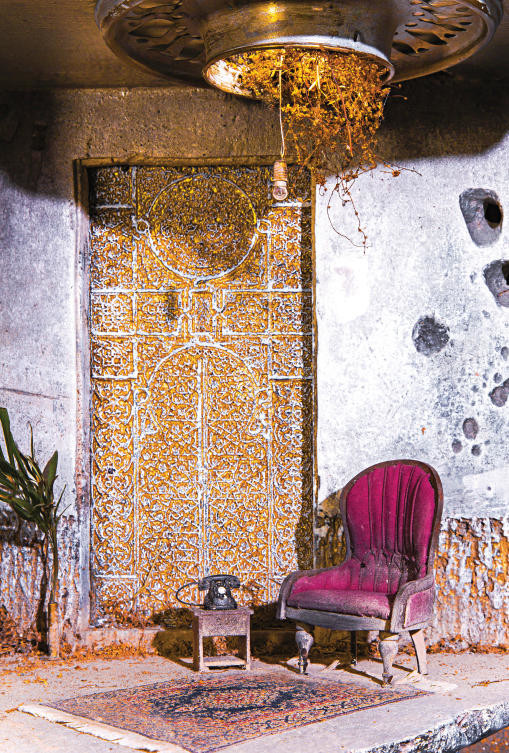
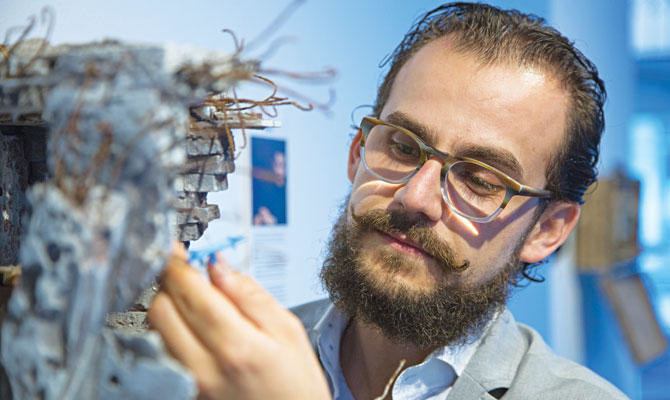
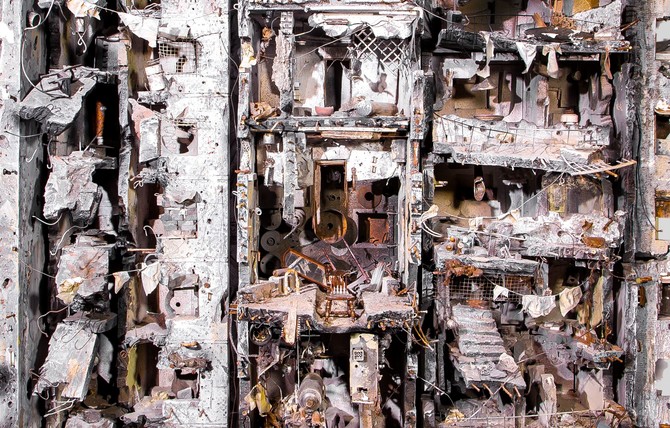
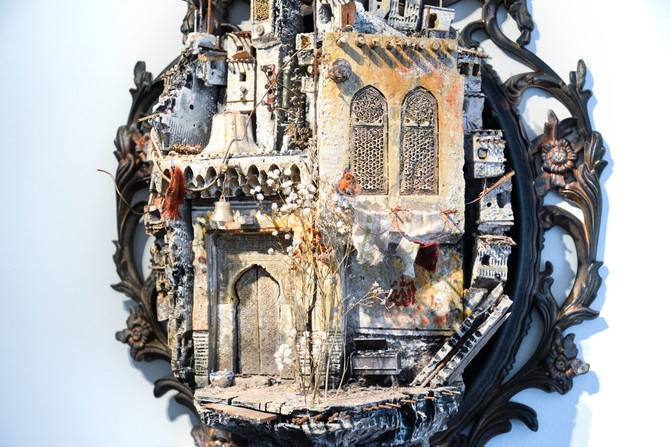
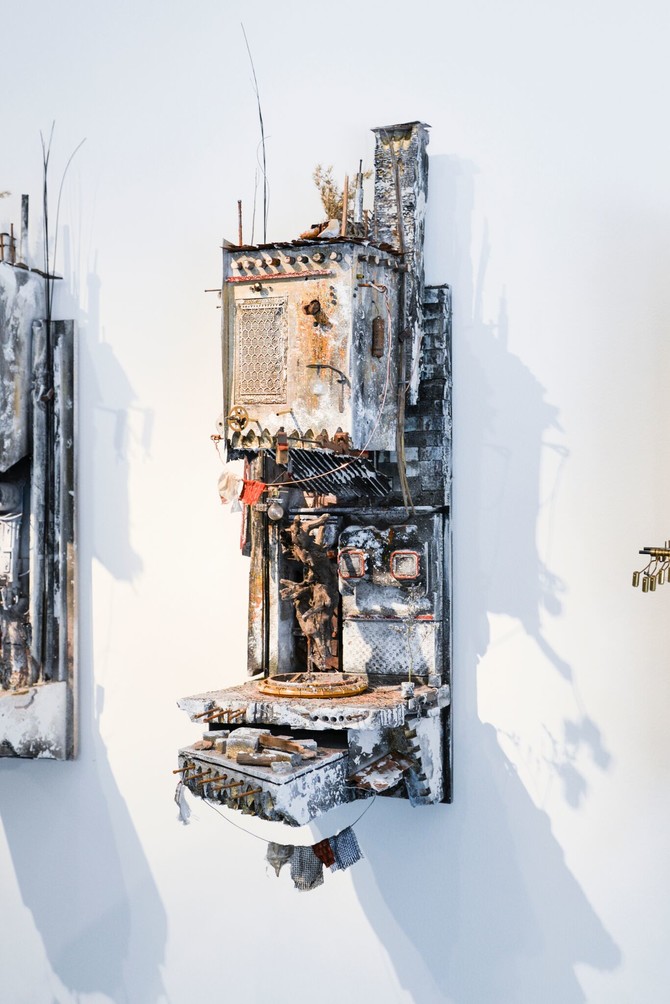
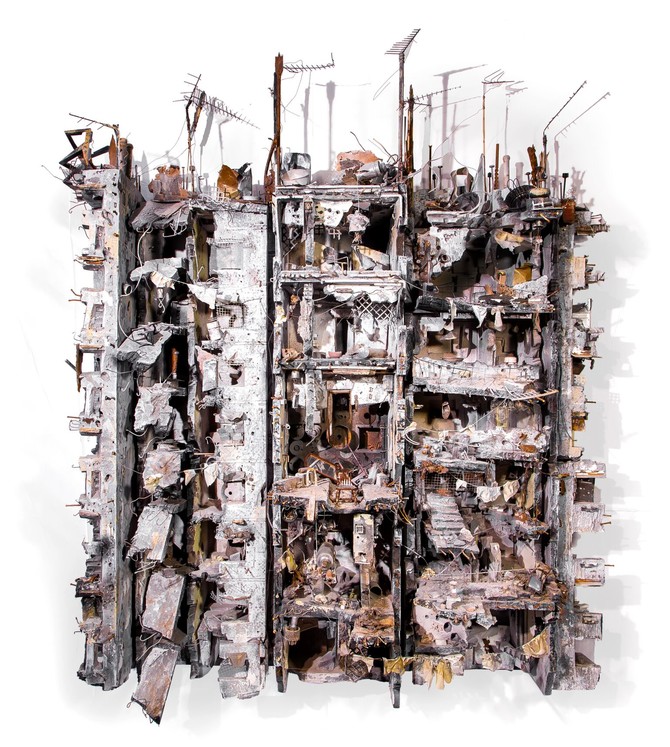
Hafez puts together three-dimensional miniature scale models of his beloved homeland, damaged by war but keeping the essence of its magnificent structures, based on memory and images sent to him by fellow Syrians and family members who are there today.
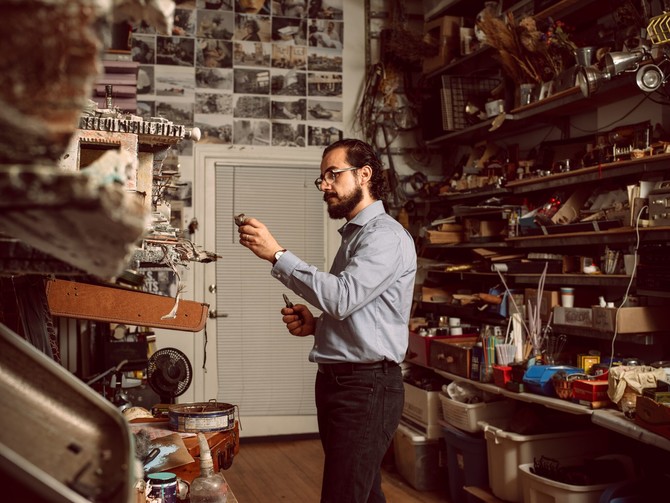
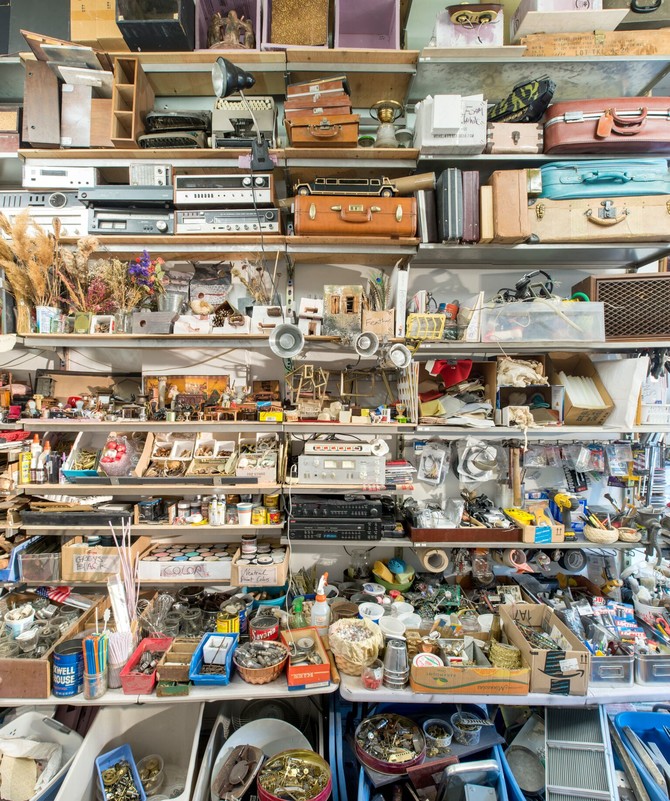
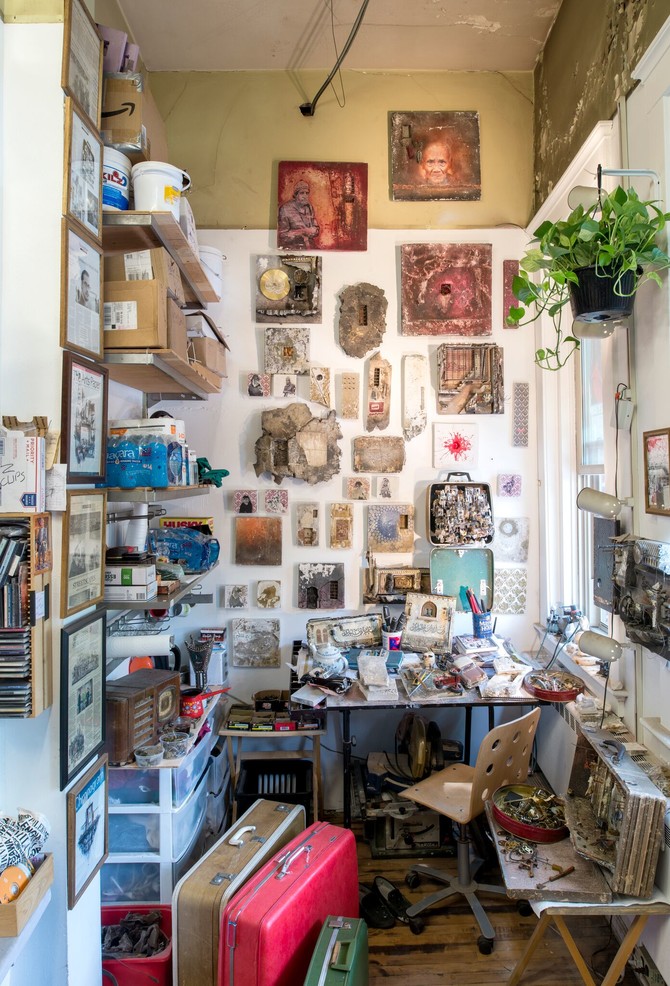
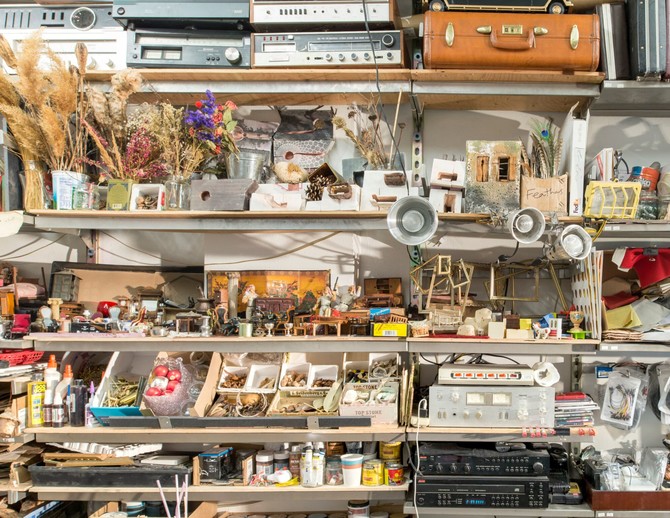
Speaking from his studio in New Haven, Connecticut, surrounded by his scrap materials and miniature objects, Hafez turned on his small water fountain, made some strong Syrian coffee and spoke of his love for his country and the recent initiatives he proudly presents in an effort to humanize the term “refugee.”
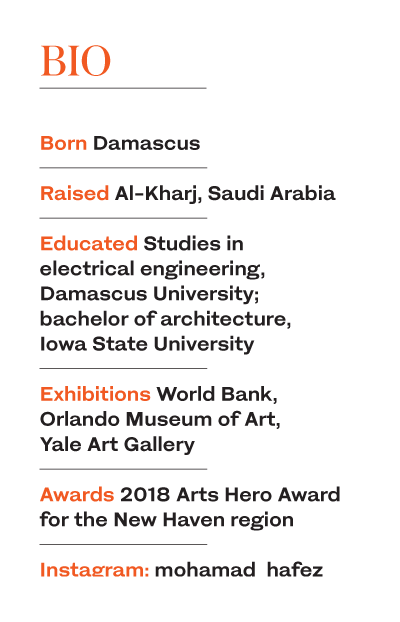
Born in Damascus and raised in Saudi Arabia, Hafez’s earliest memories of Syria were of summers spent with family and friends, until he moved back to the Syrian capital in 1999 after spending 15 years in Al-Kharj.
For four years, he walked and breathed Syria before leaving in 2003 for the US. He admired and appreciated its alleyways, fountains, parks, historic structures and the feeling of calmness between the people.
“I left Syria to start my studies in architecture. It was Syria’s golden years, and I didn’t get enough of it. As per my visa requirements, I was granted a one entry visa for my whole stay at university. I could never go home and I became homesick,” he told Arab News.
“Stuck in the middle of Iowa, surrounded by corn fields, alone and homesick, I felt a natural instinct erupt, and as an architectural student, a medium was available at hand: Architectural models and scrap materials. Out of instinct, I spent 13 hours making a model of an area of old Damascus based on my memories and pictures I hold dear.”
Infatuated by Syria, Hafez dug deep to answer questions about why he obsessed over romanticizing the country. Syria, ancient Mesopotamia, Assyria ruled by several empires that left their mark, preserved and protected by its people for centuries — it’s one of the few countries in the world where the old never clashes with the new.
“Syria was like no other. It had a magnificence to it that not many understand unless they read and delve into its long-standing history. To walk its small streets and find a mosque to your right, a Roman Catholic church to your left, ancient ruins somewhere ahead, and it just goes on coexisting. So, instead of answering the questions, I show them. It’s therapeutic.”
He has kept his work in his studio for 10 years, working with his emotions and collecting, modeling, plastering and glueing miniature objects for his models before showcasing them to the world.
His ritual starts with burning bukhoor (incense) and turning on his water fountain, with oud music in the background, while the dim lights show walls plastered with personal pictures of Damascus before and after the war. He has his Syrian coffee made with cardamom alongside a plate of dates and Syrian chocolates.
 In 2011, he visited Damascus just before the start of the war. What was supposed to be a short business trip turned into six weeks of pure bliss due to a complication with his entry visa. Walking the alleyways of the Old City, the souks, the gardens and magnificent homes, Hafez felt at home again.
With memories at hand, in his sketches and pictures, Hafez returned and continued creating miniature installations of urban life as it once was, with action figures standing in for people.
The details he puts into these installations are staggering: Household objects, an abandoned 1970s Volkswagen Beetle, marble pillars, a mosque’s minaret, rawasheen (woodwork), celebratory night lights usually found in neighborhoods, a clothes line hanging outside a balcony and a small outdoor jalsa (seating area).
“Through the sense of smell and taste, I create an atmosphere that allows creativity to flourish, a nostalgic atmosphere. For months, my continuous work is a result of how I feel, the process, creating a refuge for myself. Had I not found this refuge, I could’ve succumbed to depression just as many Syrians now feel after the initial start of the war. It started earlier with me. I made a place for myself here in the States, but I never stopped longing for my home. It’s since intensified with the images I see of the war and how my family is spread across the globe.”
After years of work and thousands of miles away, his miniature models of Syria are no longer showing happy times but are now showing the beauty of what was, hidden beneath the rubble and destruction, in hopes that one day it will return to its days of glory.
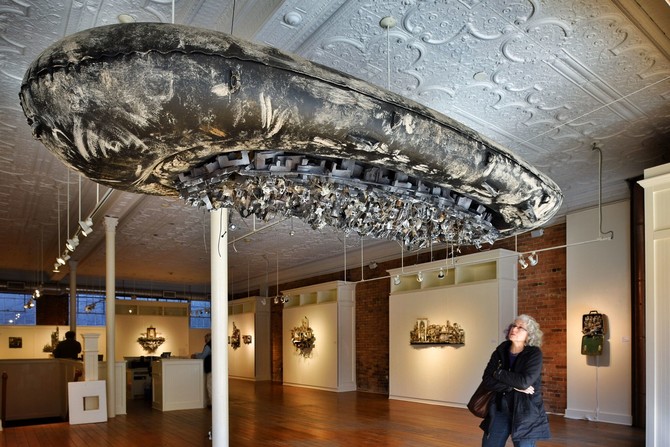
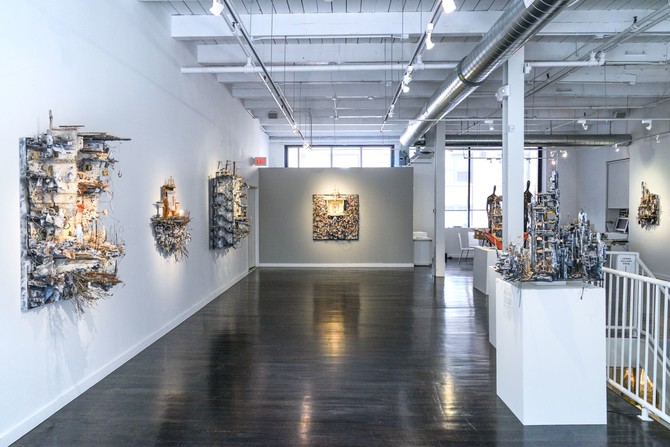
The work is visceral, taking the viewer on a nostalgic trip around the room with a sense of wonder. Hafez has showcased his work in many exhibits and galleries, to raise awareness about the atrocities of the war. “My work is very layered and intense, disturbing with a hidden beauty. When you humanize your art and highlight the human storytelling aspect, you reveal the common denominator between people,” he said.
“Everyone has baggage and everyone can relate to the architectural scenes without the need to be living the situation. The pain is heightened when you see your country turn to dust, and viewers understand. Many who have viewed the pieces don’t need to say anything. A smile as they leave an exhibit tells me that they understand.”
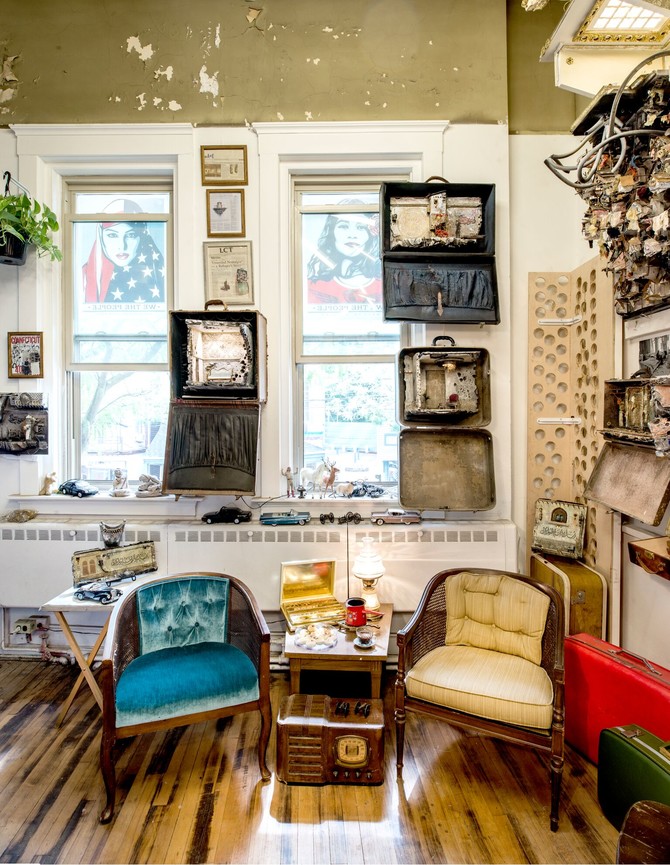
Hafez has recently given a TEDx talk on how he uses his art to defy stereotypes and false perceptions about refugees, migrants and Muslims. He is also the co-founder and curator of the “Unpacked Refugee” initiative, a multimedia installation that seeks to humanize the term “refugee,” where he provided suitcases donated by Americans from the Jewish and Irish immigrant communities in the area. The works tell stories of 10 refugee families, and the suitcases are also scale miniatures telling their stories.
It is no surprise that Hafez’s work touches the heart. In telling the story of what once was, he also tells the stories of our ancestors, a common denominator we all share in this world.


