


 ISLAMABAD: All over the world, in order to make informed electoral choices, citizens rely on understanding key policy pledges contained in party manifestos. Party manifestos are not unveiled just ahead of an election but are live documents that are continually shaped and refined.
This is not the case in Pakistan, which is to undergo its 11th general election on Wednesday (July 25). Even though the pre-election environment has kicked in a while ago and opinion polls have largely depicted citizens’ voting preferences, political parties have only begun to unveil their election manifestos in July, indicating that it is not in fact outlining of their pledges in manifestos based on which they wish to seek citizens votes.
While a large number of political parties are contesting the general election, most relevant are the larger political parties vying for obtaining the majority of seats to be able to form a government in the center and in four provinces.
A comparison among parties on their manifesto promises can only be carried out by looking at the level of detail devoted by each party to critical issues, detail of how to carry out and implement policies, specificity, resources needed and where the resources will come from.
Political parties in developed democracies have to include costing proposals if, for instance, they pledge to reduce or increase education or health budgets.
While parties have articulated policy pledges in 2018 manifestos, these are given without providing sound costing and therefore equate to mere promises or wish-lists leading to questions whether parties will be able to follow these once elected to power and if citizens can adequately analyze soundness of the manifesto commitments made by the parties.
General Election 2018 manifestos of seven political parties are analyzed here over a range of key issues to gauge how parties plan to manage excessive population growth, address impending water shortage, boost economic growth rate, and generate sufficient employment. The comparative analysis also looks for targets to improve quality of education and health care and plans to improve the effectiveness of civil-military consultation on National Security.
Political parties that have been in power at the center and in provinces have outlined a relatively detailed and focused account of their policy plans but no party has provided extensive outlines of policies providing details of how to carry out and implement policies, specificity, resources needed and where the resources will come from.
The party position table provides, at a glance, the level of detail of key policies outlined in their 2018 manifestos:
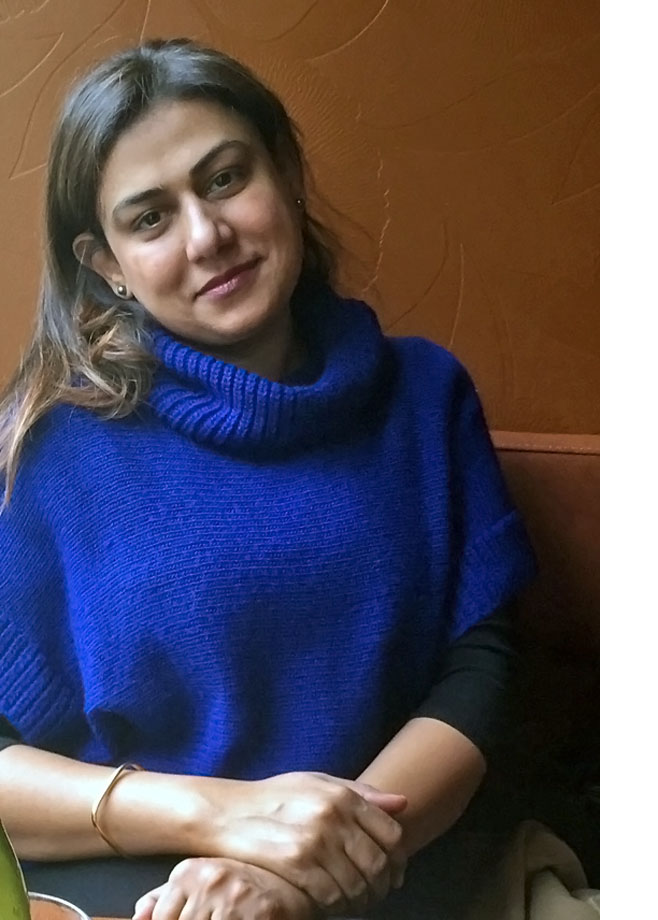
– Aasiya Riaz, joint director at PILDAT, a leading Pakistani think-tank she co-founded in 2001. She leads PILDAT’s projects and activities. She has more than 15 years’ experience of providing thought leadership in governance and democracy, policy, communication and management while she promotes strengthening democratic and political institutions under the overall ambit of rule of law.
Trained in media and political communication at the London School of Economics, Aasiya has also worked with the mainstream press and electronic media in Pakistan as a political analyst. She was a Reagan-Fascell Democracy Fellow at the National Endowment for Democracy, USA, as well as a distinguished fellow at the Center on Democracy, Development, and the Rule of Law at Stanford University.
Aasiya regularly appears on national and international media for political analysis and commentaries while she is invited to lecture at Pakistan’s premium public policy institutions as well as many national and international think-tanks and universities.
Twitter: @AasiyaRiaz

