
BAGHDAD: An Iraqi government ban on online access to curb growing protests is costing the country tens of millions of dollars a day and ramping up anger toward the authorities.
Internet access was blocked in much of Iraq from Friday as protests in southern provinces spread from the main oil hub of Basra.
The government hopes to limit communication between thousands of demonstrators protesting at a lack of basic services and official corruption. The tactic is similar to that used by regimes during Arab Spring protests in 2011.
On Monday, the government partially reactivated Internet services, but kept restrictions on prominent social media platforms, including WhatsApp, Facebook and Twitter.
The banking sector, airlines, businesses and mobile phone companies faced severe disruptions because of the shutdown, online experts said.
The restrictions left hundreds of international and local media outlets paralyzed, banking transactions all but halted, and airlines facing flight cancelations and passenger chaos for at least three days.
------
READ MORE: How political forces fueled the spread of Iraq protests
------
Government departments relying on the Internet, including security services, and those dealing with residency, passports and intelligence were disrupted, security officials told Arab News.
A study by NetBlocks, an independent group monitoring online shutdowns, suggested that the restrictions could cost Iraq’s struggling economy $40 million per day in “lost business, sales and opportunities.”
“The Iraqi government has made a big mistake. A lot of business transactions are conducted via the Internet,” Bassim Antwan, an Iraqi economic expert, said.
“The blocking of sites… has caused great losses (for Iraq). While the government believes that it has succeeded in something, it has lost much of its revenues and the revenues of the private sector.”
Massive demonstrations engulfed Iraq’s southern provinces in protest at electricity cuts, a shortage of drinking water, and the high rates of unemployment and poverty. Protests began in Basra on July 8 with the blocking of roads to the oil fields.
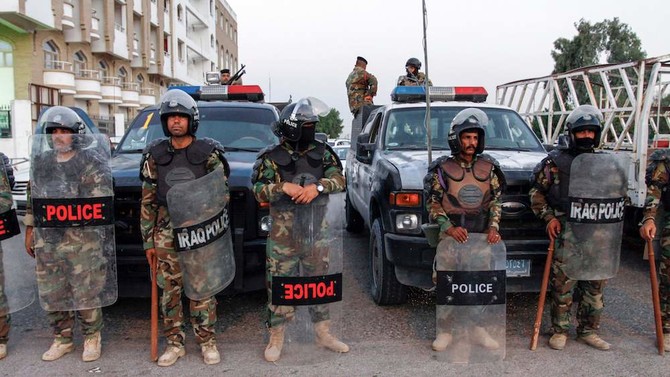
Iraqi security forces were placed on high alert after public facilities, including local government buildings, Najaf airport and oil sites were stormed by demonstrators.
The block on social media sites has prompted Iraqis to sign up to applications and programs that use VPNs to break the ban.
Iraq’s government has previously used Internet restrictions as part of security measures to prevent protests. It has also resorted to the tactic to prevent students from circulating exam questions and to reduce the circulation of security information.
But the latest block is the longest and most comprehensive of the past decade.
Most Iraqis view the shutdown as an attempt to suppress the protests and avoid scrutiny of the security services’ response.
Ahmed Saadawi, an internationally renowned Iraqi novelist, said he was using a proxy Internet server to avoid the ban and communicate with those outside Iraq.
“We are imprisoned because of government measures that have blocked social media sites, disrupted people’s interests, deprived protesters of the right to express opinions, and denied others the right to get information,” Saadawi wrote on hisFacebook page.
“I condemned the arbitrary measures being taken by the corrupt parties that want to continue to share power and profits without any objection to their work.”
Eight people have been killed and hundreds wounded in demonstrations which entered their 10th day on Tuesday.
Major campaigns were launched by security services in the past three days to arrest the organizers, advocates and journalists in Baghdad and the south “on charges of inciting people to sabotage the public institutions,” lawyers and security officials said.
Dozens of Iraqis who live abroad and in unaffected provinces have shared instructions on how to break the social media block and use applications to publish news, pictures and videos of the demonstrations.
Iraqis have also resorted to their well-tested humor in times of crisis by poking fun at the authorities.
“Thanks to the government Internet ban, I found out that my kid’s age is 6 not 4,” Hisham Ali wrote on Facebook. “Not just this, I found out that my family members are nice people and can be tolerated. I am happy.”