JEDDAH: The Saudi Wildlife Authority (SWA) has offered visitors to the 12th Souq Okaz festival the opportunity to be introduced to the Kingdom’s diverse wildlife and the resettlement of endangered species in reserves.
SWA has turned an area of the festival’s grounds into a mini-reserve for the Arabian oryx, which can survive the driest climates and most arid regions in the Arabian peninsula, explaining how it can be saved from extinction using the captive-reproduction method before resettling the species in its natural habitat.
The Arabian oryx featured at Souq Okaz can adapt well to hot climates found in deserts, semi-deserts, dry-grass plains and meadows, and areas of rocky slopes.
The white, wide-eyed animal is considered a bovid and a desert antelope.
In the mini-reserve, there is also an ostrich. The number of ostriches has grown inside reserves, owing to the improved environmental and climatic conditions as well as the management of wild ostrich groups.
Through photos and documentary films, SWA has also introduced the festival’s visitors to other animal species it seeks to save, including the houbara bustard, which lives in open arid areas. Overhunting causes the species’ declining number and the worsening of its natural habitat is due to overgrazing and agricultural development.
The Arabian leopard, the most common wildcat species still spread in mountainous areas, was also featured alongside several endangered Accipitriformes.
SWA has provided its corner’s visitors with information on the first studies conducted in several reserves through monitoring vegetation, which has grown steadily, encouraging SWA to move forward with its resettlement program, in addition to providing information on protecting animals inside reserves by surrounding them with fences to monitor their adaptation before releasing them into the wild.
SWA’s participation in this year’s Souq Okaz festival is in line with the recently issued royal order to establish a council of royal reserves as part of King Salman’s keenness to preserve the natural environment, vegetation, and wildlife, to promote ecotourism, limit hunting and overgrazing, to prevent forest erosion, and to ensure the enjoyment of natural reserves based on the regulations governing them.


![]()
![]()
![]()
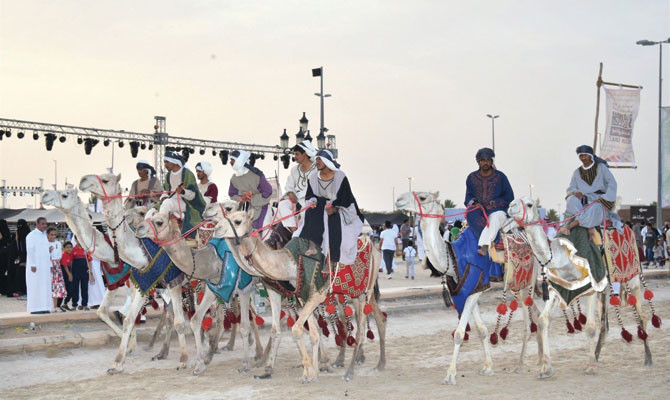
Souq Okaz visitors are introduced to Saudi wildlife


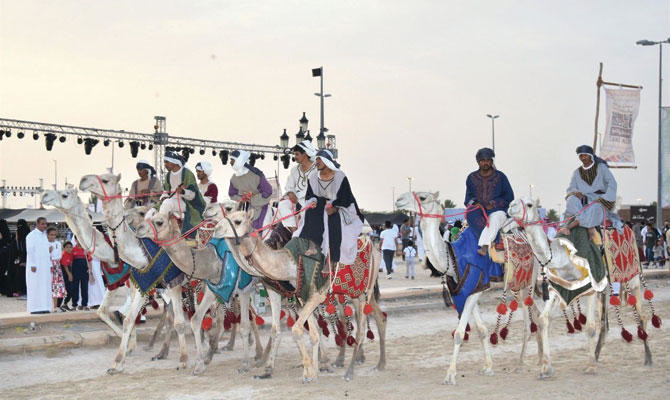
Souq Okaz visitors are introduced to Saudi wildlife
- The number of ostriches has grown inside reserves, owing to the improved environmental and climatic conditions as well as the management of wild ostrich groups
- The Arabian leopard, the most common wildcat species still spread in mountainous areas, was also featured alongside several endangered Accipitriformes

Latest updates


© 2026 SAUDI RESEARCH & PUBLISHING COMPANY, All Rights Reserved And subject to Terms of Use Agreement.