RIYADH: Scientific studies by researchers from the Saudi Wildlife Authority (SWA) show that a huge number of vulture deaths are a result of poisoning, which will eventually threaten the wildlife ecological balance.
In a study on how vultures are facing threats, Dr. Mohammed Shobrak from the SWA in Taif said that vultures were one of the most threatened families of birds in the world and their decline had been shockingly rapid.
Some species in Africa and the Indian subcontinent have declined by more than 95 percent in the past few decades, a rate faster than that of the passenger pigeon or the dodo.
The biggest driver of these declines is human impact, either by poisoning (intentional or otherwise) or from maltreatment. As a result many Old World, vultures are now critically endangered, meaning they are at risk of becoming extinct in our lifetime.
Shobrak said vultures were efficient scavengers vital in preventing the spread of disease — locating and picking clean carcasses before disease spores could develop — and that their demise would lead to economic, social and environmental problems.
In Saudi Arabia, studies by SWA researchers indicate that many vulture deaths are a result of poisoning.
Another reason for the deterioration in vulture numbers in the Kingdom and other parts of the world is pesticide spraying.
Vultures, despite their stomach’s ability to digest the tissue of an animal that has died as a result of viral or bacterial diseases, are vulnerable to toxic chemicals used in insect eradication.
Shobrak said that deaths of Griffon vultures have been recorded in Saudi Arabia in regions where pesticides are used to control populations of the desert locust.
“Other causes of deterioration are disturbances to nesting sites, especially those that nest in trees, like the lappet-faced vulture,” he said.
Nesting disturbances can affect the reproduction of these birds and may lead to a decrease in their numbers.
Another threat is poorly planned powerlines, wind farms and roads, which result in the deaths of thousands of vultures across Europe and Asia every year.
An SWA official told Arab News that vultures played an important role in cleansing the forests of dead animals, and their absence could lead to other problems in the environment and difficulty in maintaining the ecological balance in the wild.
He said that the SWA had been taking preventive measures to fight the decline of the birds through awareness programs, and by providing protected areas where they would not face human impact.


![]()
![]()
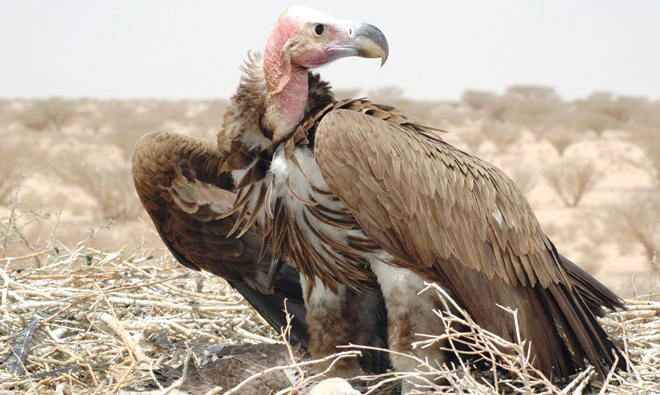
Saudi Wildlife Authority: Vulture population threatened by human impact
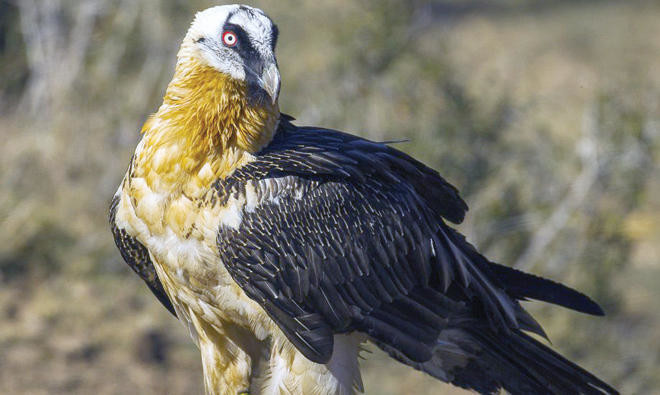
Saudi Wildlife Authority: Vulture population threatened by human impact


Latest updates



© 2026 SAUDI RESEARCH & PUBLISHING COMPANY, All Rights Reserved And subject to Terms of Use Agreement.