ISLAMABAD: Chinese food is a take-out favorite across the world, often portrayed in Western media as the go-to fare for a comforting night in while in Pakistan, Chinese food has long been popular.
And the capital is no different as Islamabad has long had a love affair with Chinese restaurants, many of them a fusion of traditional Chinese spiced up with a pinch of garam masala, serving up their dishes in the heart of the city’s shopping districts. Manchurian chicken, dry beef chilli and garlic fried rice are staples of Islamabad’s take-out and in-house dining scene, often finding their way into non-Chinese restaurants as well.
But there were always restaurants who rebelled against setting up in retail areas. These small, quiet, usually invite-only, exclusive eateries are typically tucked away in residential districts.
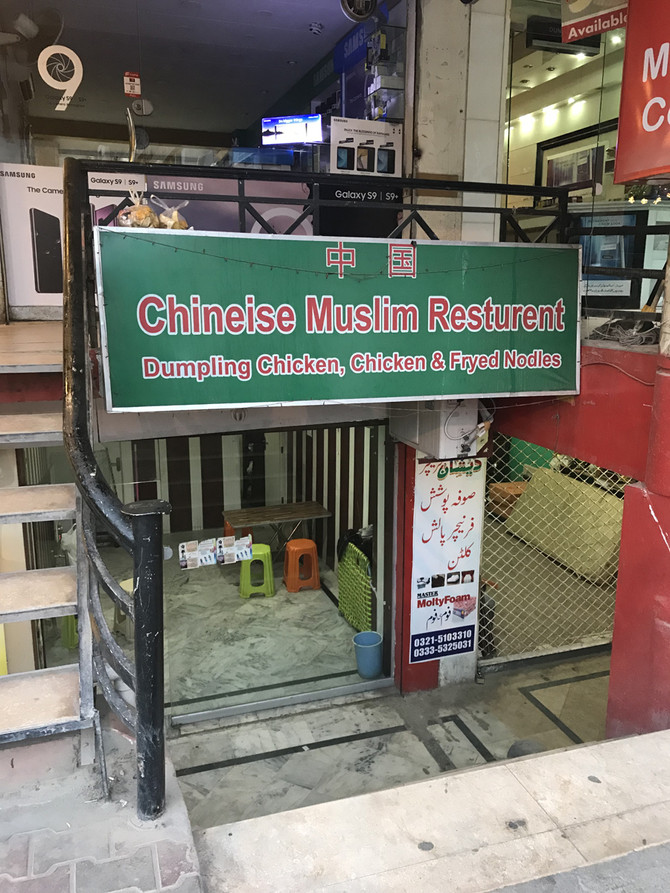
A new trend is for out in the open restaurants not serving the usual fare we associate as Chinese food here in the capital, offering pared back dishes that return to the old classics. Simple flavors easily recognizable by Chinese food enthusiasts, dim sum and broth-based noodles.
From F11 to F7 in Islamabad, new residents are arriving from China and opening up authentic Chinese restaurants with limited numbers of dishes on the menu, which keep it simple, adopting a strict approach to keeping the flavours true to their origins.
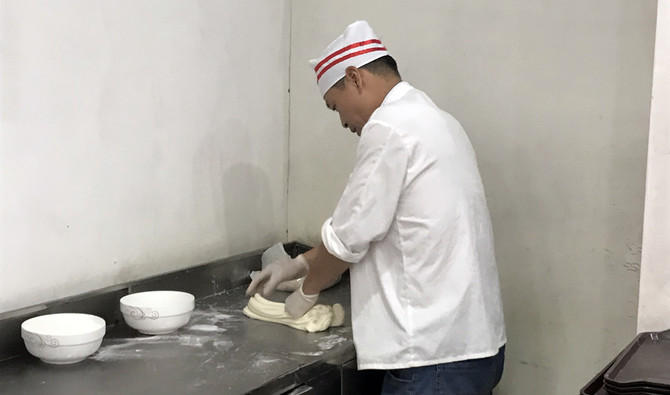
Chinese Pulled Noodles, which moved from a tiny shop in F11 Market to a slightly bigger one right next to Shaheen Chemist in the main part of the busy center shopping hub, opened a year ago when its owner moved here. Standing right outside the restaurant, facing the parking lot and any patrons running errands, the noodle chef expertly pulls noodles for the ramen.
The menu is straightforward with one having the option to point at images what it is they want to order, at Chinese Pulled Noodles the menu has only four dishes — different variants on their signature ramen.
Neither the owners, nor the chefs, spoke English or Urdu, but their waiting staff, who spoke Urdu, revealed that they were pleased with the reaction to the restaurant, which at midday was packed with Pakistanis and Chinese.
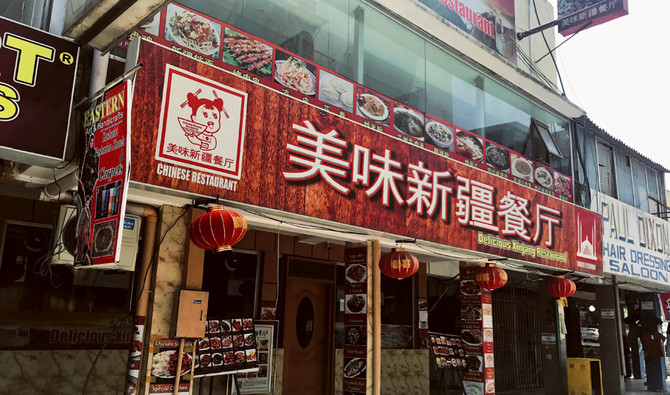
F7’s Jinnah Market probably has the biggest saturation of these new additions to the food industry. With Zhong Hua La-Mian, Delicious Xinjang Restaurant and Hua Xia Qing all operating in different corners of the shopping hub. Hua Xia Qing also sits just a floor away from Firstop, a Chinese market selling goods, products and groceries imported from China.
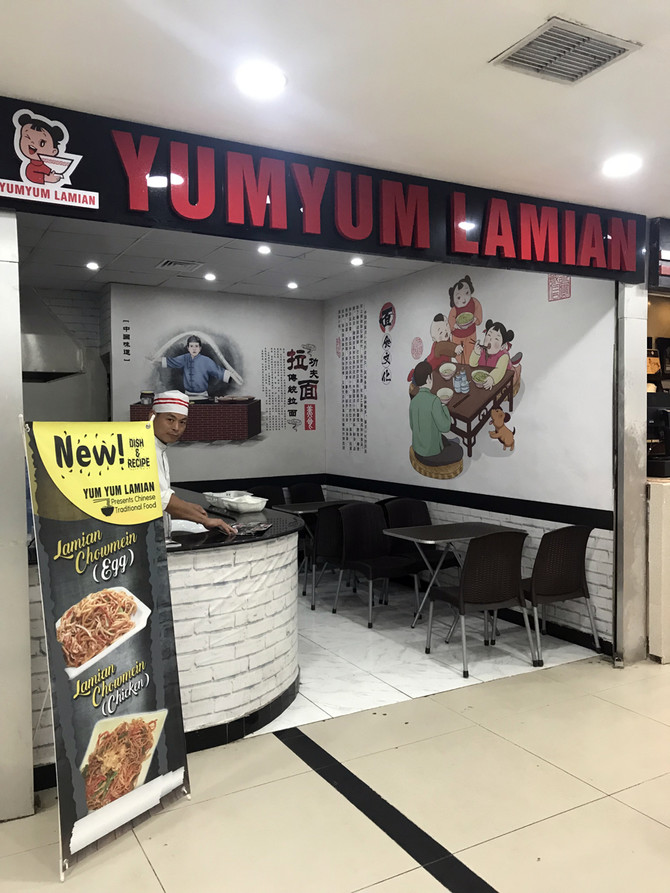
Yum Yum Lamian in Safa Gold Mall, has developed a cult following with professionals from surrounding offices making it their go-to during lunch breaks. The tiny shop within the food court offers a small menu of noodle-based dishes, with ramen a favorite.
A patron standing at the shop, Amna, said she comes a few times a week. “These shops popping up is a good thing, we may be able to compete with Lahore and Karachi when it comes to food now.”


![]()
![]()
![]()
![]()
![]()
![]()

Back to Beijing as Chinese food returns to its roots

Back to Beijing as Chinese food returns to its roots
- Every Markaz is offering tastes of the real China as new restaurants in the capital and Lahore abandon fusion cuisine.
- The tiny shop within the food court offers a small menu of noodle-based dishes, with ramen a favorite.
Latest updates


© 2026 SAUDI RESEARCH & PUBLISHING COMPANY, All Rights Reserved And subject to Terms of Use Agreement.