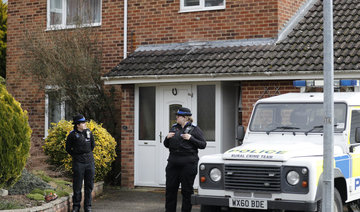
The nerve-agent attack on the former Russian spy Sergei Skripal and his daughter Yulia in the UK city of Salisbury this year has thrust the diaspora of super-rich Russians into the spotlight again, with more tales of their astonishing extravagance filling the international press.
Many wealthy Russian exiles have ties to President Vladimir Putin, and in the wake of the Salisbury attack the UK government has pledged to crackdown on oligarchs in the British capital who remain closely aligned with Moscow.
First published in 2010, Londongrad, by Mark Hollingsworth and Stewart Lansley, serves as a useful reminder that the problem of the oligarchs has been around for years. The book explains how they hustled to make their fortunes in Russia’s hopelessly mismanaged privatization of state industries, following the collapse of the Soviet Union. It also examines why the oligarchs are drawn to spend their fortunes in London, listing the properties, yachts and jewels they deem essential to their lives. The book argues that Putin is so popular in Russia because he makes a show of punishing some dissident oligarchs for their avarice, which goes down well with the public. The oligarchs who support him, however, are often left untouched.