Height of adventure: Treading the ‘Edge of the World’ near Riyadh

1 / 4
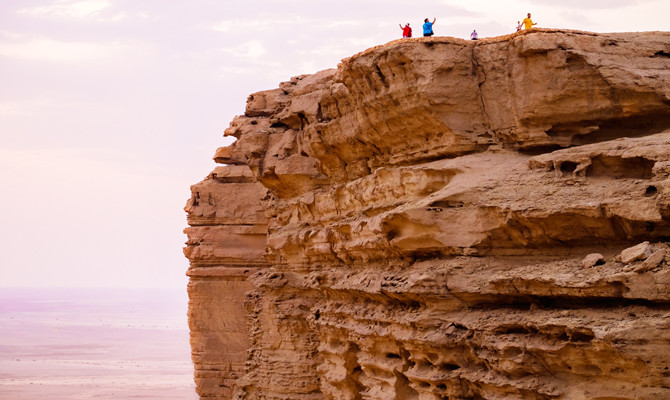
A man enjoys climbing in the area known as ‘Edge of the World’ outside Riyadh. Flicker
2 / 4
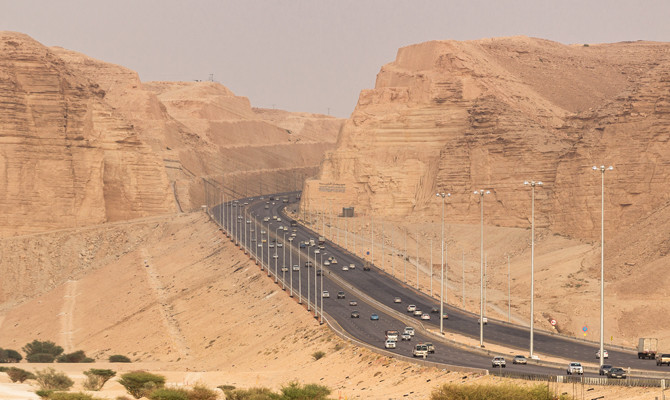
A beautiful view of the valley. Getty Images/Shutterstock
3 / 4
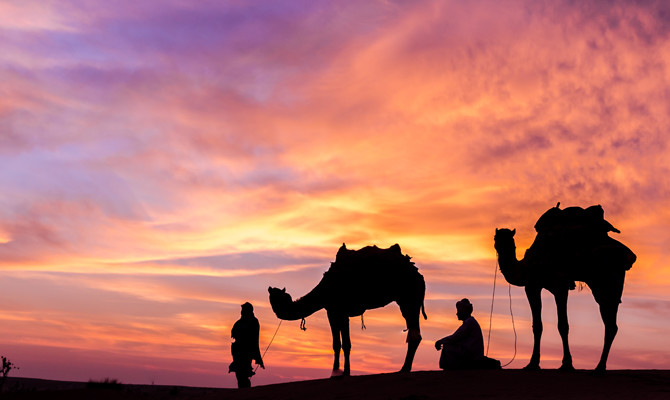
Camel-riding in the desert
4 / 4
Updated 19 April 2018
Follow

Height of adventure: Treading the ‘Edge of the World’ near Riyadh

  • Cliffs in Tuwaiq were formed as a result of the movement of the Arabian plate toward the northeast because of the spread of the Red Sea rift
  • Several prominent Saudi tour companies offer daylong excursions to the site

Thrill seekers and fitness gurus all over the Kingdom will be pleased to know that their choices for weekend activities have increased. 

Several tour operators in Riyadh have started offering trips to the area known as the Edge of the World, making the location more accessible than ever.

With the country’s obesity rates on the rise and many citizens growing more concerned about their physical health and stress levels, people are seeking ways to maintain their fitness without having to restrict themselves to the monotony of a gym routine.

One such solution that has steadily increased in popularity over the past year is hiking, which many have embraced as being much more exciting and fulfilling than spending hours on the treadmill. And most popular of all for hiking and other fitness activities in a natural setting is the magnificent landmark of Jabal Fihrayn, more commonly known as the Edge of the World.

Described as a “window framed by rock,” the Edge of the World offers stunning views of the valley below, a lush grove of acacia trees teeming with wildlife and vegetation. The spot is well-known for being a favorite of visiting picnickers.

Hikers can choose from several trails of varying levels of difficulty, making their way to the top of the Tuwaiq escarpment to take in the magnificent views at the top of the trail, where the colossal cliff faces drop off to reveal the dizzying height from the valley below. In addition to the rich wildlife unique to the location, you can also find samples of fossilized coral and raw mineral deposits in certain areas of the valley.
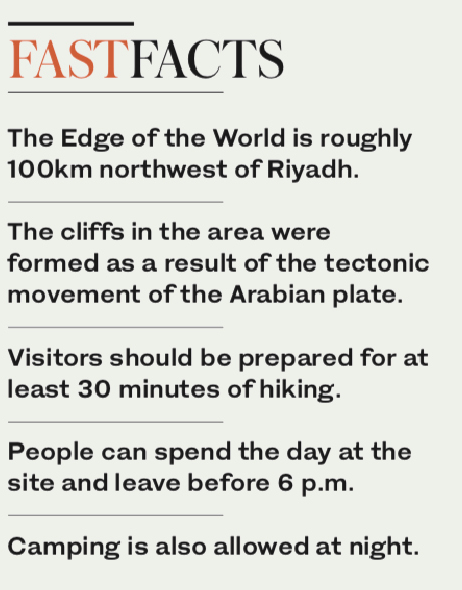
The cliffs in the areas were formed as a result of the tectonic movement of the Arabian plate toward the northeast because of the spread of the Red Sea rift situated 1,000 km to the west of Tuwaiq.

Due to the increasing popularity of the site, the authorities have built a hardtop that leads to the gates of the sites and arrangements are in place to protect the area and its natural treasures. 

Several prominent Saudi tour companies offer daylong excursions to the site. The more intrepid explorer also has the option to go alone; though past visitors recommend that solo travelers take an all-terrain, 4x4 vehicle and extra precaution. Visitors can spend the day at the site and leave before 6 p.m. (when the gates are closed for the night) or stay behind for a night of camping to enjoy the sunset and the breathtaking celestial views of a star-studded night sky.

Nora Alfard, amateur hiking enthusiast and two-time visitor to the location, was quick to offer praise about her trip. 

“The trip out there was a bit tiring, but totally worth it,” she said. “The views are stunning, and the hiking itself is not that difficult. Most people should be able to make it to the top without too much trouble.” She said she was likely to go a third time, and encouraged others to do the same.

The Edge of the World is roughly 100km northwest of Riyadh, about 1.5 hours’ drive from the capital. Visitors should be prepared for at least 30 minutes of hiking, possibly more depending on your trail and your level of fitness and experience. Previous visitors recommend bringing water and snacks, and stress the importance of dressing appropriately — hiking shoes only!

Decoder

What is hiking?

Hiking means a long, vigorous walk, usually on trails in the countryside. Day hikers generally carry at least food, a map or a GPS navigation device.


No peace in region without two-state solution: French envoy in Riyadh

Updated 7 sec ago
Follow

No peace in region without two-state solution: French envoy in Riyadh

  • Patrick Maisonnave affirms support for Saudi-led efforts in Yemen, emphasizes diplomacy, humanitarian aid, and long-term stability
  • Maisonnave said that there are ongoing discussions within the EU regarding designating the Houthis as a Foreign Terrorist Organization

RIYADH: As Saudi-French bilateral ties grow both politically and culturally, French Ambassador to Saudi Arabia Patrick Maisonnave sat down with Arab News to discuss the two nations’ roles at a time when the global stage is falling into deeper disarray.

The ambassador shared his thoughts on the situation in Gaza, reaffirming France’s support for a two-state solution. “I believe there is clearly no alternative to the two-state solution,” he said.

The envoy added: “In the current conditions, it may seem out of reach. But if we consider the medium and long term, there will be no coexistence, no regional stability, and no peace in that region without a two-state solution.”

Although the steps needed for international players to move from declaration to implementation were not outlined, Maisonnave asserted that a path must be taken — a strong demand he shares with the Kingdom.

When asked what his thoughts were on the EU’s level of engagement with the conflict in Yemen, the ambassador underlined that the EU and its member states remain key contributors to humanitarian efforts, continuing to provide funding and support for relief operations.

Despite ongoing diplomatic efforts, the situation in Yemen remains “serious and demanding,” he said, pointing to the scale of needs on the ground.

Maisonnave’s remarks align with broader EU policy, which has focused on increasing humanitarian aid through multi-million-euro funding packages aimed at providing food, healthcare, clean water, and sanitation to vulnerable Yemenis.

The EU has additionally expressed its support for diplomatic and political efforts to achieve a peaceful resolution to the conflict, but progress toward a comprehensive peace agreement in coordination with the UN and its regional partners has been slow.

“It is also very clear to (France) that for Saudi Arabia, this issue is one of stability and security. We fully support the efforts undertaken by Saudi Arabia to restore peace and stability in Yemen,” the envoy said.

Maisonnave also shared that there are ongoing discussions within the EU regarding designating the Houthis as a Foreign Terrorist Organization, as the US, Saudi Arabia, Canada, the UK, and New Zealand already have.

Finally, reflecting on years of strong relations between France and Saudi Arabia, amplified by recent accelerated growth, the envoy gave much credit to President Emmanuel Macron’s visit to the Kingdom in December 2024 and the strategic partnerships born from it.

“Since then, many efforts have been undertaken across a wide range of fields to deepen cooperation — economic, defense, culture, and more,” Maisonnave said.

Nearly eight years ago, in April 2018, Saudi Arabia and France signed a landmark intergovernmental agreement to cooperate on the sustainable development of the AlUla region.

This agreement launched a long-term strategic partnership, which included the creation of the French Agency for AlUla Development to support the Royal Commission of AlUla in transforming the site into a global cultural and tourism destination.

“In the coming days, we will inaugurate a major cultural exhibition by the Centre Pompidou in AlUla, which I believe will be very successful.

“Beyond AlUla, we also have many exhibitions across the Kingdom.”

Recently, the French Institute in Saudi Arabia, in collaboration with Riyadh Art, launched La Fabrique in the JAX District, a Saudi-French artistic space for creatives to collaborate, exchange ideas, and develop joint exhibitions and programs.

Designed as an open laboratory as well as a living museum, La Fabrique opened on Jan. 22 and will run until Feb. 14.