London: Abu Dhabi’s top addresses on Saadiyat Island have shed more than a quarter of their value since 2015 new research has found.
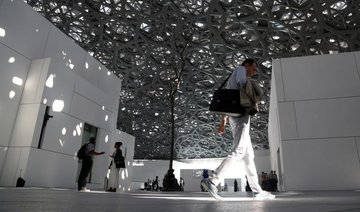
Despite the opening of the Louvre on the island in November, prices remain under pressure according to Cluttons even as the sider market shows signs of stabilization.
Sea-facing villas on Saadiyat Island, which are some of the most expensive in the emirate at 1,700 dirhams ($463) per square foot, have seen no movement in prices for the past two consecutive quarters, Cluttons found.
The cost of buying the luxury Saadiyat properties had fallen significantly since 2015, with prices dropping by an average of 26.1 percent, Cluttons said, as the emirate’s economy faltered due to declining oil prices.
Faisal Durrani, head of research at Cluttons, said confidence in the economy is starting to return, encouraging buyers to invest in property again.
“2018 looks set to be a better year for the UAE economy as a whole, with GDP expected to expand by 2.6 percent, from a seven year low growth rate of 1.7 percent last year. This is, in turn, expected to help support more stable rates of job creation and increased government spending as confidence levels improve,” he said.
He added that news at the end of last year that the national oil company Adnoc was planning to spend 400 billion dirhams over the next five years to boost growth is likely to further bolster economic growth.
Edward Carnegy, head of Cluttons Abu Dhabi, said the stabilization of prices is likely to continue this year. “In fact, we have noted a marginal uptick in demand from Emirati buyers predominantly, looking for second homes, or expanding their buy-to-let investment portfolios on Saadiyat Island,” he said.
Other property experts are also noting that the market is beginning to stablize.
Taimur Khan, senior analyst at Knight Frank said: “The short term trends seems to be that the residential market is improving but we are still very likely to see further price falls across the market in 2018. Economic activity in the capital is beginning to recover both in the oil and non-oil sector and this may help spur demand and support the market somewhat.”
Rents across Abu Dhabi’s residential areas have decreased by 2.3 percent in the first quarter of this year, marking a slower rate of decline that the 4.3 percent drop during the final quarter of 2017.
This means rents are 11.5 percent lower than this time last year.
The Cluttons report said that the continued decline in rents reflects some lingering concerns among tenants about potential job losses coupled with the rising cost of living. The introduction of value-added tac (VAT) at the beginning of the year and the increase in inflation, has placed additional pressure of household budgets.
Tenants are more likely to attempt to negotiate more favorable rates with their landlords, said Carnegy.
“As a result, tenants are negotiating reductions at renewal, while landlords are increasingly receptive to meeting the expectations of tenants by agreeing to close deals below headline asking rates, and they are offering flexible rental payments in multiple cheques to attract tenants as well as other incentives such as zero commission payable and rent free,” he said.


![]()

Abu Dhabi Saadiyat pads need more than Louvre opening to lift prices
Abu Dhabi Saadiyat pads need more than Louvre opening to lift prices
- Despite the opening of the Louvre on Saadiyat Island in November, prices remain under pressure according to Cluttons even as the sider market shows signs of stabilization.
- The cost of buying the luxury Saadiyat properties had fallen significantly since 2015, with prices dropping by an average of 26.1 percent.

Latest updates





© 2026 SAUDI RESEARCH & PUBLISHING COMPANY, All Rights Reserved And subject to Terms of Use Agreement.