ABU DHABI: The Louvre Abu Dhabi said Monday it has replaced a map of the Arabian Peninsula that omitted Qatar, embroiled in a months-long diplomatic dispute with its Gulf neighbors.
The museum said the map was an “oversight” that had been rectified.
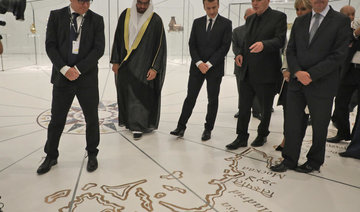
The map, one of several aiming at placing exhibits in their geographical context, was located in the children’s section of the museum.
The error was pointed out on January 19 by Qatar’s museums head, Al Mayassa Al-Thani, who retweeted a picture of the map showing Bahrain and the Gulf coast with blank sea in the place of Qatar.
“Although the notion of museums is a new one to Abu Dhabi, surely the @MuseeLouvre is not okay with this?” she wrote.
The following day, Emirati foreign minister Anwar Gargash said he had been “mystified” by Al-Thani’s tweet, which “blew a slight oversight out of proportion.”
“Culture is superior to such trifles,” he added.
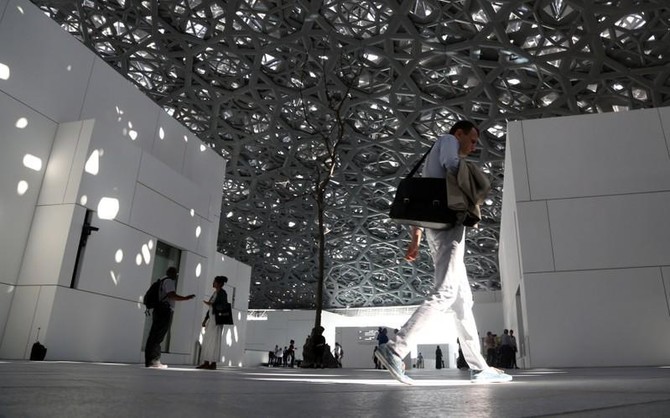
The Louvre Abu Dhabi was inaugurated in November by French President Emmanuel Macron and Abu Dhabi’s Crown Prince Mohammed bin Zayed Al-Nahyan.
It was marketed as “a universal museum” celebrating cultural exchange and tolerance.
The UAE and Qatar have long had sour relations, but they worsened last year when Saudi Arabia, the UAE, Bahrain and Egypt in June cut all ties with Doha, including land, sea and air links.
They accused the tiny, gas-rich state of ties to Islamic extremists and being too close to Shiite Iran.
Doha rejected the accusations and accused the states of seeking to take over its foreign policy.


![]()
Louvre Abu Dhabi replaces Gulf map that omitted Qatar
Louvre Abu Dhabi replaces Gulf map that omitted Qatar
Related


Latest updates


© 2026 SAUDI RESEARCH & PUBLISHING COMPANY, All Rights Reserved And subject to Terms of Use Agreement.