QUETTA: Gunmen riding on motorcycles carried out two separate attacks in the Pakistani city of Quetta on Monday, killing five Muslims in one shooting and four members of a Christian family in the other, police said.
Abdul Qadeer, a local police chief, said the attacks were apparently unrelated. It was unclear who was behind the attacks in Quetta, which is home to ethnic Baluch separatists as well as Islamic militants.
Earlier Monday, Pakistan’s army chief Gen. Qamar Javed Bajwa confirmed death sentences for 10 convicted militants, including the killer of a well-known Sufi singer, according to a military statement.
The military courts found the “terrorists” guilty of taking part in separate attacks that killed 62 people, it said.
The trials are closed to the public, but defendants are allowed to hire lawyers.
One of those whose sentence was confirmed was found guilty of a 2016 attack in Karachi that killed Amjad Sabri. He and his late father, Ghulam Farid Sabri, were renowned qawwali singers, a style of music rooted in Islamic mysticism.
Pakistan resumed military trials for convicted terrorists and lifted a moratorium on the death penalty after a 2014 attack on a school in Peshawar that killed more than 150 people, mostly young students.


![]()
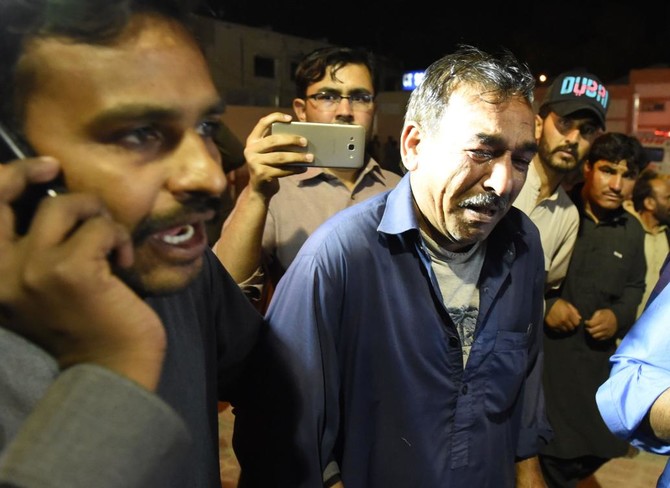
Gunmen kill 9 in separate attacks in Pakistan’s Quetta
Gunmen kill 9 in separate attacks in Pakistan’s Quetta
- Five Muslims, in one shooting and four members of a Christian family in the other, police said.
- Five Muslims, four members of a Christian family were killed in separate attacks.

Latest updates


© 2026 SAUDI RESEARCH & PUBLISHING COMPANY, All Rights Reserved And subject to Terms of Use Agreement.