JEDDAH: The Human Rights Commission in Saudi Arabia has said in a report that no fair observer can deny the recent empowerment of women in Saudi Arabia.
Women’s rights are stressed in the Basic Law of Governance, which prohibits discrimination against women and many other regulations contain provisions prohibiting all forms of discrimination.
Many criminal laws contain provisions providing for increased punishment when the victim is a woman, such as anti-trafficking laws, and participation in political and public life is a right available to every citizen in the Kingdom. A minimum of 20 percent of the seats in the Shoura Council have been allocated to women and the laws of the Kingdom have no provisions preventing women from holding senior positions.
The commission’s report stated that the labor system includes provisions to equalize rights and duties between men and women. The decision of the Minister of Labor No. (1/2370) dated 28/8/2010 prevent “any discrimination in wages between male and female workers.”
The Kingdom’s regulations guarantee maternity protection, especially in the workplace. The civil service system prohibits dismissal for any reason related to marriage or maternity.
The report added that Saudi systems offer women the opportunity to represent their government at regional and international levels, and there are no rules requesting the presence of a mahram (male guardian) for women to practice their legal, educational and other rights.
The report added that a judicial principle in 2013 gives women the right to divorce their husbands if they can not bear living with them. The Kingdom’s endorsement of the Convention on the Elimination of All Forms of Discrimination against Women gives them even more power.
The Commission’s report stressed that the issuance of the system of protection against abuse, which was prepared by a civil society institution, is a guarantee that contributes to stopping all forms of violence against women.
The Kingdoms education system is based on equality between men and women at all stages. The rate of illiteracy in the Kingdom 25 years ago was 60 percent, with women forming the majority of illiterate Saudis. This rate fell to just 5.31 percent in 2015.
The right to health care is one of the rights guaranteed by the Basic Law of Government. Article 27 of the law states that health care should be offered equally to men and women.
Saudi Vision 2030 states that women form an important component of the country's strength, accounting for more than 50 percent of the number of university graduates, and that work continues to develop their talents and enable them to have the opportunities to build their future and contribute to the development of society and the economy.


![]()
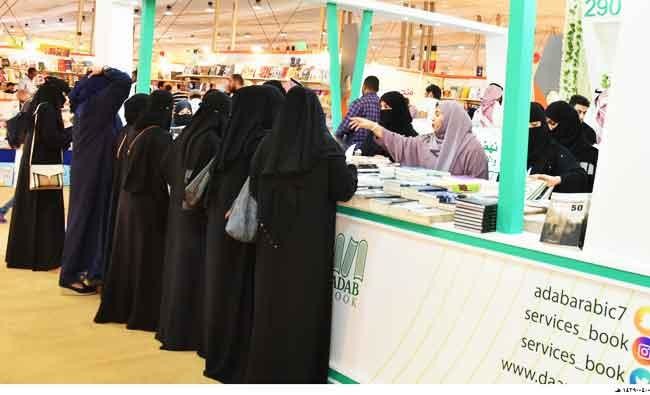
Human Rights Commission: Saudi Arabia supports women
Human Rights Commission: Saudi Arabia supports women


Latest updates


© 2026 SAUDI RESEARCH & PUBLISHING COMPANY, All Rights Reserved And subject to Terms of Use Agreement.