ATHENS/ANKARA: Greece complained to Turkey on Tuesday that a Turkish vessel had collided with a Greek coast guard boat off disputed islets in the Aegean Sea, but Turkey denied the Turkish ship was at fault.
The Greek coast guard said in a statement that the incident took place off Imia, known as Kardak in Turkish, at about midnight on Monday.
A Turkish patrol vessel “made some risky maneuvers” striking the left side of the Greek coast guard vessel patrolling the area, and damaging it. There were no injuries, the coast guard said.
Turkey and Greece, NATO allies, have been at odds over a host of issues from ethnically split Cyprus to sovereignty over airspace and overflights.
They came to the brink of war in 1996 in a sovereignty dispute over the islets, but tensions have eased since.
“Dangerous incidents, such as this one, which put human lives in danger, are the result of the escalating and provocative behavior shown increasingly by Turkey in recent days,” the ministry said in a statement.
“Turkey must end the violations of international law and acts that do not contribute in the development of the two countries’ relations.”
Turkey’s ambassador to Athens was also called at the foreign ministry, it said in the statement.
Turkey’s Foreign Ministry denied the Turkish vessel was at fault. It said the Greek statement misled Greece’s own public and that it distorted the truth “as always.”
It said Ankara had in fact contacted Athens regarding the “dangerous maneuvers” by the Greek coast guard, and informed them that Turkey “would not tolerate continuing hostile behavior by the Greek armed forces.”
Tensions between the two countries have been on the rise since a Greek court blocked the extradition of eight Turkish soldiers Ankara accuses of involvement in a failed coup against President Tayyip Erdogan in 2016.


![]()
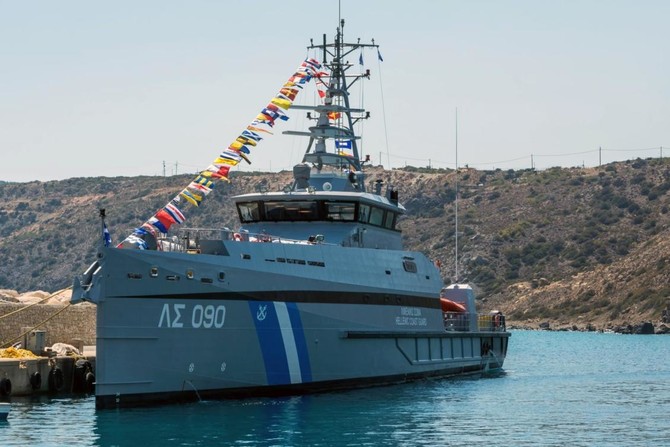
Greece protests to Turkey over boat incident, Ankara denies fault
Greece protests to Turkey over boat incident, Ankara denies fault


Latest updates


© 2026 SAUDI RESEARCH & PUBLISHING COMPANY, All Rights Reserved And subject to Terms of Use Agreement.