LAHORE: The government of Punjab will not relax its ban on the Hindu spring festival of Basant Panchami and its related kite-flying festival this year, according to official spokesperson Malik Mohammed Ahmad Khan.
“There is a complete ban on ‘Basant’ and Chief Minister Mian Shahbaz Sharif has categorically stated that any violation will not be tolerated. If it is flouted in any part of the province, the police in that area would be taken to task,” Khan told Arab News.
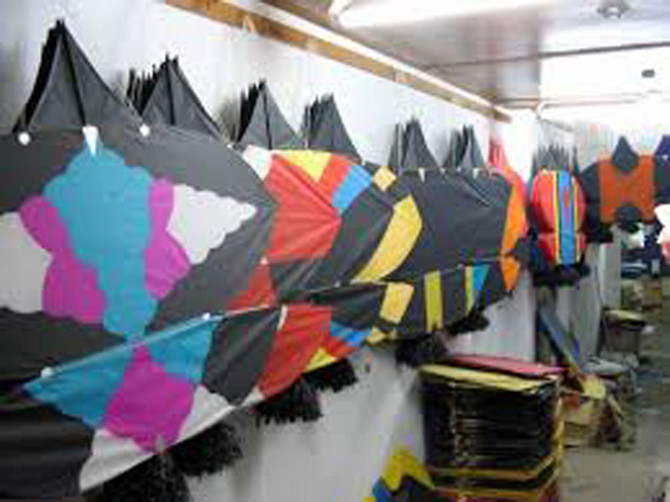
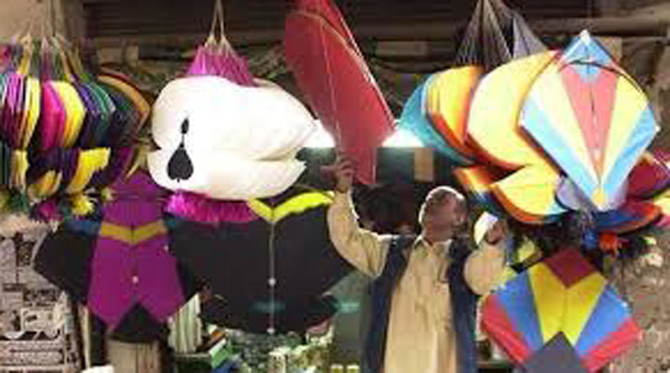
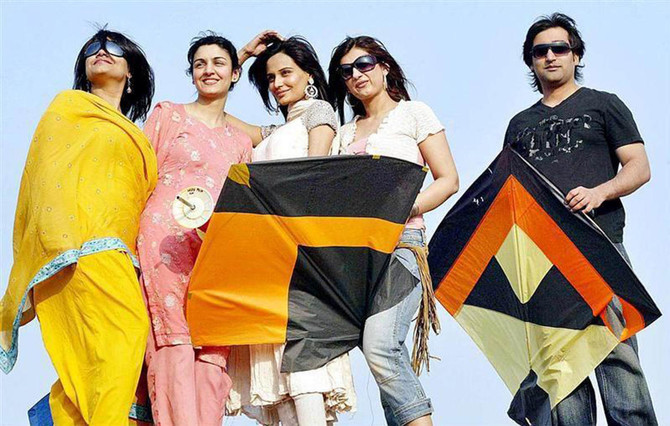
Basant is celebrated in many parts of the country. Punjab, in particular, both in Pakistan and India, has a long tradition of marking the commencement of spring in a festive manner. Colorful homemade kites are raised high in the sky, and streets and rooftops are covered with the bright colors of kite flyers dressed in traditional attire.
The Pakistani government’s website describes Basant as “not only a kite flying event, but a cultural festival of traditional food, dresses, dances and music.”
However, due to several fatalities linked to the use of chemical-coated metal twine on the kites, the Supreme Court of Pakistan banned the activity in 2004.
That ban has been lifted twice in the years since. However, there were further deaths and a complete ban has been imposed across the province since 2007.
There have been several protests demanding permission to celebrate Basant in 2018, but authorities show no sign of offering any concessions.
Khawaja Nadeem Waien, president of the Kite Flying Association of Pakistan, told Arab News: “It is a cultural event that has observed for centuries in India and Pakistan. It is a festival to welcome spring. Kite flying is our culture and the government must allow us to observe this event.”
The festival was traditionally a useful source of income for Lahore.
People traveled from other cities or even from abroad to attend. The city’s hotels, guest houses and private lodges were packed with visitors. Some five-star hotels would arrange their own events on their rooftops, with live music and lavish dinners.
Now, residents say the ban has left a large chunk of the community unemployed.
“Several shops have shut down; kite-makers and string-makers went out of work due to the ban on kite flying,” Ali Mohammed, a veteran of the kite business, told Arab News. “Almost 25,000 people related to this business are suffering from the ban.”
“The government must lift the ban and allow us to earn bread and butter for our families,” he said.
Punjab Minister for Law and Parliamentary Affairs, Rana Sanaullah, said: “The government can allow Basant if the (Kite Flying) Association takes responsibility for the precious lives of the masses. If a life is lost because of the chemical-coated string, the association’s office bearers would be booked under the law.”
Shehbaz Sharif recently backed up Malik Khan’s claim that district police would take the blame for any violations of the band when he tweeted: “Complete BAN on Basant. No one can be allowed to play with the lives of ppl.. concerned DPO will b responsible for any violation of ban.”


![]()
![]()
![]()
![]()
![]()
![]()
![]()
![]()
![]()
![]()
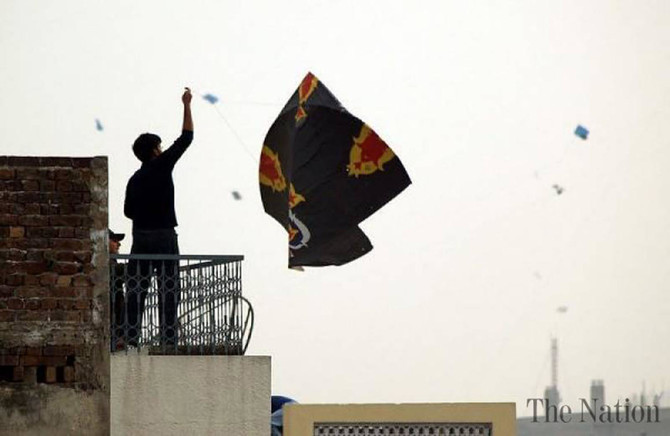
Punjab government says no to Basant Festival





Punjab government says no to Basant Festival
Latest updates


© 2026 SAUDI RESEARCH & PUBLISHING COMPANY, All Rights Reserved And subject to Terms of Use Agreement.