LONDON: Europe will soon experience a gas shortage and price spike if it tries to rely on US gas imports to cover rising demand instead of increasing purchases from Russia, Kremlin energy giant Gazprom told Reuters.
The Trump administration has said it intends to level the playing field in energy markets by offering US gas to Europe and Asia, citing a need to reduce what it calls the market-distorting power of actors such as Russia and OPEC.
Russian gas supplies to Europe have become increasingly politicized since Moscow cut supplies to Ukraine in the last decade amid pricing disputes and after Russia annexed Crimea from Ukraine in 2014.
The West has accused Russia of using gas as a political weapon. Moscow has responded by blaming the West for blocking its new pipeline projects for political rather than economic reasons.
The warning about a possible supply crunch comes as Gazprom prepares to start large-scale deliveries to China in a move reminiscent of Russia’s oil strategy, under which Moscow became a major supplier to Beijing at the expense of Europe.
Gazprom’s deputy head Alexander Medvedev said the company would have enough supplies for both Europe and Asia but that it was time for Europe to decide from where it should source gas.
“Europe completely miscalculated when they assumed that they won’t need much additional gas and if they need some it can be supplied from outside Russia,” Medvedev, who looks after exports for the world’s top gas producer and exporter, said.
Gazprom’s exports jumped 8 percent last year to an all-time high of 194 billion cubic meters on higher demand and lower prices, giving it a record share in Europe of 35 percent.
Medvedev said the share could rise above 40 percent over time as Europe’s gas demand rises, production in the Netherlands and Britain falls and Norway’s output growth should slow after 2025. US supplies will remain modest, expensive and would mainly go to Asia.
“Many serious analysts will come up with a model for you showing that Europe will soon face a major gas crunch and, what is worse — a steep rise in prices,” Medvedev said.
“Regarding calls about the need to cut reliance on Russian gas, should we in Russia be speaking about an over-reliance on money from one continent? Like from the dollar or euro? What it all means in fact is that we are mutually dependent.”
Gazprom will begin pipeline supplies to China next year. The company wants to take at least a one-tenth market share there by 2025, when it builds another major route.
“We can supply as much gas as needed to Europe even though we are entering a new market in China. But Europe needs to decide now. They need to start thinking right now about who will cover additional demand after 2025. Unfortunately there is no energy dialogue between Russia and the EU,” Medvedev said.


![]()
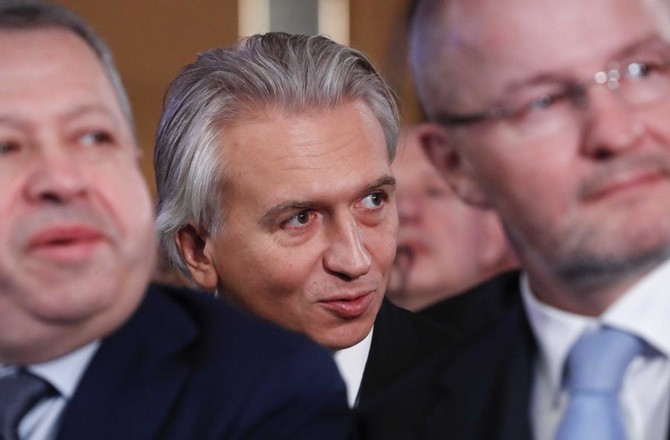
Gazprom warns Europe of gas shortage without increased Russian imports
Gazprom warns Europe of gas shortage without increased Russian imports


Latest updates


© 2026 SAUDI RESEARCH & PUBLISHING COMPANY, All Rights Reserved And subject to Terms of Use Agreement.