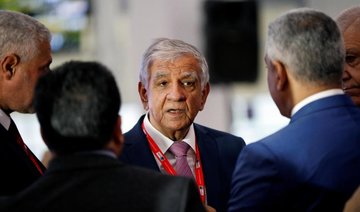
BASRA, Iraq: Iraq plans to increase production at its giant Majnoon oilfield to 450,000 barrels per day (bpd) in three years, from 240,000 bpd now, an Iraqi oil executive said on Thursday.
State-owned Basra Oil Company is currently studying offers from three oilfield services companies to build a new production platform to boost output at the field in southern Iraq, Ahmed Abdul Razzaq, the head of a committee in charge of developing the field, told Reuters.
Basra Oil is taking over operations at Majnoon from Royal Dutch Shell, which announced its intention to exit the field, which entered production in 2014, by the end of June.
Chevron, Total and PetroChina may form a consortium later on to take over the development of the field, Iraqi oil minister Jabar Al-Luaibi said in November. Shell said it would focus its efforts on the development and growth of the Basra Gas Company after handing over operations at Majnoon to the Iraqi government.
Basra Gas Company processes natural gas produced alongside crude oil from the southern fields. It is a joint venture between Shell, Iraqi state-owned South Gas Company, Mitsubishi and the Petrochemical Project NEBRAS.
With an output of 4.36 million bpd in January, Iraq is the second-largest producer of the Organization of the Petroleum Exporting Countries (OPEC), after Saudi Arabia.
The country is producing below its maximum capacity of nearly 5 million bpd under an agreement between OPEC and other exporters including Russia to curtail global supply in order to support oil prices.

Iraq plans to boost Majnoon oilfield output
Free trade negotiations between GCC, India mark new phase of partnership, says sec-gen
RIYADH: The Gulf Cooperation Council’s secretary-general affirmed that the negotiations for a free trade agreement between the GCC and India, and the signing of the joint statement, represents a new phase of strategic partnership.
Jasem Mohamed Al-Budaiwi said that this contributes to enhancing close cooperation and strengthening economic and trade ties, according to the Saudi Press Agency.
This came during the signing ceremony of the joint statement on launching the free trade agreement negotiations between the Al-Budaiwi and India’s Minister of Commerce and Industry, Piyush Goyal, which took place in New Delhi, on Tuesday.
During the signing ceremony, Al-Budaiwi said that the Terms of Reference, signed on Feb. 5, provide a comprehensive and clear framework for these negotiations. The two nations agreed to discuss enhancing cooperation in vital strategic areas, including trade in goods, customs procedures, and services.
Additionally, the framework covers Sanitary and Phytosanitary measures, intellectual property rights, cooperation on Micro, Small, and Medium Enterprises, along with other topics of mutual interest. This reflects the comprehensive nature of the agreement and its ability to keep pace with the future economy.
Al-Budaiwi expressed hope that these negotiations would lead to a comprehensive and ambitious free trade agreement that works to remove customs and non-customs barriers, enhance the flow of quality investments in both directions, and achieve further liberalization in trade and investment cooperation between the GCC and India for mutual benefit.
This would provide a stimulating economic environment and an investment climate that opens broad horizons for the business sector, supports supply chains, and accelerates the pace of economic growth in line with the ambitious developmental visions of the GCC states.
The top official affirmed the full readiness of the General Secretariat to host the first round of negotiations at its headquarters in Riyadh during the second half of this year.
The two sides held a meeting during which they reviewed the existing cooperation relations between the GCC and India and discussed ways to develop and elevate them to broader horizons, serving mutual interests and enhancing opportunities for strategic partnership between the two sides, particularly in the economic, investment, and trade fields.
They praised the role undertaken by the negotiating teams from both sides, appreciating the efforts contributing to reaching a comprehensive agreement that enhances economic integration and supports the smooth flow of trade between the two nations.