JEDDAH: Saudi Arabia last week decided to implement a ban on the import of foreign bees in the next three years.
Minister of Environment, Water and Agriculture Abdul Rahman Al-Fadli acted against threats that imported bees pose to the local strain.
Beekeepers are threatened by many problems that imported bees bring with them. One of the biggest risks is cross-breeding. If the imported bees are bred with local bees, they will stain the purity.
The beekeepers are afraid that if the cross-breeding continues, the original breed might become extinct.
The Saudi Apis mellifera jemenitica is a breed that can survive in the extreme climatic conditions of Saudi Arabia, which many bees aren’t able to, and produce high-quality honey. They are smaller, slender and yellow in color.
It isn’t just the genetic manipulation; the imported bees attack local bees.
They are also the carriers of diseases that contaminate local bees and cause great loss; beekeepers do not just find a few dead bees when disease spreads — they find hive upon hive empty.
Beekeepers took these problems to the minister of environment and agriculture. The minister held a meeting with the president of Nahali Makkah Society and came up with the solution of entirely banning the import to preserve the bees and prevent extinction.
Consequently, fewer bees will produce less honey, so less honey will be available for selling locally or internationally, which might cause a disruption in the market.
The local honey market in Jeddah, located in Bab Makkah, is one of the largest in the Middle East.
Ten to 15 percent of the honey sold in this market is local; because of its scarce amount, this honey is purer and more expensive than the others.
When we talked to Abu Waheed, a local shop owner, about the effects of the ban on the market, he said: “Honey will become rare; therefore, the price will become much more than it already is. Local honey is 10 percent of my shop and it is three times more expensive than Pakistani, Yemeni or Russian honey.”
He added: “If there are fewer bees producing it, the price will rocket through the sky.”


![]()
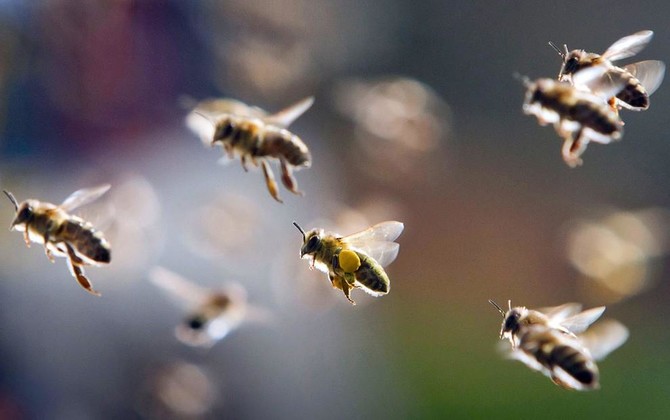
Saudi Arabia to ban import of foreign bees by 2020
Saudi Arabia to ban import of foreign bees by 2020


Latest updates


© 2026 SAUDI RESEARCH & PUBLISHING COMPANY, All Rights Reserved And subject to Terms of Use Agreement.