DAVOS: Prince Turki Al-Faisal, Saudi Arabia’s former ambassador in Washington and London, mounted a strong defense of the anti-corruption campaign in the Kingdom at the World Economic Forum annual meeting in Davos.
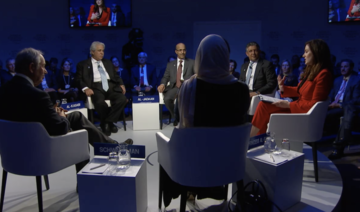
Speaking on a panel entitled “Middle East and North Africa Strategic Outlook” with regional business and political leaders, he said that the campaign would not deter foreign investment in the Kingdom.
“I cannot accept the proposition that fighting corruption will drive away investors. It will attract them, because they know they will not have to pay the extra 5 or 10 percent for bribes,” he told Davos delegates.
He also insisted that due process of law was being observed in the campaign, which has led to several prominent business figures being held for investigation of their financial affairs at the Ritz Carlton hotel in Riyadh.
“Those deemed to be innocent have been released. Those who reached a settlement with the government will give back money and they will be set free. Those who chose to go to court will do so. But there is due process. They speak to their lawyers and the families from the Ritz Carlton,” he said.
The campaign is the result of a two-year investigation ordered by King Salman.
Prince Turki said: “This has been a long-running campaign planned by the King for a long time. Corruption is a disease that has to be rooted out. If you don’t deal with it, you’re accused of doing nothing. If you do, people start inventing stories about due process.”
His anti-corruption stance was echoed by another Gulf business leader. Alain Bejjani, chief executive of the UAE-based conglomerate Majid Al Futtaim, said that he had attended the Future Investment Initiative held in Riyadh last October, staged at the Ritz Carlton.
“I was delighted to see the world coming to Riyadh and putting Saudi Arabia back on the map. Since then, we have had the anti-corruption campaign, which I believe is a great thing in our part of the world.
“Let’s acknowledge that being against corruption is a good thing. When there was corruption in there system, nobody worried then about due process, but now some people worry. That is strange. But I do believe the business world needs more communication about what is going on,” Bejjani said.


![]()
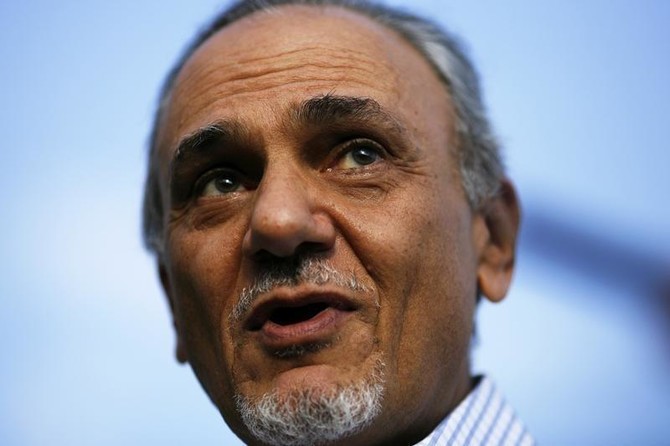
Prince Turki tells Davos: ‘Corruption is a disease that has to be rooted out’
Prince Turki tells Davos: ‘Corruption is a disease that has to be rooted out’

Latest updates


Recommended


© 2026 SAUDI RESEARCH & PUBLISHING COMPANY, All Rights Reserved And subject to Terms of Use Agreement.