DHAKA: Bangladesh on Sunday sought to reassure the international community that a planned repatriation of hundreds of thousands of Rohingya Muslims to conflict-scarred western Myanmar would be “voluntary” and in coordination with the United Nations.
In a briefing to foreign diplomats, Bangladesh Foreign Minister A.H Mahmood Ali insisted that the operation to return some 750,000 refugees who fled unrest and a military crackdown in Myanmar would involve the UN’s refugee agency.
“In order to ensure that the return is voluntary, Bangladesh has incorporated provisions for involvement of UNHCR and other relevant international organizations in the entire return process,” he said at the meeting in Dhaka.
Plans by Bangladesh and Myanmar to repatriate the refugees, who face desperate conditions in overcrowded camps near the countries’ shared border, are due to begin within days and last for two years.
But they have been met by angry protest among the Rohingya refugees, with many left traumatized by atrocities including murder, rape and arson attacks on their homes.
Rights groups and the UN have said any repatriations must be voluntary.
They have also expressed concerns about conditions in Myanmar, where many Rohingya settlements have been burned to the ground by soldiers and Buddhist mobs.
UN special rapporteur Yanghee Lee is currently visiting the camps in southeastern Bangladesh where around a million of the Muslim minority are now living.
Ali said Bangladesh wanted to “ensure that the agreements facilitate safe, voluntary, dignified and sustainable return,” the minister said, according to a statement.
He said Myanmar would involve the Red Cross in the repatriation process, adding that it has agreed to allow India, China and Japan to help rebuild homes and villages in Rakhine.
Western diplomats attending the briefing emphasised safe conditions for the repatriation.
“The Rohingya that I have met in the camp do not want to go back to a situation that will be dangerous to them,” US ambassador to Bangladesh Marcia Bernicat told reporters after the briefing.
“They do not want to go back to uncertainty. And why would any of us want them to go back to uncertainty. Again the conditions have to be safe and acceptable,” she said.
The repatriation deal does not cover the estimated 200,000 Rohingya refugees who were living in Bangladesh prior to October 2016, driven out by previous rounds of communal violence and military operations.


![]()
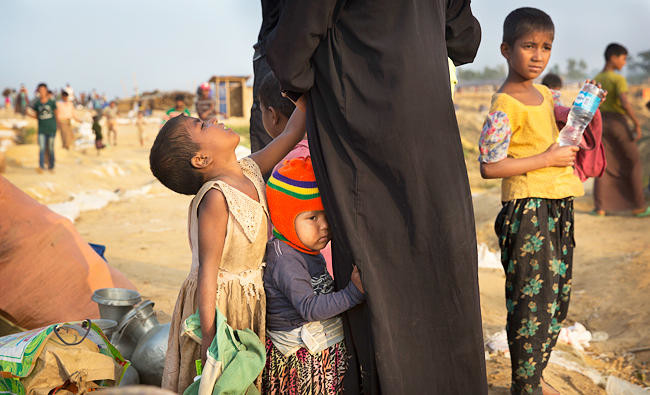
Bangladesh says will coordinate with UN over Rohingya return
Bangladesh says will coordinate with UN over Rohingya return

Latest updates


© 2026 SAUDI RESEARCH & PUBLISHING COMPANY, All Rights Reserved And subject to Terms of Use Agreement.