LONDON: Egypt’s economy has received a major boost since gas from Zohr, the Mediterranean’s largest offshore field, began to be pumped ashore in Port Said city at the end of last year.
Zohr is one of the most positive energy stories to hit the Middle East recently and a boon to Egypt in particular as the development by Italian operator ENI means the country is close to reaching gas self-sufficiency.
Zohr should wipe out the need for Egypt to buy in expensive foreign gas, thereby bolstering its depleted foreign exchange reserves, and could one day make the country a net exporter to countries throughout the region and, perhaps, beyond.
Mohamed Abu Basha, Cairo-based economist at investment bank EFG-Hermes, told Bloomberg: “One of the biggest issues Egypt had over the past years was the big shift in its energy balance from a net exporter to a net importer because of an increase in consumption versus a decline in production.
“With the new gas finds, it’s returning to this balance, if not exporting, then at least there’s no deficit,” he added.
Egyptian Oil Minister Tarek El-Molla has said initial production will be 350 million cubic feet per day, rising to 1 billion cubic feet in June and 2.7 billion by the end of 2019.
Egypt had to give up gas exports in 2014 to meet local demand and because sporadic sabotage on its main pipeline in the Sinai Desert disrupted shipments.
Zohr, with an estimated reserve of about 850 billion cubic meters of natural gas in place, is expected to close the gap between supply and demand, helping to end Egypt’s reliance on imported liquefied natural gas (LNG) next year, Bloomberg reported.
The offshore field is expected to save Egypt some $1 billion annually in gas imports.
Egypt has two LNG plants, which are more or less mothballed, from which to export once production is ramped up.
In a recent statement, BP said: “The development of Zohr in a record time has brought a new critical source of energy to the Egyptian market.”
BP added that two other current major projects in Egypt — Atoll and the second phase of the West Nile Delta project — will bring further new gas resources into production. “Together these projects will play an important role in supporting and reshaping Egypt’s energy sector.”
Russia’s state-owned producer Rosneft PJSC closed a deal in October to acquire 30 percent of the Zohr field. BP has also bought a 10 percent stake.
An International Monetary Fund report on Dec. 20 said Egypt’s reform program was yielding encouraging results.
The IMF said: “The economy is showing welcome signs of stabilization, with GDP growth recovering, inflation moderating, fiscal consolidation remaining on track, and international reserves reaching their highest level since 2011.”
The banking system was said to remain resilient to moderate shocks, but although the outlook was viewed as favorable, the IMF said sustained efforts were still required to “maintain prudent policies and advance structural reforms to support the authorities’ medium-term objective of inclusive growth and job creation.”


![]()
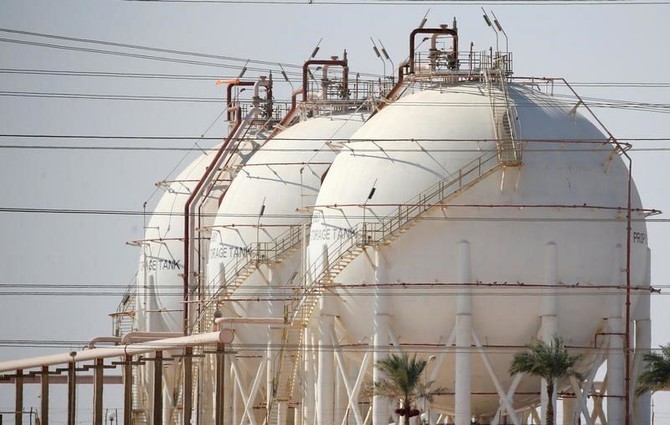
Zohr gas field fires up the Egyptian economy
Zohr gas field fires up the Egyptian economy
Latest updates



Recommended


© 2026 SAUDI RESEARCH & PUBLISHING COMPANY, All Rights Reserved And subject to Terms of Use Agreement.