LOS ANGELES: In a year of devastating hurricanes, ubiquitous sex assault scandals and a strikingly candid presidential Twitter account, it is little wonder that cinemagoers are turning to escapist fantasy.
With fairytale romance “The Shape of Water” leading the nominations for the Golden Globes, the dark farce “Get Out” topping critics’ lists and horror movies making $1 billion at the box office, 2017 may come to be seen as the year of the genre movie.
Jordan Peele’s “Get Out,” which satirizes suburban white guilt over racial inequality in the US, is emblematic of the rise of genre films in this year’s awards season.
It has been almost a year since its release, and most movies brought out that far ahead of Hollywood’s various prize-giving ceremonies are long forgotten by the time the trophies are being polished.
Yet “Get Out” is up for two Globes on Sunday and entertainment website Eonline.com has been extolling its virtues as a genuine contender.
Guillermo del Toro’s “The Shape of Water,” a hot favorite among the movies vying for the best dramatic film Globe, has seven nominations in total.
The Cold War-era piece tells the story of a young, mute woman (Sally Hawkins) who works at night in a government laboratory and falls in love with a captive merman-like amphibian creature.
Alexander Payne’s sci-fi satire “Downsizing” and Edgar Wright’s heist thriller “Baby Driver” are also seen as genre movies that would not normally get a second glance on awards nights, yet both are vying for Globes on Sunday.
In recent years, the Hollywood Foreign Press Association, which runs the Globes, has rewarded movies celebrating Tinseltown (“La La Land,” “The Artist,” “Birdman”) or heartfelt rites-of-passage flicks (“Boyhood,” “Moonlight”).
Historical or journalistic stories like “The King’s Speech” and “Spotlight” are also firm favorites — usually at the expense of more fantastical, escapist movies.
At the genre end of the market, only westerns like “The Revenant” and “Hell or High Water” have been pulling their weight.
The last decade or so have been unkind to genre movies but they are on their way back, with frightening films, in particular, regaining their mojo.
The New York Times magazine recently ran a cover story describing 2017 as “The Year of Horror,” dedicating several of its inside pages to the best actors in recent examples of the genre.
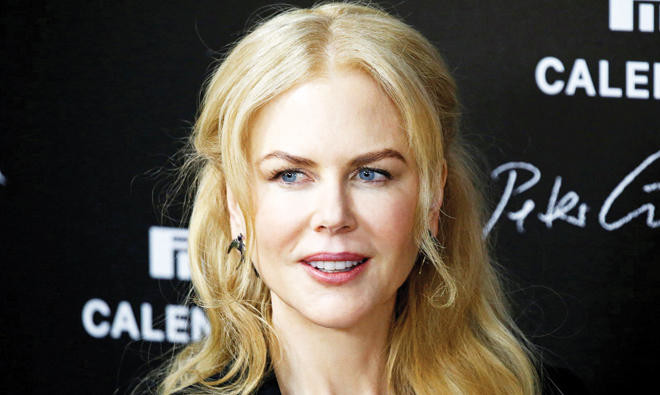
The cover featured Australian Oscar winner Nicole Kidman, one of the most popular actresses of her generation, who diversified this year with a starring part in the gory creep-fest “The Killing of a Sacred Deer.”
Noting that horror films have made more than $1 billion in ticket sales over 12 months, the magazine attributed the public’s new bloodlust to the torment of the daily news cycle.
“Horror movies probably don’t need the world to be horrifying to be good,” it speculated.
“But when things are bad, the genre has a way of telling you they could be worse.”


![]()
Golden Globes celebrate the year of the genre movie
Golden Globes celebrate the year of the genre movie
Latest updates



Recommended


© 2026 SAUDI RESEARCH & PUBLISHING COMPANY, All Rights Reserved And subject to Terms of Use Agreement.