JEDDAH: A Saudi citizen documented the inhumane abuse of a camel that was brutally beaten by a slaughterhouse worker in Makkah.
The video went viral on social media and it collected 140,000 views in one week under the hash tag #camel (in Arabic).
The citizen who took the 1:11 minute video was very upset with the incident and was stopped by one of the slaughterhouse guards.
The guard: “Stop. It is not allowed to take photos here, you have to respect the privacy of the place.”
The citizen said: “There is no sign that says photos are not allowed. Can’t you see how harsh the worker is dealing with the camel there?”
The guard replied: “Well, you are not that camel, why you are bothered?”
The citizen responded: “There are better ways to deal with camels!”
Animals are respected in all religions and acts of cruelty to animals are not mere indications of a minor personality flaw in the abuser. Some studies have suggested that individuals who are cruel to animals are more likely to be violent to humans.
Many people expressed their anger on social media by sharing the video with comments such as “torturing the camel this way is prohibited in Islam, as prophet Mohammed urged to deal gently with camels and animals in general.”
@ajlnews said in a tweet: “The Municipality of Makkah region will take necessary actions against those involved in the video.”
The Municipality of Makkah reacted immediately with the video and decided to rule out the Sudanese worker who appeared in the video clip accompanied by others who tortured a group of camels in a slaughterhouse run by the Municipality Makkah.
Spokesman for the Makkah Municipality Othman Mali said in a statement : “It was decided to exclude the Sudanese guard of the slaughterhouse and all the workers who participated in beating the camels, and decided to prevent them from working in the slaughterhouses of the Municipality.”
He added: The contractor was forced to provide a crane to carry camels to the slaughterhouse ,”penalties and fines to be applied on the contractor”.


![]()
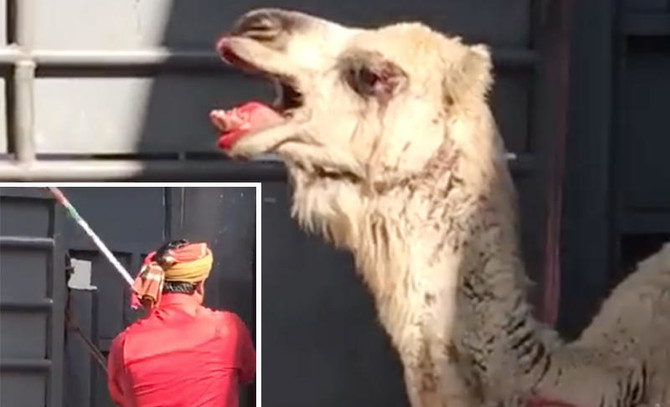
Makkah Municipality fires abusive workers after viral camel video
Makkah Municipality fires abusive workers after viral camel video


Latest updates





© 2026 SAUDI RESEARCH & PUBLISHING COMPANY, All Rights Reserved And subject to Terms of Use Agreement.