JEDDAH: Jeddah-based fashion designer Nasiba Hafiz is a rare gem in Saudi Arabia. Her bold prints, asymmetric designs, colorful motifs and minimalist approach have all combined to form the foundation of a fresh take on fashion in the country.
Gone are the days of excess colors, florals and sequins, fashion in the country has taken a more modern, simple and sophisticated turn — and some fashion insiders believe Hafiz is at the helm of the ship.
Arab News sat down with Hafiz in her wonderfully-eccentric living room, the walls of which were covered in an unconventional array of beautiful pictures and posters garnered from her travels abroad. Her avant-garde home is a reflection of her style, as well as her art-and-fashion-savvy family’s influence.
“I design what I feel. It’s a process that isn’t easy, especially with the growing market, but I take into consideration what is missing here. You’ll always find pieces suitable for the growing teen, the 20-something, the 30-something and even the 40-something that are looking to find comfortable, chic pieces for their wardrobe. I’m in tune with my designs and they reflect what I sense around me. I experiment with everything, I’ll never restrict myself,” Hafiz told Arab News.
Her take on fashion is a reminder that a designer’s main purpose is to reflect their personal style in their creations.
“You lose your sense if you follow what clients want. Abayas and kaftans sell fast here but that’s not what I want. I can play a small role in adding to this category in my own way with my Moroccan line and the ‘Love’ abayas, but that’s about it. That’s not what I can do. A good designer will not succumb to the pressure, you simply accommodate with the standards you’ve set for yourself. You have to find a balance and the best part of being a designer is having a good support base who look for your designs, who want to purchase them because they’re different, because they’re unique.
“If you’re a slave to the industry then you’re going to have to do what everyone wants you to do,” she added.
She is a firm believer in making the best of what you have. Instead of relocating abroad to a country where the fashion design base is more established, she decided to stay, not only for family reasons, but also because she believes that local support is what will make designers strive. This has not stopped her from creating her own pop-up fashion displays in Tokyo, Los Angeles, Dubai and London, showcasing some of her lines, however. She has also had a number of collaborations with various designers throughout the years — a fun way to spice things up and create even more interesting garments.
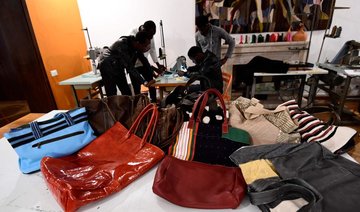
One aspect of Hafiz’s designs that is particularly interesting is the fact that she enlists the help of women tailors from non-profit center, Nesma Embroidery. The entity employs and trains Saudi Arabia-based women, many of whom have special needs requirements or are speech and hearing impaired. Their mission is to create a local industry that employs women in sewing and embroidery, something that Hafiz feels strongly about.
What makes Hafiz’s collection fun is how exceptional each piece is — you can always find a garment to suit your current mood and spirit. The fabrics are light and versatile and have a feminine feel to them, making them wearable and easy to pair with other items of clothing.
Given that the interview took place in Hafiz’s home, you can see how she became intrigued and interested in the world of home décor as well as fashion. She has a keen eye for detail and her home features some rare items. Her furniture is a representation of her eccentric style and love for vivid colors. From the black-and-white tiles to the iconic Martinique wallpaper depicting banana leaves, famously seen at the Beverly Hills Hotel, her Greek-Mediterranean style outdoor pool area and classic china coffee cups, everything is perfectly curated. There is a strong love and appreciation for vintage pieces apparent in both her fashion label as well as her home, but she has a special place in her heart for one particular type of home accessory.
“Home décor has been a hobby of mine for a long time and candles are significant to every home. They add a sense of calmness and spice to any home. A person’s scent is one of their own and while perfumes are special, candles are, and have always been, a staple of any home. I want to continue creating home items and adding something of my own creation in people’s homes, as well as their closets,” she said of her homeware line.
Hafiz’s taste in fashion and styling is a fresh, more laid back and easy style than what is typically found in Saudi Arabia. It takes a creative and innovative designer to go bold and break the rules, as well as bravery and lots of love to achieve and accomplish what this creative powerhouse has done with her fashion house.