MUMBAI: Alphabet Inc’s Google launched a stripped-down version of its Android software in India on Tuesday, as it attempts to woo millions of basic phone users in the fast-growing wireless services market.
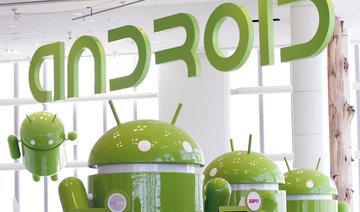
The Android Oreo Go operating system can work on entry-level smartphones with the memory of as low as 512 megabytes, Google said on Tuesday, adding it expects devices running on the software to start hitting store shelves in the coming months.
With 1.2 billion mobile phone subscribers, India’s wireless services market is second only to China’s. But, only about a third of these subscribers currently use smartphones, leaving a vast market for Google, handset, and telecom firms to further tap.
Although prices of smartphones have fallen sharply in the last few years with Chinese and local phone-makers flooding the market with cheaper handsets, they remain out of reach of a section of customers who are also concerned about a smooth user experience in low-priced phones.
“The new lighter operating system, if it works well, will likely attract first-time smartphone buyers to devices retailing in the $30 to $75 range,” said Shobhit Srivastava, an analyst at technology researcher Counterpoint, adding that it would also give Google the opportunity to cross-sell other services like its local payments application Tez that launched in September.
Phones running on the new Google mobile operating system will also have access to a special version of its Google Play application store, the company said, highlighting the apps designed to work best on the low-memory smartphones.
Google, which has increased its focus on the Indian market in recent years with initiatives including providing free wifi services at railway stations, is competing with the likes of Facebook and its WhatsApp messenger services for the attention of hundreds of millions of new Internet users.
Even for those 400 million or so already connected to the Internet in India, consumption of mobile data has seen a huge spurt following the entry of a new carrier Reliance Jio, backed by the country’s richest man Mukesh Ambani.
Jio up-ended the market with initially free and later cut-priced offerings that forced established rivals to slash their prices. Jio currently offers plans that allow users to download up to 1 gigabyte of data per day for less than $3 a month.
Among other products, Google announced on Tuesday a version of its Google Assistant for JioPhone — a low-cost 4G-enabled device marketed by Jio.
It also unveiled a version of Google maps tailored for two-wheeler users.


![]()

Google unveils new Android software in India to power cheap smartphones
Google unveils new Android software in India to power cheap smartphones

Latest updates


© 2026 SAUDI RESEARCH & PUBLISHING COMPANY, All Rights Reserved And subject to Terms of Use Agreement.