Indonesia loses WTO appeal in halal food fight with New Zealand and US

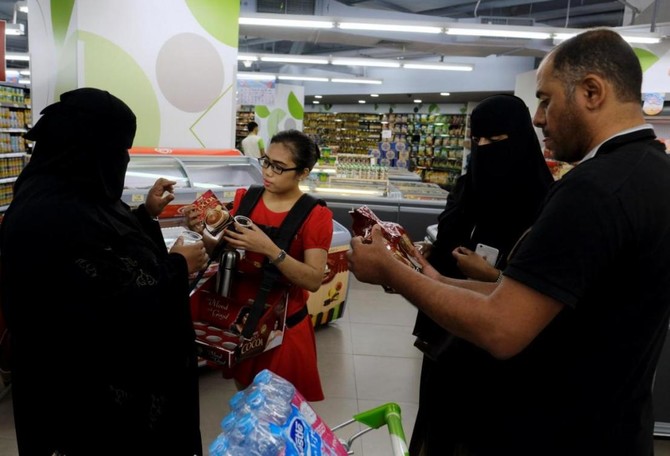
Indonesia had argued before the WTO that its rules were based on health concerns and halal food standards, or aimed to deal with temporary surpluses in the domestic market. (Reuters)
Updated 10 November 2017
Follow

Indonesia loses WTO appeal in halal food fight with New Zealand and US

GENEVA: Indonesia lost an appeal ruling at the World Trade Organization on Thursday in a dispute with the US and New Zealand over Indonesia’s restrictions on imports of food and animal products including beef and poultry.
Indonesia had argued that its rules were based on health concerns and halal food standards, or aimed to deal with temporary surpluses in the domestic market. In December 2016, a panel of adjudicators faulted Indonesia, which appealed.
An Indonesian trade ministry official said the government would study the ruling before easing any restrictions, which cover products such as apples, grapes, potatoes, onions, flowers, juice, dried fruit, cattle, chicken and beef.
“The Indonesian government will study and conduct internal coordination related to the recently circulated Appellate Body Report, including its implications for current regulations,” Oke Nurwan, Indonesia’s director general of foreign trade, said.


Saudi Arabia opens 3rd round of Exploration Empowerment Program

Updated 01 February 2026
Follow

Saudi Arabia opens 3rd round of Exploration Empowerment Program

RIYADH: Saudi Arabia’s Ministry of Industry and Mineral Resources, in collaboration with the Ministry of Investment, has opened applications for the third round of the Exploration Empowerment Program, part of ongoing efforts to accelerate mineral exploration in the Kingdom, reduce early-stage investment risks, and attract high-quality investment from local and international mining companies.

The third round of the Exploration Empowerment Program offers a comprehensive support package targeting exploration companies and mineral prospecting license holders.

The initiative aims to lower investment risks for projects and support a faster transition from prospecting to development.

"The program provides coverage of up to 70 percent of the total salaries of Saudi technical staff, such as geologists, during the first two years, increasing to 100 percent thereafter, in line with program requirements.

This support aims to develop talent, build national capabilities in mineral exploration, promote job localization, and facilitate the transfer of geological knowledge.

The application for the third round opened on Jan. 14, allowing participants to benefit from the Kingdom’s attractive investment environment, its stable legal framework, and streamlined regulatory structures, as well as integrated infrastructure that supports the transition from mineral resources to operational mines.

The ministry has set the timeline for the third round, with the application period running from Jan. 14 to March 31.

This will be followed by the evaluation, approval, and signing of agreements from April 1 to May 31, with the eligible projects set to be announced between June 1 and July 31 of the same year.

The program stages include submitting exploration data during the reimbursement and payment phase from Sept. 1 to Nov. 30, followed by technical and financial verification of work programs and approval of the disbursement of support funds in January 2027.

The exploration data will then be published on the National Geological Database in April 2027.

The ministry emphasized that the EEP focuses on supporting the exploration of strategically important minerals with national priority. It also contributes to enhancing geological knowledge by providing up-to-date data that meets international standards, helping investors make informed decisions and supporting the growth of national companies and local supply chains.

The ministry urged companies to apply early to benefit from the program’s third round, which coincided with the fifth edition of the International Mining Conference, which was held from Jan. 13 to 15.