LONDON: The diplomatic and economic war between Qatar and some of its neighbors will have a negative impact on the travel industry across the Middle East — with Qatar Airways faring the worst, according to a report by Euromonitor, the global market intelligence agency.
The report, published on Tuesday, said: “Qatar Airways is the main loser in the turmoil with 30 percent of its revenues under threat.”
Euromonitor’s researchers said that there will be no winners among Middle East airlines and all carriers will see a reduction in demand. “Ethiad (UAE) and Emirates (Dubai) have significant exposure to the Qatar market and are likely to suffer financially as well.”
Saudi Arabia, the UAE, Bahrain and Egypt cut ties with Qatar in June after accusing Doha of supporting terror groups. The Qatari government denied the allegations.
In addition to severing diplomatic ties, the Anti-Terror Quartet imposed trade restrictions and ordered their citizens to leave Qatar. As a result, the Qatari economy has taken a hit with Bloomberg reporting last month that the government was in talks with banks about raising $9 billion via a bond sale following a slowdown in tourism, trade and banking.
Qatar has been shut out of four destinations in the Middle East following the embargo. Analysts said that is the equivalent of 20 percent of Qatar Airways’ seating capacity.
The Euromonitor report was released in conjunction with the World Travel Market (WTM), which is hosting the international travel fair in London and other cities around the world.
WTM London senior director, Simon Press, said: “Qatar, Ethiad and Emirates are among the world’s leading airlines and have helped the economic prosperity of the region to grow in recent years. Hopefully, the current situation can be addressed and the region’s travel industry can return to growth.”
Gulf airlines are struggling anyway, as overcapacity, security concerns and the fallout from low oil prices take their toll. The crunch has sparked talk about Gulf airline consolidation, as reported by Arab News on Nov. 2.
Emirates, the oldest and largest of the Gulf airlines, posted its first full-year profit decline for five years in May, as earnings crashed more than 80 percent. Etihad’s losses in 2016 hit $1.9 billion, which included about $800 million of impairment charges related to its equity stakes in other struggling carriers, some of which are worthless.
According to the Euromonitor report, Asian cities dominate the global destination rankings in 2017, thanks to the unstoppable rise of Chinese outbound tourism demand. Hong Kong is the most visited city in the world, followed by Bangkok, which overtook London in 2015. Wouter Geerts, a senior travel analyst at Euromonitor International, said: “Asia Pacific is the standout region driving change in travel. We expect the region to continue growing in the coming decade with Singapore overtaking London as the third most visited city in the world by 2025, giving the podium fully to Asia.”
Performance in the Middle East and North Africa has fluctuated greatly in recent years, but Euromonitor’s forecast shows a recovery for the region in 2017 and beyond.
“While MENA’s main challenges remain wars and border disputes, Sub-Saharan Africa is looking to do the reverse: Opening borders and enhancing collaboration with the African Union for a plan toward seamless borders,” Euromonitor said.
The performance of European cities has been hampered by the Eurozone and migrants’ crisis, as well as Brexit and terrorist attacks. Despite the uncertainty, some European destinations, in particular Greece, Italy and Spain, have profited from unrest in the Middle East and North Africa.


![]()
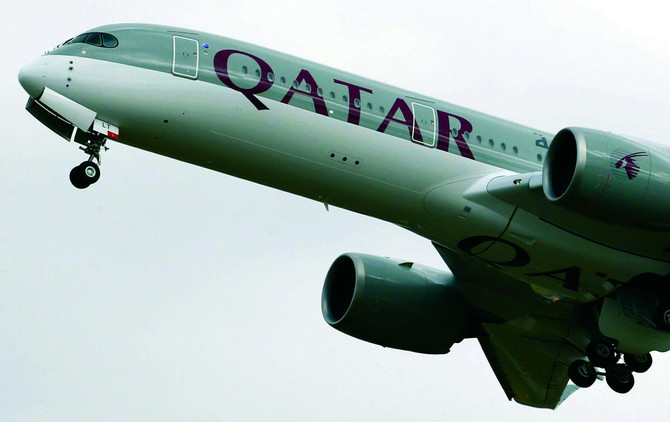
Qatar Airways is the main loser among Gulf carriers in boycott
Qatar Airways is the main loser among Gulf carriers in boycott
Latest updates


© 2026 SAUDI RESEARCH & PUBLISHING COMPANY, All Rights Reserved And subject to Terms of Use Agreement.