BEIJING: China said it was “strongly dissatisfied” with the US decision to impose anti-dumping duties ranging from 97 percent to 162 percent on Chinese aluminum foil, urging Washington to correct its “mistaken methods.”
The preliminary ruling on Friday was a victory for US aluminum foil makers who filed a complaint with the Commerce Department accusing Chinese producers of dumping foil into the US market at below cost or fair market value.
In 2016, US aluminum foil imports from China were valued at $389 million, according to the Commerce Department, which said it would issue its final determination for the duties on February 23.
Chinese Commerce Ministry official Wang Hejun said in a statement late on Saturday that the United States was still using “discriminatory” surrogate country pricing methods to put high duties on Chinese goods.
The United States is not only harming the interests of Chinese companies, but also damaging the authority of multilateral trade rules, Wang said.
“We urge the United States to earnestly fulfill its international obligations, and take real action to correct its mistaken methods,” Wang said, adding that China would take steps to protect Chinese companies’ legal rights.
Beijing complains that the United States uses a now expired clause in China’s 2001 World Trade Organization accession deal that for years allowed other WTO members to use a third country’s prices to assess whether Chinese goods were being dumped.
The US Commerce Department said the aluminum foil duties were based on evidence using its standard methodology for determining dumping duties against non-market economies.
Washington has determined in the past that such measures were needed because China failed the test of whether it operates as a market economy, given the government’s control over price and output decisions of enterprises and other factors, such as the extent to which its currency is convertible.
US President Donald Trump’s administration has made enforcement of trade laws a top priority.
From January 20, the day Trump took office, through October 25, the Commerce Department said it initiated 77 anti-dumping and countervailing duty investigations, up 61 percent from the previous year.


![]()
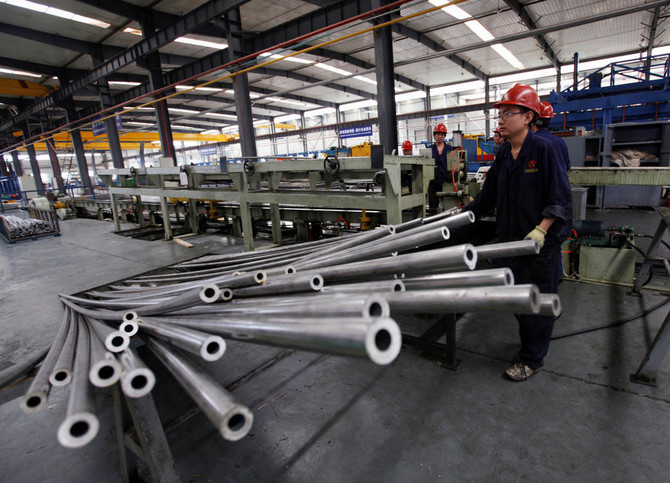
China angered over US aluminum foil anti-dumping duties
China angered over US aluminum foil anti-dumping duties


Latest updates


© 2026 SAUDI RESEARCH & PUBLISHING COMPANY, All Rights Reserved And subject to Terms of Use Agreement.