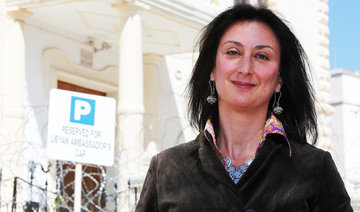
LONDON: An investigative journalist killed by a car bomb in Malta had worked to expose the sale of hundreds of passports to non-EU nationals.
Maltese reporter Daphne Caruana Galizia was known for campaigning against corruption and had reported on the government sale of passports before she was killed by a car bomb on Monday in the town of Bidnija, near her family home.
According to media reports 53-year-old Galizia filed a police report 15 days ago claiming that she was being threatened but the nature of the complaints have not been disclosed.
In her last blog post, published just hours before she died, she bemoaned the lack of progress in prosecuting alleged corruption cases.
“There are crooks everywhere you look now. The situation is desperate,” she wrote.
Galizia was known for her investigative journalism and her blog, called Running Commentary, was one of the most widely-read websites in Malta.
The journalist has been sued many times for her posts in which she revealed several corruption scandals involving Maltese politicians.
In 2016, she was named by Politico as one of “28 people who are shaping, shaking and stirring Europe.”
International Federation of Journalists President Philippe Leruth, said in a statement: ”The murder of Daphne Caruana Galizia leaves the journalism community in shock.
“We demand immediate investigation into her killing as this brutal assassination is a clear attack against press freedom. We send our deepest sympathy to Daphné’s family.”
Malta has issued hundreds of passports to non-EU nationals in exchange for huge sums of cash over the last two years – often to people from the Middle East seeking access to the EU.
Steve Goodwich, research manager at Transparency International UK, said he has noted an increased trend of rich Eastern countries “seeking favor and impunity” from EU jurisdictions.


![]()

Murdered reporter had been investigating passports for sale in Malta
Murdered reporter had been investigating passports for sale in Malta

Latest updates


© 2026 SAUDI RESEARCH & PUBLISHING COMPANY, All Rights Reserved And subject to Terms of Use Agreement.