Veteran broadcast journalist Madhulika Sikka was preparing for an interview with Barack Obama with her team at NPR News when she was told she had breast cancer. She was immediately inundated with literature about mastectomies, chemotherapy, nutrition and drugs.
However, “none of this information really helped me — me the woman; me the mother; me the wife. Me. Nothing prepared me for the emotional loss of my hair…Nothing clued me in to the fact that I would be so exhausted, I would flop on my couch like a rag doll…Women with breast cancer are expected to be upbeat…We are constantly told that we can beat the cancer, but when you are actually going through the treatment, you often feel helpless as the true effects take hold,” Sikka wrote.
So, she decided to deal with this problem as any journalist would — by expressing her feelings and reactions through the written word. Her friends thought it was something worth sharing and encouraged her to continue writing. The resulting book, “A Breast Cancer Alphabet,” is “for anyone who has been diagnosed with breast cancer and needs a companion,” she wrote.
Sikka opted for a blunt and truthful style. During an interview, Sikka said: “In my book, I use the word ‘amputation’ to describe the removal of my breast. We all seem comfortable with using the medical term ‘mastectomy’ but if you use the word ‘amputation,’ people are shocked. Yet to me, that is exactly what it felt like. It’s funny that, in this case, the medical term is the less challenging one for folks to deal with.”
This A-to-Z guide to living with breast cancer is a practical and informative aid that will help sufferers cope, from diagnosis to treatment. Despite the seriousness of the topic, the tone is light and tinged with humor.
The first letter stands for anxiety. It comes in the form of nausea, a thumping heartbeat and an upset stomach. Anxiety management is a difficult challenge and one should get all the help one needs. The problem with anxiety is that it does not go away because once you have cancer, you are always wondering whether it will come back. Whenever you feel pain, you believe that it could be your cancer returning
C is for “Cancerland.” In Cancerland, anyone can be your fellow traveler. Cancer strikes the young, old, rich, poor, male, female, white and black — anyone, anywhere at anytime. “Even the most experienced health care professionals don’t know what it is like to feel as tired as you will during chemotherapy or how bloated you will feel on steroids or the extent to which a mastectomy really hurts.
“This is precisely why it is worth seeking out the counsel of others who have been to Cancerland, so that they can share some of their experiences with you,” she wrote.
D is for drugs. Right from the beginning, Sikka drills this mantra into our heads: “Drugs are our friend.” Chemotherapy offers our best chance of survival, she says. A toxic cocktail of drugs is pumped into the patient’s body, but she believes it is one of the blessings of modern-day medicine.
Breast cancer is the top cancer in women worldwide and is increasing, particularly in developing countries where the majority of cases are diagnosed in the late stages. According to the Breast Cancer Research Foundation, advancements in breast cancer screening and treatment have contributed to a 38 percent decline in breast cancer-related deaths in the US. Getting the right treatment at the right dose and at the right time not only improves a patient’s chance of survival, but can also reduce the side effects of chemotherapy.
When Sikka was asked if she found it difficult to limit herself to 26 topics, she answered: “You know, it was actually hard to come up with all 26. When I first had the idea of an alphabet, I wrote some sample essays and they made perfect sense. It was when I was faced with the prospect of going through the whole alphabet that I realized how hard that was going to be.”
Readers may wonder why Sikka chose to dedicate her chapter on the letter P to a pillow. It all started when she received an unusual delivery — a giant foam wedge pillow from her friend Jennifer, herself a double-mastectomy patient. This pillow is shaped like a giant wedge of cheese and was so useful to the author on the day she returned home after her mastectomy that she included it in the book. This pillow, thanks to its shape, helped her lie in bed with her torso elevated at an angle.
“Really, in a million years, I never would have thought this. It has been a lifesaver, the anchor pillow in a group of pillows that contributed to my comfort during the worst periods after surgery and during recovery...In a time of enormous discomfort, pillows are an indulgence that you can afford and they actually make a difference. Who knew?”
T is for therapy, but not the sort of therapy readers may have expected. The author watched episode after episode of British costume drama “Downton Abbey” to escape from her everyday life.
W is for warrior. In this section, Sikka criticizes the way cancer victims are expected to be upbeat during their treatment. Women diagnosed with cancer are pressured to fight this disease. “I find this attitude troubling because it implies that if you do not survive that somehow you didn’t fight hard enough — as if it were your fault,” she wrote.
This book tells you that it is okay to cry without stopping, okay to be angry and okay to say aloud that you feel awful. This book tells you what you should know about breast cancer from a woman who has been through it all.
“Everyone’s cancer is unique, but my hope is that this book has provided a little something for each of you,” Sikka concluded.


Book Review: An A-Z of dealing with breast cancer
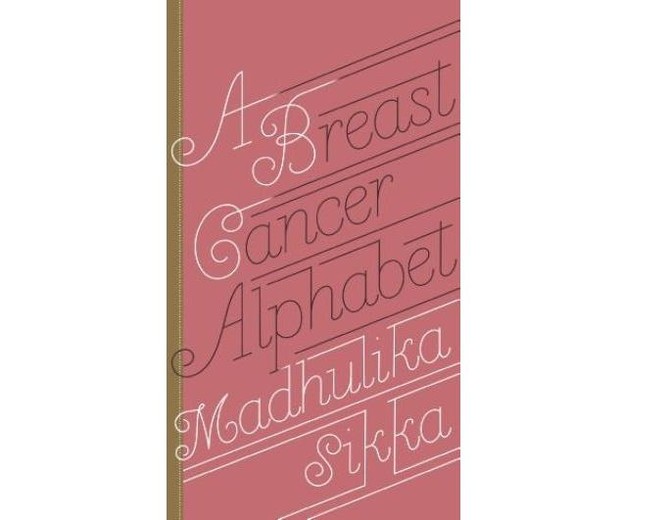
Book Review: An A-Z of dealing with breast cancer



Where We Are Going Today: Makbous Express in Riyadh
- Each option complements the dish in its own way, though the mandi rice seems best suited to absorb the savory depth of the sauce
Sometimes comfort arrives in a takeout box. Makbous Express in Riyadh brings the warmth of home-style cooking to your doorstep, offering familiar Gulf flavors designed for casual indulgence rather than fine dining.
Even without the dine-in experience, the food travels well, retaining much of its authentic charm. The tabolah stands out immediately. A bright mix of parsley, bulgur, tomato, and onion, it tastes crisp and refreshing, cutting through richer dishes with balance and simplicity. It is a welcome palate-cleanser.
The Makbous meat, the restaurant’s bestseller, shows why it carries that title. Tender meat cooked in aromatic saffron sauce arrives perfectly seasoned, with your choice of biryani, mandi, or plain rice.
Each option complements the dish in its own way, though the mandi rice seems best suited to absorb the savory depth of the sauce. This plate captures the essence of Kuwaiti soul food: generous, fragrant, and deeply satisfying.
Less exciting was the shrimp pasta, tossed in Makbous hot sauce. The shrimp were well-cooked, but the overall dish felt predictable, with the sauce adding heat but not much complexity.
The jareesh, made from crushed wheat groats simmered in chicken stock and cumin, then topped with butter or wild ghee, is pure comfort food. Warm, wholesome, and nostalgic, it delivers understated satisfaction rather than surprise. It’s the kind of dish that feels like home cooking done right.
The potato stew was runny for my taste and lacked the richness needed to tie its flavors together. A thicker texture or deeper spice could have made it more enjoyable, especially if it had more body.
Despite a few uneven dishes, Makbous Express succeeds in delivering the homely warmth of Kuwaiti cuisine, one that speaks of tradition, spice, and generosity. It may not dazzle at every turn, but for days when you crave hearty, unpretentious comfort food, this express route hits close to home.