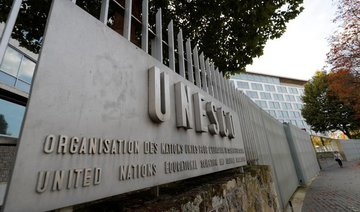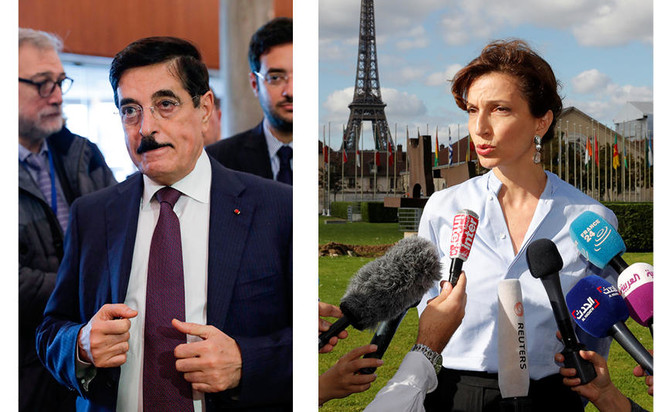
PARIS: Candidates from Qatar and France duelled Friday to become the new head of the UN’s embattled cultural agency where Gulf tensions and accusations of anti-Israel bias loomed over the politically charged contest.
The campaign to succeed UNESCO’s outgoing chief Irina Bokova was overshadowed by Washington’s announcement Thursday that it planned to withdraw from the body after years of tensions over decisions seen as critical of Israel.
Israel itself announced shortly afterwards that it would follow suit.
Arab states believe the job of director-general of the 195-member organization should go to one of them for the first time, but regional rivalries and the US and Israeli withdrawals looked set to undercut their ambitions.
Former Qatari culture minister Hamad bin Abdulaziz Al-Kawari is currently leading the contest, but he has been unable to pick up support from other Gulf states who are part of a Saudi-led coalition boycotting the gas-rich monarchy for allegedly supporting terrorists.
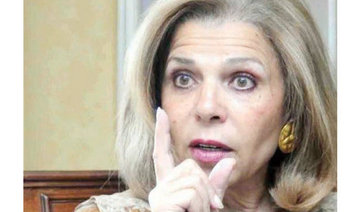
The division is likely to open the way for his rival, French ex-culture minister Audrey Azoulay, who is Jewish of Moroccan origin. She edged out Egyptian rights activist Moushira Khattab on Friday as the main challenger.
The ultimate winner, set to be decided in a final round of voting later Friday, will face the difficult task of trying to persuade the US and Israel to reverse course as well as tackling the allegations of anti-Israel bias.
'Bad signal'
Reacting to the US withdrawal on Friday, a spokesman for German Chancellor Angela Merkel said it sent a “bad signal” at a time of global instability, but he added that Berlin too wanted changes at the Paris-based body.
“That’s why we put all our hope in the future director-general and expect that this person will carry out reforms,” spokesman Steffen Seibert told reporters.
“Abuse of this organization for political reasons must come to an end.”
In the face of Arab divisions, France has presented Azoulay as a consensus figure who could mend fences and soothe tensions caused by recent resolutions against Israel.
“Now more than ever UNESCO needs a project... which restores confidence and overcomes political divisions,” the French foreign ministry said in a statement reacting to the US pullout.
Lebanon’s candidate Vera El-Khoury, who bowed out at the fourth round, told AFP that the power game at play in the race had shown UNESCO members “did not give a damn” about the candidates’ programs.
Qatar has generously funded UNESCO in recent years and lobbied intensively for the post, which would help bolster its international status at a time when it faces isolation in the Gulf.
A Saudi-led coalition has been blockading the small strategically placed nation since June over its alleged support for radical Islamists and its ties to Iran.
Al-Kawari has also been dogged by old allegations of anti-Semitism after the Simon Wiesenthal Center accused him of remaining silent about anti-Semitic books at a fair in Doha when he was culture minister.
Heritages sites
UNESCO is best known for producing a list of World Heritage sites including tourist favorites such as the Grand Canyon or Cambodia’s Angkor Wat, but it also runs science, media training and cultural programs internationally.
The US decision to withdraw, which is to take effect on December 31, 2018, underlined America’s drift away from international institutions under President Donald Trump.
Washington has walked out on UNESCO once before, in 1984, after a row over funding and alleged anti-US bias.
For several years Washington returned to the fold in 2002, seeing UNESCO as a vehicle for combatting extremism in the wake of the September 11, 2001, attacks.
But in 2011 relations soured again after UNESCO admitted Palestine as a full member, prompting the US to cut its funding to the organization, leaving a gaping hole in its finances.