- The five-day conference aimed to review regional developments, Pakistan’s bilateral relations with friendly nations
- Foreign Minister Ishaq Dar stressed sustained engagement at the conference, welfare of Pakistani diaspora in the Gulf
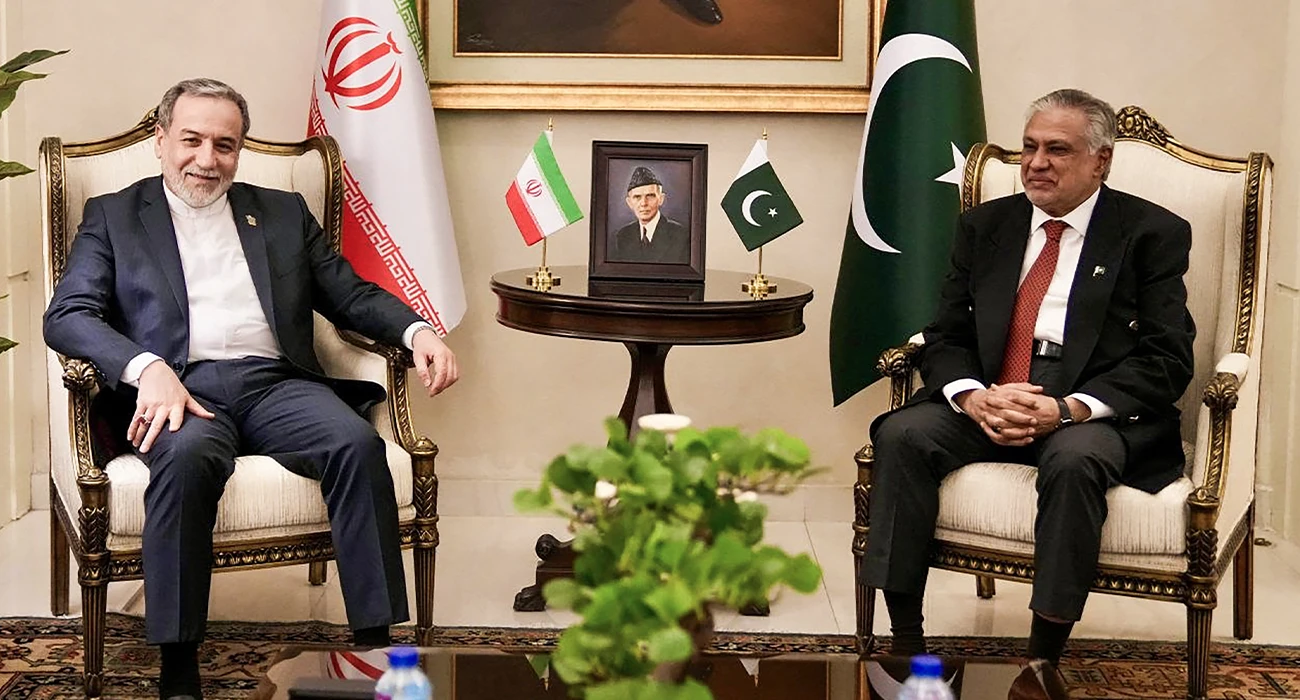
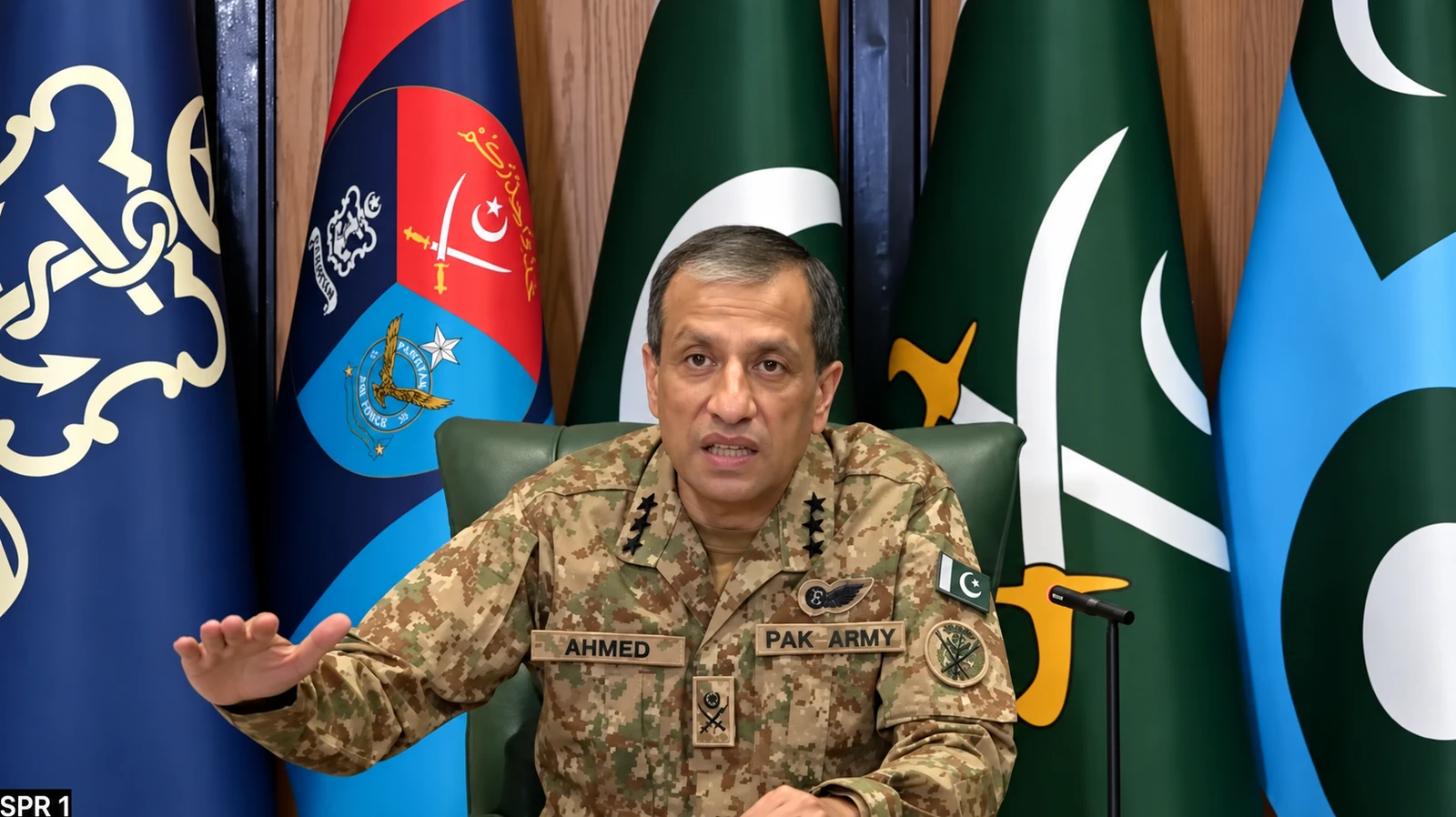
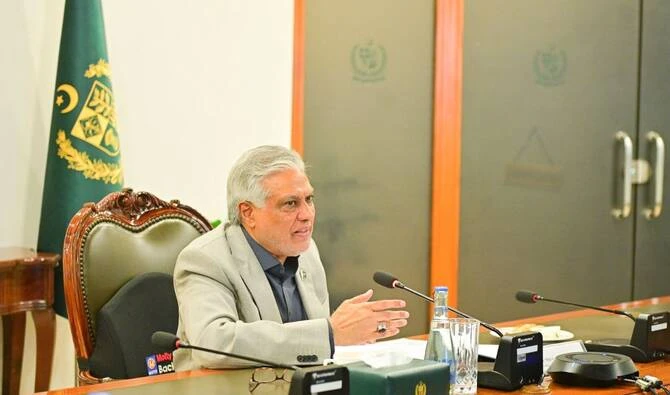
ISLAMABAD: Pakistani Foreign Minister Ishaq Dar on Monday presided over the closing session of a regional envoys’ conference in Islamabad and reaffirmed Islamabad’s commitment to strengthening longstanding ties with Gulf countries and promoting regional peace, amid an ongoing conflict in the Middle East.
The five-day conference, which ran from May 14 till May 18 in the Pakistani capital of Islamabad, aimed to review regional developments and the South Asian country’s bilateral relations with friendly nations in the region.
The conference came at a time of a military conflict between the United States (US) and Iran that has seen Tehran attack Israel as well as US interests and other infrastructure in the Gulf in response to US-Israeli strikes since Feb. 28.
Pakistan, which has spearheaded diplomatic efforts to end the conflict, last week said it had summoned the meeting to “review regional and global developments,” without specifying the names of participating countries.
“FM [Dar] took stock of the comprehensive deliberations and key recommendations emerging over the past few days,” the Pakistani foreign ministry said in a statement after the closing session on Monday.
“In his closing remarks, DPM/FM underscored Pakistan’s longstanding , historic and brotherly relations with the Gulf countries, reaffirming the commitment to further strengthen these important partnerships across political, economic, and people-to-people dimensions. He reiterated Pakistan’s commitment to enhance economic engagement and promoting regional peace and stability.”
During the session, Dar highlighted Pakistan’s facilitative role in promoting regional stability and stressed the importance of sustained engagement, according to his ministry. He emphasized that the welfare of the Pakistani diaspora in Gulf countries and across the world was a top priority of his government.
The foreign minister directed officials of his ministry and urged heads of missions to maintain close coordination, pursue proactive engagement and ensure “effective follow-up on the recommendations,” the Pakistani foreign ministry said, without sharing details of the proposals presented at the conference.
The US-Iran war, which has been paused since April 8 though sporadic clashes have continued, has disrupted cargo and energy supplies in the Strait of Hormuz, sent global oil and gas prices skyrocketing, and threatened economies around the world.
Pakistan, which has acted as a key mediator between the two sides, hosted the first round of talks between the US and Iran in Islamabad last month. The talks ended without a breakthrough, but Islamabad has continued its efforts to convince the parties to end the conflict.
Iran said Monday it had responded to a new US proposal aimed at ending the war, adding that exchanges were continuing via Pakistan despite Iranian media reports describing Washington’s demands as excessive.
“As we announced yesterday, our concerns were conveyed to the American side,” Iranian foreign ministry spokesman Esmaeil Baqaei said during a press briefing Monday, adding that exchanges were “continuing through the Pakistani mediator,” without providing details.
Baqaei defended Iran’s demands including the release of Iranian assets frozen abroad, the lifting of long-standing sanctions, and an Iranian stipulation that the US pay war reparations. The US did not immediately respond to Baqaei’s comments.
On Sunday, Iran’s Fars news agency said Washington had presented a five-point list, which included a demand for Iran to keep only one nuclear site in operation and transfer its stockpile of highly enriched uranium to the United States.
The US had refused to release “even 25 percent” of Iran’s frozen assets or pay any reparations for war damage, according to the report. Washington had also made clear it would only cease hostilities when Tehran engages in formal peace negotiations.