JEDDAH: Kitack Lim, secretary-general of the International Maritime Organization (IMO), left Saudi Arabia on Monday after a three-day visit.
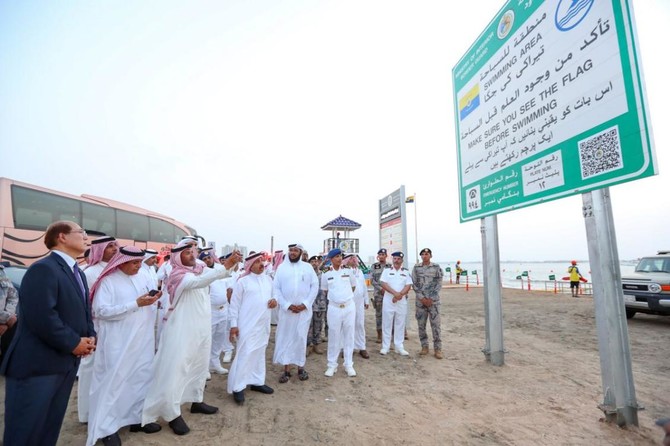
During his visit, Lim toured the Mohammed bin Naif Academy for Maritime Science and Security Studies, the Prince Mohammed bin Naif Maritime Base in Jeddah and the Maritime Rescue Co-ordination Center for the Red Sea and Gulf of Aqaba. The commander of the center explained the missions of search and rescue, as well as the humanitarian work of the center nationally, regionally and internationally, and its efforts to combat maritime piracy and armed robbery.
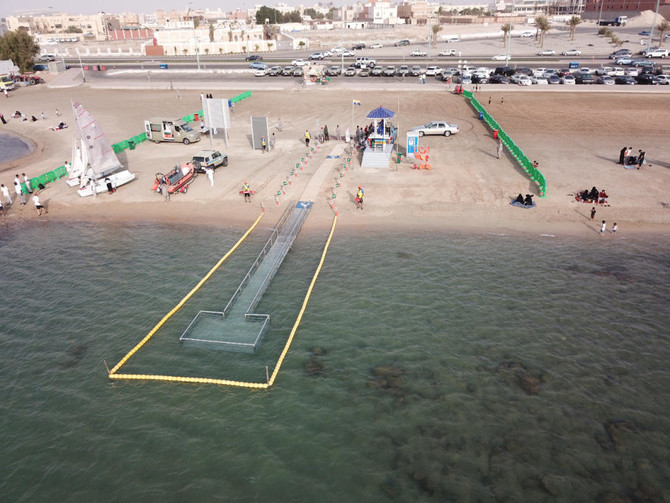
Furthermore, Lim had a tour of the beach set up by the Border Guards for persons with special needs, with high-quality facilities that are appropriate for them.
Lim and the visiting delegation expressed their admiration of the location. It is the first of its kind in Saudi Arabia.
He also hailed the “efforts of the Saudi Border Guards in their quest to establish swimming pools on all shores of the Kingdom to suit the needs of those with special needs.”
Border Guards Director General Maj. Gen. Awad bin Eid Al-Balawi launched the site on Friday as the beginning of a Border Guards initiative for people with special needs.
“The Saudi leadership has made it a top priority to care for disabled people and people with special needs. It made the protection of their rights a constitutional basis according to the provisions of Islam,” Al-Balawi told the visiting delegation.
He also pointed out that Vision 2030 was supportive of empowering people with special needs to obtain appropriate opportunities for education and work.
“The National Transformation Program (NTP) 2020 is also working on turning people with special needs from recipients of assistance to producers,” he added.
Al-Balawi recently directed the rapid establishment of a fully equipped location for swimming purposes for those with special needs to provide suitable services to beach visitors and provide support to their families.
Lim’s visit was to enhance cooperation between the Saudi Border Guards and the IMO, taking advantage of the expertise and professional cadres of the IMO in maritime and the academic domain, and to establish long-term cooperation between the two sides.


![]()
![]()
![]()
![]()

IMO secretary-general hails Saudi Border Guard initiative for persons of special needs

IMO secretary-general hails Saudi Border Guard initiative for persons of special needs


Latest updates





© 2026 SAUDI RESEARCH & PUBLISHING COMPANY, All Rights Reserved And subject to Terms of Use Agreement.