JOHANNESBURG: Rhino horn smugglers in South Africa are increasingly supplying the jewelry trade, marking a shift away from sales to traditional medicine makers, according to a new report published Monday.
Conservation group TRAFFIC said Chinese gangs were processing horns into beads, bracelets and bangles to supply Asia’s booming luxury goods market while also helping traffickers evade detection at airports.
Julian Rademeyer, a project director at TRAFFIC, said that the market for horn from the endangered species had been transformed in recent years.
“These products are exported and sold as they are, not necessarily to be ground down” as before, he told AFP.
“The rhino market has evolved over the years. The syndicates no longer want to export whole horn.”
Rhino horn is mostly keratin, the same material as human nails, and is believed to cure cancer and other conditions — as well being marketed as an aphrodisiac in Vietnam and China.
“Prior to that, a lot of the demand was for medicinal purposes, and in Vietnam demand for whole horn as a status symbol,” said Rademeyer.
The report, titled “Pendants, Power and Pathways,” revealed that smugglers are disguising rhino horn products as toys, artefacts and even hidden in bags of cashew nuts to avoid security detection.
They also wrap them in aluminum foil and smear them with toothpaste and shampoo to hide the tell-tale smell of decay.
The report revealed that countries including Ethiopia and Kenya played a “pivotal role as transit countries in Africa as they have direct links to Asian countries.”
South Africa’s OR Tambo International Airport in Johannesburg was also identified as a “key hub” for shipments destined for Asian countries.


![]()
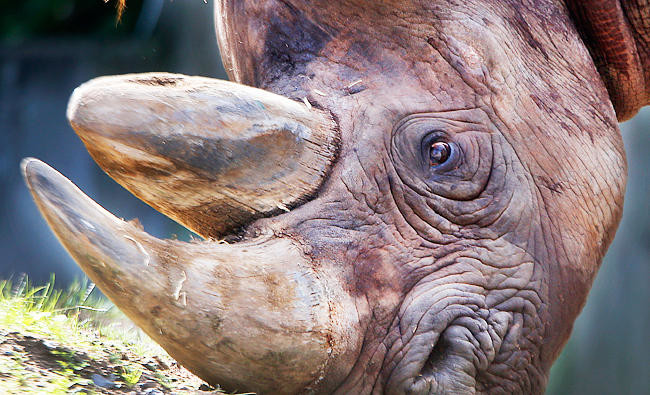
Rhino horn smugglers shift to jewelry: Report
Rhino horn smugglers shift to jewelry: Report



Latest updates


© 2026 SAUDI RESEARCH & PUBLISHING COMPANY, All Rights Reserved And subject to Terms of Use Agreement.