JOS, Nigeria: State governors in Nigeria on Friday moved to calm fears after clashes between pro-Biafra supporters and the military risked taking on a wider ethnic dimension.
In Jos, the capital of the central state of Plateau, Gov. Simon Lalong summoned leaders of the Hausa and Igbo communities for talks following skirmishes on Thursday.
At least two people were reported to have been killed in violence at two markets but police managed to restore control by firing warning shots into the air, eyewitnesses said.
Lalong, who called the clashes “avoidable and totally unnecessary,” imposed an indefinite dusk-to-dawn curfew in the city on Thursday.
Jos lies at the fault line of Nigeria’s religious divide between its mainly Muslim north and the predominantly Christian south, and has been hit by violence in the past.
The Hausa are the dominant ethnic group in the north while the Igbo are mainly found in the southeast.
In June, Igbo people living in the northern city of Kaduna were told to leave, as separatist sentiment surged in different parts of the country.
In recent days, supporters of the Indigenous People of Biafra (IPOB) movement clashed with the security services in the southern city of Port Harcourt and southeastern state of Abia.
The military claims a build-up of troops in Abia and around the home of IPOB leader Nnamdi Kanu in the state capital, Umuahia, is part of an operation against violent crime.
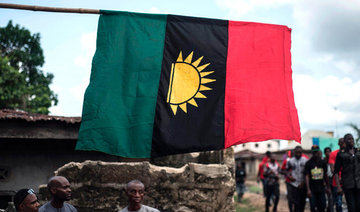
But IPOB suspects it is designed to crackdown on its activities. The group wants the Igbos to secede and create an independent republic of Biafra. A unilateral declaration of independence in 1967 led to a brutal civil war that lasted 30 months and left more than 1 million people dead.
A Nigerian Army spokesman, Col. Sagir Musa, rejected as “baseless and mischievous” claims that troops invaded Kanu’s compound.
Kanu is currently on bail pending the resumption of his trial in the capital, Abuja, on charges of treasonable felony.
Eyewitnesses to the clashes in Jos said Igbos were accused of “killing Hausas in the southeast,” although there has been no official confirmation of such claims.
In Abia, state Gov. Okezie Ikpeazu said soldiers would be gradually withdrawn from the streets and he would raise the issue with President Muhammadu Buhari.
In the northwestern state of Niger, Gov. Abubakar Sani Bello warned citizens against “hate speeches, violent agitation, rumor and sentiment” as well as reprisal attacks.
“Niger state is very central in Nigeria’s evolution and has always been a melting pot of people from various parts of the world,” he said in a statement.


![]()
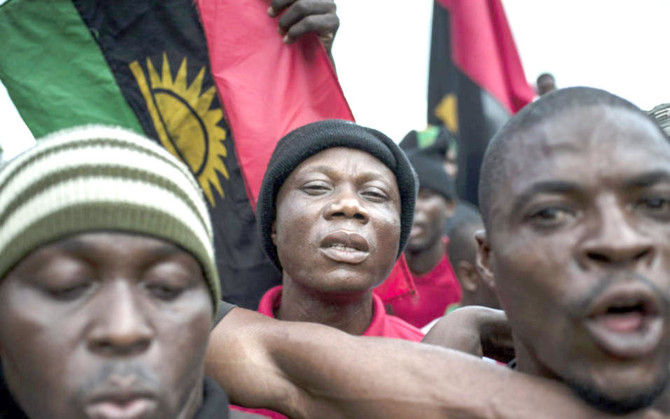
Calls for calm as tensions rise in Nigeria
Calls for calm as tensions rise in Nigeria


Latest updates


© 2026 SAUDI RESEARCH & PUBLISHING COMPANY, All Rights Reserved And subject to Terms of Use Agreement.