SAFFORD, Arizona: An Iraqi student jet fighter pilot was killed when an F-16 jet crashed during a training mission in southeastern Arizona, authorities said Wednesday.
The Iraqi air force identified the pilot as Capt. Noor Faleh Rassan Al-Khazali, but it didn’t list an age or hometown.
Al-Khazali was killed Tuesday when his Fighting Falcon jet went down in the southern Arizona desert during what an Arizona Air National Guard official called a routine training mission. The US Air Force has activated a team to investigate the crash about 129 km northwest of Tucson, the Air Guard’s 1st Lt. Lacey Roberts of the 162nd Wing said.
The Iraqi Defense Ministry said it will join in the investigation.
Roberts could not immediately say what type of training was being conducted. The F-16 is used in both air-to-air and air-to-ground combat missions.
Al-Khazali’s death was the second involving an Iraqi pilot flying an F-16 in Arizona in recent years.
Roberts said the plane belonged to the Iraqi air force and that the training mission was being conducted in conjunction with the 162nd Wing, which is based at Tucson International Airport.
The jet crashed in desert terrain, leaving a crater and scattered debris, Graham County Undersheriff Carl “Jeff” McCormies said.
The US military is training Iraqi pilots to fly F-16s at the request of Iraq’s government, Roberts said.
In July 2015, an Iraqi brigadier general flying from the 162nd died when his F-16, a newer model recently delivered to the Iraqi air force, crashed during night training near Douglas.
In January 2016, a Taiwanese pilot on a training flight from Luke Air Force Base near Phoenix was killed when his F-16 went down in Yavapai County.


![]()
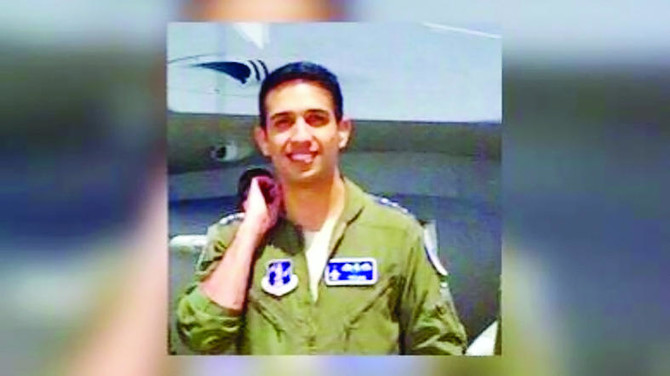
Iraqi student pilot killed in Arizona F-16 crash identified as Capt. Al-Khazali
Iraqi student pilot killed in Arizona F-16 crash identified as Capt. Al-Khazali


Latest updates


© 2026 SAUDI RESEARCH & PUBLISHING COMPANY, All Rights Reserved And subject to Terms of Use Agreement.