LONDON: UAE developers have revealed plans for a slew of new projects ahead of next week’s annual Cityscape real estate exhibition in Dubai.
Nakheel, the developer behind Dubai’s Palm Islands, said it would launch projects worth more than 3.2 billion dirhams ($870 million).
It said it would unveil six new residential, retail and hospitality developments at four of its Dubai communities during the event which is a key bellwether for the health of the regional property market.
A weak oil price and strong dollar have hurt the UAE property market which relies heavily on international buyers. However that has not deterred local developers from plowing ahead with new projects despite subdued demand.
Abu Dhabi-based Aldar Properties is also set to start sales on a 2.4 billion dirhams waterfront development situated on Yas Island in the UAE capital.
“Yas Island has established itself as Abu Dhabi’s most exciting destination with world-renowned leisure and entertainment attractions, and a range of luxury apartments, townhouses and villas set to welcome residents over the coming years,” said Aldar CEO Mohamed Khalifa Al Mubarak.
“Water’s Edge is the latest chapter in the Yas Island story – bringing high quality waterfront living to the emirate.”
The latest launches come despite further falls in property prices after a three-year market slump.
In 2016, house prices in Dubai fell by between eight and 11 percent, according to credit rating agency Standard & Poor’s, which forecasts a continued fall in property prices and rents across the emirate throughout 2017.
Still, the rate of price declines may be slowing according to some analysts.
JLL has said the Dubai property market is stabilising as the down cycle nears its end, with sale prices for villas and apartments in the emirate’s residential sector declining less than 1 percent in the year to June 2017.
Knight Frank also expects a gradual recovery in Dubai’s property market in 2017.
“Government commitment to spending on infrastructure and facilities, along with the realization among developers for the need to phase out projects in line with demand, lead us to believe the real estate market in Dubai has become more mature and resilient,” the broker said.


![]()
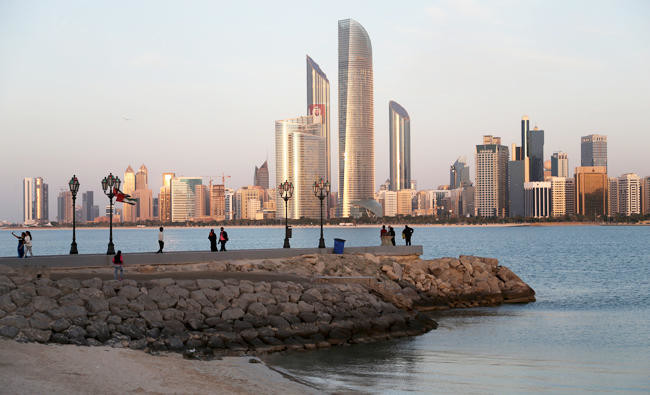
UAE developers reveal property plans ahead of Cityscape
UAE developers reveal property plans ahead of Cityscape
Latest updates




© 2026 SAUDI RESEARCH & PUBLISHING COMPANY, All Rights Reserved And subject to Terms of Use Agreement.