LONDON: Premier League clubs’ spending has set a new record for a single transfer window as the historically lavish spree reached £1.17 billion ($1.57 billion, 1.27 billion euros) on Thursday.
With a week to go until the window closes, Deloitte’s Sports Business Group say the 20 English top tier teams have shattered the previous record of £1.165 billion for one league in a single window, which was set by the Premier League last year.
Fuelled by global broadcast rights deals totalling £8.4 billion, 12 Premier League teams have broken their transfer record since the end of last season.
Liverpool’s record went on £39 million Mohamed Salah, Arsenal broke theirs for £50 million Alexandre Lacazette, while Chelsea, Tottenham and Everton set new marks with the signings of Alvaro Morata, Davinson Sanchez and Gylfi Sigurdsson respectively.
Manchester City were the biggest spenders, with boss Pep Guardiola shelling out £221.5 million, including £54 million on Tottenham defender Kyle Walker.
Manchester United manager Jose Mourinho splurged £145.8 million on three players, with the marquee recruit, Everton striker Romelu Lukaku, for a British record £75 million.
Everton are currently third in the spending chart after paying £139.9 million on new signings funded by the Lukaku sale.
Some fear the spending is unsustainable and could put the financial health of clubs at risk in the long-term.
But Deloitte consultant Chris Stenson believes the unprecedented fees are in line with reasonable expectations, given the riches available to Premier League clubs from the record broadcast deals which took effect last season.
“The level of transfer expenditure in this summer’s window has been extraordinary but when analyzed in the context of record broadcast, commercial and matchday revenues, Premier League clubs are spending within their means,” he said.
“Their ability to generate these record revenues and attract the world’s very best playing talent continues to drive the Premier League’s status as the most commercially successful football league in the world.”
Even newly-promoted Huddersfield have broken their transfer record four times as the impact of the television deal is felt throughout the top flight.
Despite Paris Saint-Germain paying a world record £200 million to sign Brazil striker Neymar from Barcelona, the Premier League teams have easily out-gunned the other top European leagues.
There is every chance the new record will climb even higher as teams fine-tune their squads with more spending in the final days of the transfer market, which won’t reopen until January.
“We expect further significant expenditure in the next seven days as clubs seek value in the market,” Stenson said.
“Last summer, Premier League clubs spent around £300m in the final week of the window, more than they did throughout the entire January 2017 window.”


![]()
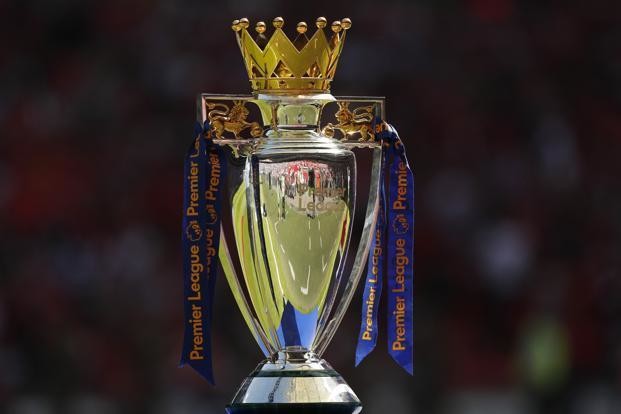

Football: Premier League transfer spending sets new record
Football: Premier League transfer spending sets new record
Football returns to Gaza pitch scarred by war and loss
- Fans gather to cheer the first football tournament in two years in the ruins of Gaza City’s Tal Al-Hawa district
- 'No matter what happened in terms of destruction and genocidal war, we continue with playing,' Gazan footballer says
On a worn-out five-a-side pitch in a wasteland of ruined buildings and rubble, Jabalia Youth took on Al-Sadaqa in the Gaza Strip’s first organized football tournament in more than two years.
The match ended in a draw, as did a second fixture featuring Beit Hanoun vs Al-Shujaiya. But the spectators were hardly disappointed, cheering and shaking the chain-link fence next to the Palestine Pitch in the ruins of Gaza City’s Tal Al-Hawa district.
Boys climbed a broken concrete wall or peered through holes in the ruins to get a look. Someone was banging on a drum.
Youssef Jendiya, 21, one of the Jabalia Youth players from a part of Gaza largely depopulated and bulldozed by Israeli forces, described his feeling at being back on the pitch: “Confused. Happy, sad, joyful, happy.”
“People search for water in the morning: food, bread. Life is a little difficult. But there is a little left of the day, when you can come and play football and express some of the joy inside you,” he said.
“You come to the stadium missing many of your teammates... killed, injured, or those who traveled for treatment. So the joy is incomplete.”
Four months since a ceasefire ended major fighting in Gaza, there has been almost no reconstruction. Israeli forces have ordered all residents out of nearly two-thirds of the strip, jamming more than 2 million people into a sliver of ruins along the coast, most in makeshift tents or damaged buildings.
The former site of Gaza City’s 9,000-seat Yarmouk Stadium, which Israeli forces levelled during the war and used as a detention center, now houses displaced families in white tents, crowded in the brown dirt of what was once the pitch.
For this week’s tournament the Football Association managed to clear the rubble from a collapsed wall off a half-sized pitch, put up a fence and sweep the debris off the old artificial turf.
By coming out, the teams were “delivering a message,” said Amjad Abu Awda, 31, a player for Beit Hanoun. “That no matter what happened in terms of destruction and genocidal war, we continue with playing, and with life. Life must continue.”
The match ended in a draw, as did a second fixture featuring Beit Hanoun vs Al-Shujaiya. But the spectators were hardly disappointed, cheering and shaking the chain-link fence next to the Palestine Pitch in the ruins of Gaza City’s Tal Al-Hawa district.
Boys climbed a broken concrete wall or peered through holes in the ruins to get a look. Someone was banging on a drum.
Youssef Jendiya, 21, one of the Jabalia Youth players from a part of Gaza largely depopulated and bulldozed by Israeli forces, described his feeling at being back on the pitch: “Confused. Happy, sad, joyful, happy.”
“People search for water in the morning: food, bread. Life is a little difficult. But there is a little left of the day, when you can come and play football and express some of the joy inside you,” he said.
“You come to the stadium missing many of your teammates... killed, injured, or those who traveled for treatment. So the joy is incomplete.”
Four months since a ceasefire ended major fighting in Gaza, there has been almost no reconstruction. Israeli forces have ordered all residents out of nearly two-thirds of the strip, jamming more than 2 million people into a sliver of ruins along the coast, most in makeshift tents or damaged buildings.
The former site of Gaza City’s 9,000-seat Yarmouk Stadium, which Israeli forces levelled during the war and used as a detention center, now houses displaced families in white tents, crowded in the brown dirt of what was once the pitch.
For this week’s tournament the Football Association managed to clear the rubble from a collapsed wall off a half-sized pitch, put up a fence and sweep the debris off the old artificial turf.
By coming out, the teams were “delivering a message,” said Amjad Abu Awda, 31, a player for Beit Hanoun. “That no matter what happened in terms of destruction and genocidal war, we continue with playing, and with life. Life must continue.”
Latest updates


Recommended


© 2026 SAUDI RESEARCH & PUBLISHING COMPANY, All Rights Reserved And subject to Terms of Use Agreement.