JEDDAH: Demand for Saudi riyals has increased at banks, and at local and foreign exchanges, as pilgrims and tourist companies use the currency for their Hajj needs, bankers told Aleqtesadiah newspaper.
The most exchanged currency during Hajj is the US dollar followed by the euro, Singapore dollar, Indian rupee, Indonesian rupiah, Emirati dirham and Malaysian ringgit, said Abdullah Al-Sayrafi, the manager of an exchange.
He added: “Moneychangers are dealing carefully with floating currencies and the decisions on whether to sell or not. However, the majority consider that quick selling, despite the small profit, is better than losing in the event of a decrease in the exchange rate of some currencies such as euro, sterling pound and Moroccan dirham.”
Al-Sayrafi noted that the currency exchanges are making profits, but not as big as the profit wholesale shops are making due to the high Hajji demands that reach SR5 million per day.
Economic analyst Mohammed Al-Dahyan said the exchange of pilgrims’ currencies to riyals, and back to their currencies before they leave, benefits the economy.
He clarified that the risk lies in the quick change of the currency exchange rate which might cause big losses to the exchanger in the event of an exchange rate decrease, except the US dollar, which has a fixed rate in exchange for the Saudi riyal.
He mentioned that the exchange of Hajjis’ currencies to riyals, and back to their own currencies before they leave, is one of the positive factors that benefits the economy, indicating that the exchanges ensure a different exchange rate to benefit from the profit margin.


![]()
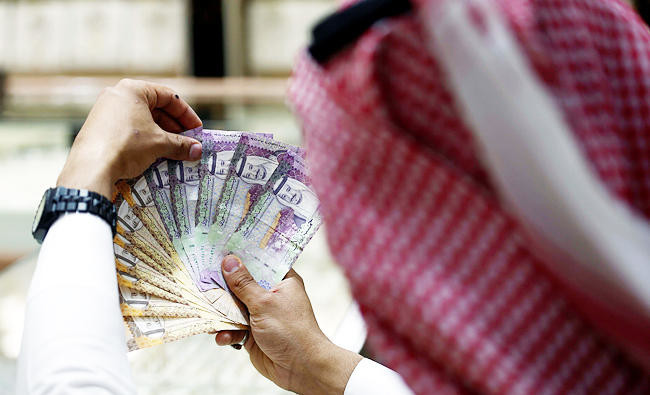
Demand for Saudi riyals up due to Hajj
Demand for Saudi riyals up due to Hajj

Latest updates


© 2026 SAUDI RESEARCH & PUBLISHING COMPANY, All Rights Reserved And subject to Terms of Use Agreement.