JEDDAH: An event was held in Mogadishu on Monday to mark three years since the last detected case of polio in Somalia.
It was attended by Somalia’s president, MPs, delegates from the Health Ministry, the World Health Organization (WHO) and UNICEF.
Speaking at the event, the WHO’s director for the Eastern Mediterranean, Dr. Mahmoud Fikri, applauded Somalia’s efforts to ward off the crippling and highly infectious virus, but urged continued caution.
“The absence of cases of polio in Somalia today is testament to the leadership, commitment and hard work of the government and people of Somalia, and the effective support and collaboration of many partners,” Fikri said.
“We need to remember, however, that Somalia is at risk of reinfection and we must stay vigilant.”
Somalia stopped endemic polio transmission in 2002, but was since twice affected by imports of the virus.
The outbreak in the Horn of Africa three years ago paralyzed nearly 200 children. Somalia was most affected, accounting for more than 90 percent of cases.
“The polio program in Somalia has fought hard to raise population immunity levels (against polio) across the country, and to improve surveillance system sensitivity to pick up traces of the disease,” said Fikri. “This is commendable, but there are still gaps we must continue to work to address.”
Insecurity and inaccessibility are key challenges for humanitarian partners operating in Somalia, particularly in the southern and central zones.
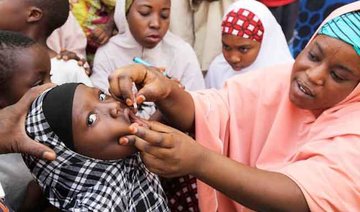
For the polio program, which aims to vaccinate every child under five years of age, innovative approaches are proving effective.
“Tools have been developed to help us map and track the movement of nomadic pastoral communities so we can reach children on the move,” said Dr. Ghulam Popal, WHO representative to Somalia.
“In addition, locally recruited village polio volunteers are helping us administer polio vaccine in and around places we can’t access. These volunteers also play a key role in helping to find and report cases of acute flaccid paralysis, which is an indicator for polio.”
The event celebrating three years polio-free comes amid the worst outbreak of measles the country has seen in years. Somalia is also still responding to a cholera outbreak that began in January.
“Polio infrastructure has been critical in responding to these other serious outbreaks,” Fikri said.
“We thank our donors and urge the international community to continue to support efforts to keep Somalia polio-free, and other much-needed health interventions in the country.”
Certificates of appreciation were presented to select individuals for outstanding contributions to Somalia’s anti-polio effort. Only nine cases of polio have been reported worldwide so far in 2017.


![]()

Somalia celebrates polio-free 3 years
Somalia celebrates polio-free 3 years

Latest updates


Recommended


© 2026 SAUDI RESEARCH & PUBLISHING COMPANY, All Rights Reserved And subject to Terms of Use Agreement.