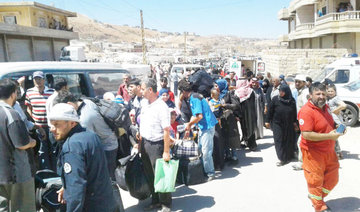
BEIRUT: The evacuation of a group of Syrian rebels and refugees from a border enclave in Lebanon back into Syrian territory started on Monday, Hezbollah-affiliated Al-Manar TV reported.
About 300 rebels from a group called Saraya Ahl Al-Sham as well as about 3,000 refugees are to leave Lebanon under a deal that followed an assault by the Lebanese Shiite group Hezbollah on insurgent positions last month.
A convoy of 40 buses had left for the Syrian border, Al-Manar said.
Their departure will leave a Daesh enclave as the last militant stronghold straddling the border near the Lebanese town of Arsal, which is home to tens of thousands of refugees.
The transfer, and another one early this month of Nusra Front fighters and refugees, echoes deals struck within Syria in which Damascus has shuttled rebels and civilians to opposition areas.
On Friday, the Lebanese security official overseeing the arrangements, General Abbas Ibrahim, said a group of civilians would go to Assal Al-Ward, an area just across the border from Arsal and held by the Syrian government.
The fighters and their families will go to another part of Syria which he did not identify. A military media unit run by Hezbollah last week said they would go to the rebel-held town of Al-Ruhaiba in the Eastern Qalamoun region.
Hezbollah is a Lebanese Shiite group that has played a big battlefield role in Syria’s civil war on the side of President Bashar Assad.
Last month it defeated rebels in the insurgent enclaves near the border in Lebanon and forced the hard-line Islamist Nusra Front group to leave. About 7,000 refugees departed with them for a rebel-held part of northwest Syria.
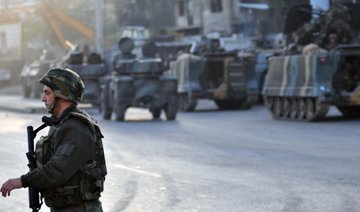
The Lebanese army is expected soon to assault the Daesh pocket in the same area.
That would end a period of several years in which armed groups from inside Syria held positions in the hills around Arsal, the most serious spillover of the s civil war into Lebanon.
More than 1 million Syrian refugees are sheltering in Lebanon, about a quarter of its total population. Hezbollah has stepped up calls for the Lebanese government to engage directly with Damascus over the return of refugees to Syria.
Syria’s opposition has criticized previous evacuations of civilians under cease-fire deals as amounting to the forced transfer of populations, something Damascus denies.
The growing number of evacuation deals for fighters and civilians from besieged rebel areas inside Syria over the past year has helped Assad solidify his hold in several parts of the country.
Lebanon’s General Security, the government agency that negotiated Monday’s transfer, said all the civilians returning were doing so voluntarily.


![]()

Fighters, refugees leave Lebanon enclave for Syria
Fighters, refugees leave Lebanon enclave for Syria

Latest updates


© 2026 SAUDI RESEARCH & PUBLISHING COMPANY, All Rights Reserved And subject to Terms of Use Agreement.