JEDDAH: The Anti-Terror Quartet (ATQ) — Saudi Arabia, Egypt, UAE and Bahrain — issued a joint statement in which they valued the US efforts in the fight against terror financing.
The statement reads:
The four countries value the efforts of the United States of America in the fight against terrorism and its financing and the full and solid partnership embodied in the Arab-Islamic-American Summit, which has established a firm international position to confront extremism and terrorism regardless of its source and origin.
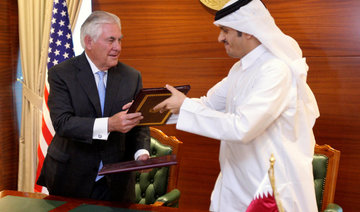
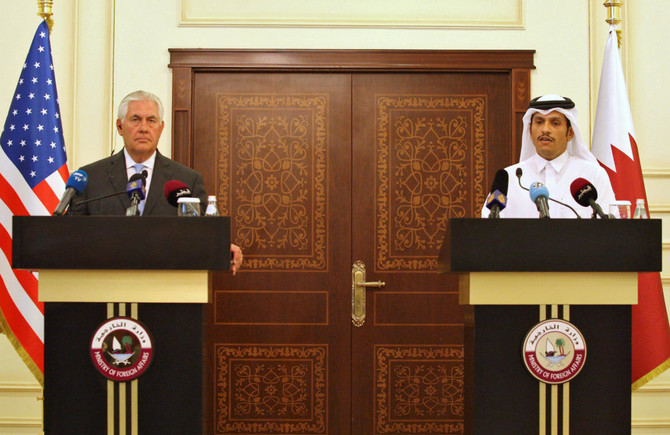
The signing of a Memorandum of Understanding on Combating the Financing of Terrorism between the United States and the Qatari authorities is the result of the repeated pressures and demands over the past years by the four countries and their partners to stop its support for terrorism with the assertion that this step is not enough and that the four countries will closely monitor the seriousness of the authorities in its fight against all forms of terrorist financing, its support and embrace.
The four countries emphasize that the measures they have taken have been because of the continuation of various activities of the Qatari authorities in supporting and financing terrorism, harboring extremists, spreading hatred and extremism and interfering in the internal affairs of other countries. These activities must be fully and definitively stopped in implementation of the legitimate and just demands.
The Qatari authorities have consistently revoked all the agreements and commitments, the most recent of which was the Riyadh Agreement (2013), which led to the withdrawal of ambassadors and their return only after the Qatari authorities signed the supplementary agreement (2014) and their continued intervention, incitement, conspiracy, harboring of terrorists, financing terrorist acts and spreading hatred and extremism, with which it cannot be trusted in any commitment it makes according to its existing policy without the establishment of strict controls to verify the seriousness of its return to the normal and right track.
The four countries also reiterate the continuation of their current procedures until the Qatari authorities are committed to the implementation of the just and full demands that will ensure that terrorism is addressed and stability and security are established in the region.
— With input from SPA