MOSCOW: The Russian Foreign Ministry has criticized President Donald Trump’s decision to freeze a detente with Cuba and his verbal attack on the Caribbean island’s leaders.
Russia’s Foreign Ministry said in a statement on Sunday that Trump is “returning us to the forgotten rhetoric of the Cold War.”
The statement said :“It’s clear the anti-Cuba discourse is still widely needed. This can only induce regret.”
Despite Trump’s campaign pledge to improve relations with Moscow, there has been no significant improvement in foreign policy cooperation between the two countries. Last week, the US Senate voted overwhelmingly to back new sanctions on Russia.
Moscow maintains close ties with Havana, and signed a deal in March to ship oil to Cuba for the first time in over a
Meanwhile, Trump began his day with a stream of tweets defending his record and lashing out at the investigation into Russian interference in the election.
In a two-part tweet, Trump wrote: “The MAKE AMERICA GREAT AGAIN agenda is doing very well despite the distraction of the Witch Hunt.”
He said: “Many new jobs, high business enthusiasm... massive regulation cuts, 36 new legislative bills signed, great new S.C.Justice, and Infrastructure, Healthcare and Tax Cuts in works!”
Trump acknowledged for the first time Friday that he is under federal investigation as part of the probe. He lashed out at a top Justice Department official overseeing the inquiry, reflecting his mounting frustration with the unrelenting controversy that has consumed his early presidency.
“I am being investigated for firing the FBI Director by the man who told me to fire the FBI Director! Witch Hunt,” the president wrote on Twitter.
His morning missive apparently referred to Rod Rosenstein, the deputy attorney general whose role leading the federal investigation has become increasingly complicated. The White House has used a memo he wrote to justify Trump’s decision to fire FBI Director James Comey, but that Trump action may now be part of the probe. Thursday night, Rosenstein issued an unusual statement complaining about leaks in the case.
Trump advisers and confidants describe the president as increasingly angry over the investigation, yelling at television sets in the White House carrying coverage and insisting he is the target of a conspiracy to discredit — and potentially end — his presidency. Some of his ire is aimed at Rosenstein and investigative special counsel Robert Mueller, both of whom the president believes are biased against him, associates say.
Dianne Feinstein, top Democrat on the Senate Judiciary Committee, said she was “increasingly concerned” that Trump will fire both Mueller and Rosenstein.
“The message the president is sending through his tweets is that he believes the rule of law doesn’t apply to him and that anyone who thinks otherwise will be fired,” Feinstein said. “That’s undemocratic on its face and a blatant violation of the president’s oath of office.”
Aides have counseled the president to stay off Twitter and focus on other aspects of his job. They have tried to highlight the positive reviews he received Wednesday when he made a statesman-like appearance in the White House to address the nation after Rep. Steve Scalize was shot during a congressional baseball practice.
Yet Trump’s angry tweets on Friday underscored the near-impossible challenge his advisers and legal team have in trying to get him to avoid weighing in on an active probe.


![]()
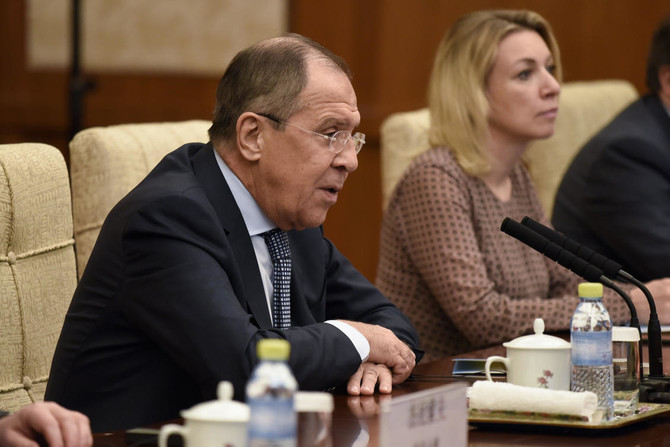
Trump using ‘Cold War rhetoric’ on Cuba, says Russia
Trump using ‘Cold War rhetoric’ on Cuba, says Russia
Latest updates


Recommended


© 2026 SAUDI RESEARCH & PUBLISHING COMPANY, All Rights Reserved And subject to Terms of Use Agreement.