SHANGHAI: China and the Asia Development Bank (ADB) have launched a green financing platform to support efforts by small- and medium-sized enterprises (SMEs) to cut pollution in the smog-hit Beijing-Tianjin-Hebei region, ADB said on Friday.
The area, home to six of China’s 10 smoggiest cities in the first quarter of this year, has promised to upgrade or shut vast swathes of polluting industry as it tries to meet 2017 air quality targets.
But financing the transition to cleaner energy has proved one of its biggest challenges, especially in poorer rural regions of Hebei, where the switch from coal to natural gas is expected to cost at least 300 billion yuan ($44.04 billion) over the period between 2016 and 2020.
The financing platform was launched by the ADB and the China National Investment and Guaranty Corporation (I&G), the State Development and Investment Corporation (SDIC), as well as China’s Finance Ministry and National Development and Reform Commission (NDRC).
The bank late last year approved a loan of €458 million ($510.58 million) for the platform, which it said will leverage €3.6 billion in domestic commercial financing.
According to Hebei delegates attending an annual session of the Parliament in March, the government is only expected to provide around 10-15 percent of the 3-4 trillion yuan of green investment China needs every year over the next five years.
China began to develop green financing in 2007 and more than 8 trillion yuan in “green credit,” used to finance clean projects, has been issued. However, environmental financing mechanisms remain inadequate, especially when it comes to tackling widespread soil and water pollution, and SMEs have also struggled to get funding.
“The reality is, even though SMEs realize the need to invest in cleaner production facilities, they often do not have access to finance,” said Ayumi Konishi, director-general of ADB’s East Asia Department, at a ceremony held in Beijing on Friday.
China selected five regions this week to take part in pilot government green financing schemes, the Cabinet said on Wednesday.
It promised to back financial institutions in their efforts to set up green financing businesses, encourage small loans and provide support to venture capital and private equity funds participating in green investment programs.
It also said it would explore new green credit mechanisms, including the granting of loans that accept emission trading earnings as collateral.


![]()
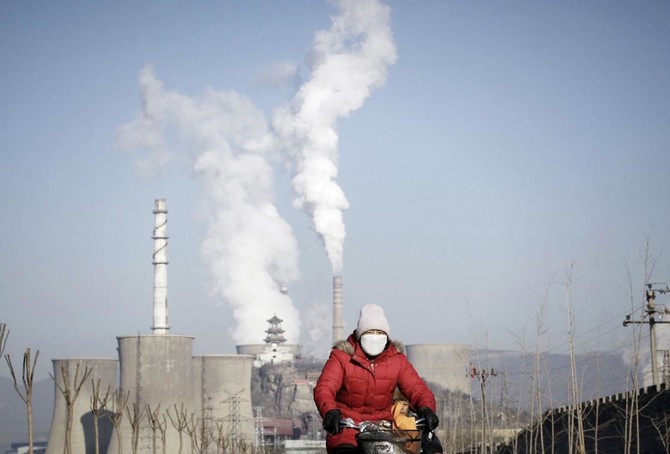
China, ADB launch green financing platform to fight pollution
China, ADB launch green financing platform to fight pollution
Latest updates


Recommended


© 2026 SAUDI RESEARCH & PUBLISHING COMPANY, All Rights Reserved And subject to Terms of Use Agreement.