NEW YORK: It is worth more than an ounce of gold right now, it is completely digital and it is the currency of choice for the cyberattackers who crippled computer networks around the world in recent days.
When the attackers’ “ransomware” sprang into action, it held victims hostage by encrypting their data and demanding they send payments in bitcoins to regain access to their computers. Bitcoin has a fuzzy history, but it is a type of currency that allows people to buy goods and services and exchange money without involving banks, credit card issuers or other third parties.
Here is a brief look at bitcoin:
How bitcoins work
Bitcoin is a digital currency that is not tied to a bank or government and allows users to spend money anonymously. The coins are created by users who “mine” them by lending computing power to verify other users’ transactions. They receive bitcoins in exchange. The coins also can be bought and sold on exchanges with US dollars and other currencies.
How much is it worth?
One bitcoin recently traded for $1,734.65, according to Coinbase, a company that helps users exchange bitcoins. That makes it more valuable than an ounce of gold, which trades at less than $1,230.
The value of bitcoins can swing sharply, though. A year ago, one was worth $457.04, which means that it is nearly quadrupled in the last 12 months. But its price doesn't always go up. A bitcoin’s value plunged by 23 percent against the dollar in just a week this past January. It fell by the same amount again in 10 days during March.
Why bitcoins are popular
Bitcoins are basically lines of computer code that are digitally signed each time they travel from one owner to the next. Transactions can be made anonymously, making the currency popular with libertarians as well as tech enthusiasts, speculators — and criminals.
Who is using bitcoin?
Some businesses have jumped on the bitcoin bandwagon amid a flurry of media coverage. Overstock.com accepts payments in bitcoin, for example.
The currency has become popular enough that more than 300,000 daily transactions have been occurring recently, according to bitcoin wallet site blockchain.info. A year ago, activity was closer to 230,000 transactions per day.
Still, its popularity is low compared with cash and cards, and many individuals and businesses will not accept bitcoins for payments.
How bitcoins are kept secure
The bitcoin network works by harnessing individuals’ greed for the collective good. A network of tech-savvy users called miners keep the system honest by pouring their computing power into a blockchain, a global running tally of every bitcoin transaction. The blockchain prevents rogues from spending the same bitcoin twice, and the miners are rewarded for their efforts by being gifted with the occasional bitcoin. As long as miners keep the blockchain secure, counterfeiting shouldn't be an issue.
How bitcoin came to be
It is a mystery. Bitcoin was launched in 2009 by a person or group of people operating under the name Satoshi Nakamoto. Bitcoin was then adopted by a small clutch of enthusiasts. Nakamoto dropped off the map as bitcoin began to attract widespread attention. But proponents say that does not matter: The currency obeys its own internal logic.
An Australian entrepreneur last year stepped forward and claimed to be the founder of bitcoin, only to say days later that he did not “have the courage” to publish proof that he is.


![]()
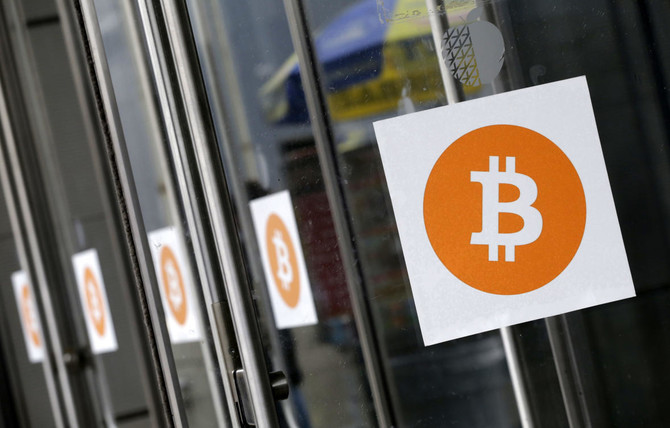
What is bitcoin? A look at the digital currency
What is bitcoin? A look at the digital currency
Latest updates


© 2026 SAUDI RESEARCH & PUBLISHING COMPANY, All Rights Reserved And subject to Terms of Use Agreement.