JEDDAH: The city of Thuwal on the Red Sea coast is known for fishing, pearl diving, and oyster extractions as well as for its role as an important commercial center serving a number of neighboring villages.
In addition to its historical and cultural heritage and strategic location, Thuwal is also well known as the home of King Abdullah University of Science and Technology (KAUST), the largest university city in the world with a size of 36 million sq. meters. It is also one of the most distinguished modern Saudi universities.
The fishing industry was historically popular, particularly during the time of King Abdulaziz and the early part of the rule of King Saud. Exports from the port of Massawa in Eritrea and Suakin in Sudan came to Thuwal.
The town is located only 80 km north of Jeddah and is named after the Thuwal Valley that surrounds the city on the north and the south. The town has a fishermen’s harbor with a capacity of 180 boats, and another 120-boat facility fully equipped with all services. The Northern Corniche has an area of 385,000 sq. meters and is linked with an island which is 250,000 sq. meters.
The head fisherman in Thuwal, Ghawainem Mohammed Al-Jahdali, told the Saudi Press Agency (SPA) that journeys at sea used to last between 2 and 9 months with 10-15 divers on board who searched for pearls and oysters.
“Fishing trips would kick off from the coast of Thuwal to Eritrea, Sudan, Yemen, and the Farasan Islands,” he said. “Another type of fishing trip would take 10-15 days with coastal fishing involving deep-sea diving in depths of no more than 200 meters near the continental shelf area,” he said.
Al-Jahdali explained that these trips were carried out on smaller boats on which fishermen would use different ways of fishing such as hooks, nets and traction bags.
He said different types of marine wildlife were caught during coastal fishing trips. He noted that this kind of fishing was done in distant areas and in deeper parts of the sea on large and fully equipped boats. Such boats were needed in order to preserve and box different types of fish caught such as tuna. Lower-budget fishing trips would use smaller boats with nets anchored in waterways where fish are found, he said.
Barak Jahdali, also a fisherman, said fish from the waters near Thuwal were distinct for their unique taste. He said that the colors of fish vary depending on the depth of the sea in which they are found.
Some areas are well known for having abundant fish and fishermen from Thuwal also go to particular locations, including islands such as Abu Shousha, Qut’at Al-Qirsh, Al-Nazeh, and others, he added.
Fresh fish has long been available at the fish market. It arrives fresh in the early morning, with prices for various types of fish, including naajil and hammour, varying between SR50 and SR300, depending on the size and type of the fish.


![]()
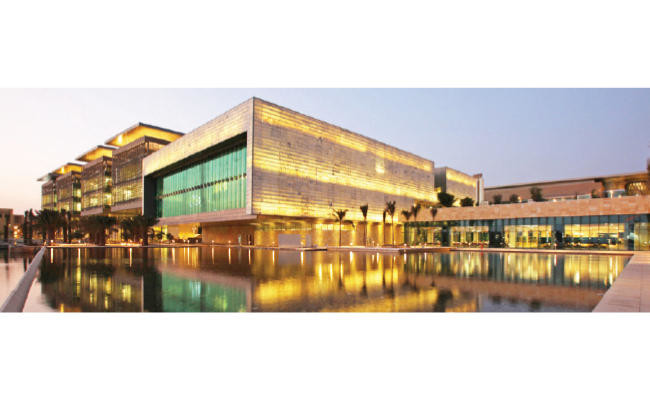
Saudi Historical city of Thuwal embraces future with the most modern university
Saudi Historical city of Thuwal embraces future with the most modern university
Latest updates


Recommended


© 2026 SAUDI RESEARCH & PUBLISHING COMPANY, All Rights Reserved And subject to Terms of Use Agreement.