RIYADH: Abdullah bin Majdu Al-Qarni kicked off the 31 GCC Traffic Week from the capital early this week. The event was held at the King Abdul Aziz Historical Center in Riyadh, and focused on its theme “Your Decision Determines Your Destiny.”
The World Health Organization (WHO) reported that 1.25 million traffic deaths occur each year.
Al-Qarni underlined the importance of awareness campaign to curtail accidents.
The Kingdom loses SR50 billion annually due to damage caused to private and public property and injuries to people as a result of traffic accidents, according to Najah Al-Garawi, dean of community partnerships and associate professor of geography at the Dammam University in an earlier statement.
She said the losses were heavy including loss of human lives, injuries, damage to private and public property, and the cost of medical care on the state. She pointed out that the number of deaths due to traffic accidents will eventually have a severe impact to the economy of the country due to the loss of valuable human lives.
According to Sultan Al-Zahrani, secretary general of the Traffic Safety Committee in the western province, at least one traffic accident occurs in the Kingdom every minute. There are up to 7,000 deaths from traffic accidents and more than 39,000 injuries every year in the Kingdom.


![]()
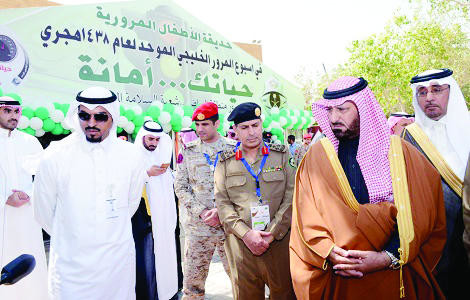
GCC traffic week opens in Riyadh
GCC traffic week opens in Riyadh
Latest updates


© 2026 SAUDI RESEARCH & PUBLISHING COMPANY, All Rights Reserved And subject to Terms of Use Agreement.