RIYADH: Saudi Arabia’s institutions and facilities sustained nearly 1,000 cyberattacks in 2016 from hackers seeking to prevent services, steal data and target infrastructure, according Saleh Ibrahim Al-Motairi, director general of the National Cyber Security Center.
The Kingdom’s Cyber Security Center reports that a number of recent attacks are similar to breaches suffered by some Saudi companies four years ago with the same modern software, said Prince Bandar bin Abdullah Al-Mishari Al-Saud, assistant minister of Interior for Technology Affairs at the Ministry of Interior. Prince Bander called for the development of the cybersecurity systems in the country,
Al-Motairi and Prince Bandar made their remarks during 2nd annual International Cyber Security Conference (ICSC) Monday and Tuesday at the Security Forces Officers’ Club in Riyadh.
About 1,000 delegates – mostly corporate officers and IT and security managers – attended the conference..
“Cyber security is a shared responsibility, so we look forward to everyone’s cooperation to protect national security and the pledge and commitment to apply basic standards, share data and strive to develop national capacities,” Prince Bandar said in his opening remarks.
Saudi Arabia is rapidly developing and diversifying its economy. A key factor of Saudi Arabia’s new economic plan through Vision 2030 is information and communications technology (ICT).
However, the widespread use of ICT heightens the risk of cybersecurity threats from hackers, hacktivists, organized criminals and foreign governments.
To successfully combat these threats, the Kingdom must develop standards, policies and legal frameworks; share and disseminate critical information and alerts; and most importantly, create further education and awareness among cybersecurity stakeholders, cybersecurity experts said.
Al-Motairi said that 992 hacking attempts occurred in 2016 with 124 cases of hacking reported at the national level. The center reported 1,865 instances of warnings of planned attacks.
Al-Motairi added that Saudi Arabia recently finished building a national platform to monitor cyberspace risks around the clock. The government also developed national technical capacities to understand the risks that threaten the country’s networks and its digital system.
Lt. Col. Bassam Al-Maraj, Bahrain’s interior ministry director, blamed Iran for many of the cyberattacks infrastructure of the banks and the interior ministry.
He said Manama was exposed to 250 breach attempts per month, and that most attempted penetrations allegedly originated in Iran through orders issued by accounts of individuals wanted by the Bahraini security and harbored by Tehran.
The financial institutions in Kuwait have also been targeted, according to Quasai Alshatti, director general of Kuwait’s central agency for information technology.


![]()
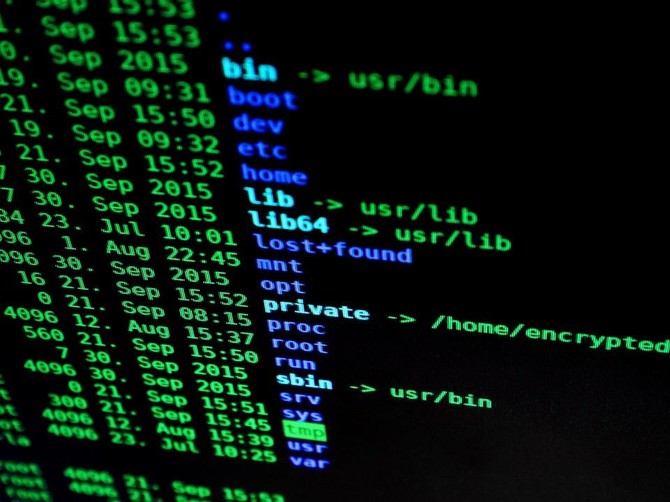
Saudi facilities sustained nearly 1,000 cyber attacks in 2016
Saudi facilities sustained nearly 1,000 cyber attacks in 2016
Latest updates


Recommended


© 2026 SAUDI RESEARCH & PUBLISHING COMPANY, All Rights Reserved And subject to Terms of Use Agreement.