Beit Misk is a tribute to authentic Lebanese cuisine and all things Lebanon. After two years of operation in Dammam, the fine-dining restaurant opened its second branch in Alkhobar last month.
Although there is no dearth of Lebanese restaurants in the Middle East, you can tell — right from the outset — that Beit Misk is different. Mosaic walls, wooden furnishings and fittings, earthen pots, photographs of old Lebanon and weave baskets have us longing for the countryside.
Designed by a Lebanese interior designer, the ambiance has a cross-generational appeal, with private seating areas that appeal to the older generation and the use of trendy aesthetics that appeal to the young.
Although the concept is “Lebanese at heart,” the restaurant is 100 percent Saudi. It is owned and managed by the Al-Shiha family, which has been in the restaurant business for 40 years. The social media manager of the family-run business, Najoud Al-Shiha, spoke to Arab News about the extensive social media and marketing strategies that Beit Misk has adopted.
“The traditional methods of marketing may not be very relevant anymore. Especially in Saudi Arabia, where word-of-mouth and social media — Instagram, Twitter and Snapchat — is a good way of informing people about your brand and services, and building a loyal customer base,” Al-Shiha said.
At the launch of Beit Misk Alkhobar, social-media influencers and bloggers were invited to the event through personalized Beit Misk clay-pot invites.
Learning from her culinary trips abroad, Al-Shiha has worked closely with the Lebanese head chef, Milad, to curate some of the restaurant’s signature dishes.
For starters, she recommends the chicken tenders (deep fried, and served with a spicy sauce) and the “Beirut Twist” — a fusion of Mexican and Lebanese, potato wedges doused in bolognese sauce, cheddar cheese, and jalapenos.
It would be disgraceful to visit a Lebanese restaurant and not order cold mezze. We tried the trio-hummus (mango, pesto and almond) and the “Mama Ghanoush” (a smooth, creamy beetroot ghanoush) served with fresh pita bread.
The star of the show was the Beit Misk salad — a combination of quinoa, broccoli, bell peppers, and three sweet and savory cheese balls (raisin, almond and pistachio). From the hot mezze, we ordered the lehmeh ras asfour, which is kibbeh stuffed with meat and sautéed in grenadine molasses and garnished with sesame and pomegranate seeds.
From the main courses, we ordered the chicken and lamb taouk platter served with garlic sauce and rice, the kibbeh labanieh (kibbeh balls cooked in yogurt sauce, served with rice) and the hamour fish on a bed of rice, served with a caramelized onion sauce and tahini sauce. The combination of melt-in-the-mouth fish, warm rice, and creamy sauces should not be missed.
We opted for the pomegranate juice and the Beit Misk fruit cocktail (kiwi, melon, pineapple, mango, cocktail juice, avocado juice, honey and nuts.) Other popular options are the “Jamaica Special” (grenadine, pineapple juice, orange juice, grapefruit juice, fresh strawberry and soda) and the white coffee (a special blend from Lebanon.)
“Customers always like to see a food show and the sizzling kanafah is definitely worth a show,” says Al-Shiha. This dish is served on a hot plate and made to “sizzle” with sugar syrup and ice-cream.
Beit Misk is located in a strategic location — on the Prince Mohammed bin Fahad Road — between Alkhobar and Dammam. It caters to customers who are largely working professionals, and offers private party catering and home-delivery services.
“Providing exceptional quality and service makes the whole difference,” said Al-Shiha. We couldn’t agree more!
• [email protected]


![]()
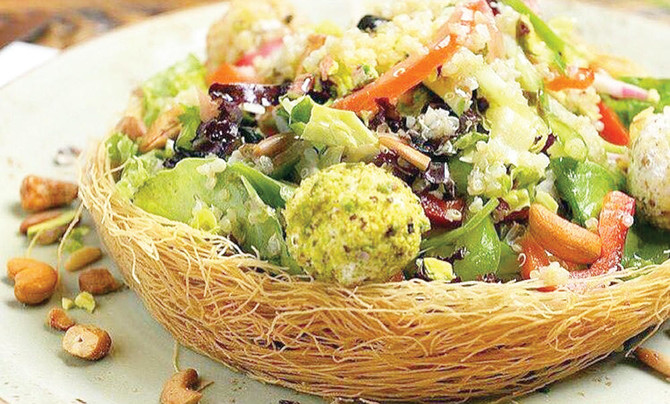
Lebanese at heart: Beit Misk
Lebanese at heart: Beit Misk
Latest updates





© 2026 SAUDI RESEARCH & PUBLISHING COMPANY, All Rights Reserved And subject to Terms of Use Agreement.