- Yemeni officer said government troops seized strategic Qarfan Mountain, then advanced into Houthi-held areas across the mountain chain near Lahj, Bab Al‑Mandab and the Red Sea
- Yemen’s Executive Unit for the for IDP Camps Management said ongoing fighting is displacing more families, with Taiz receiving the bulk of refugees
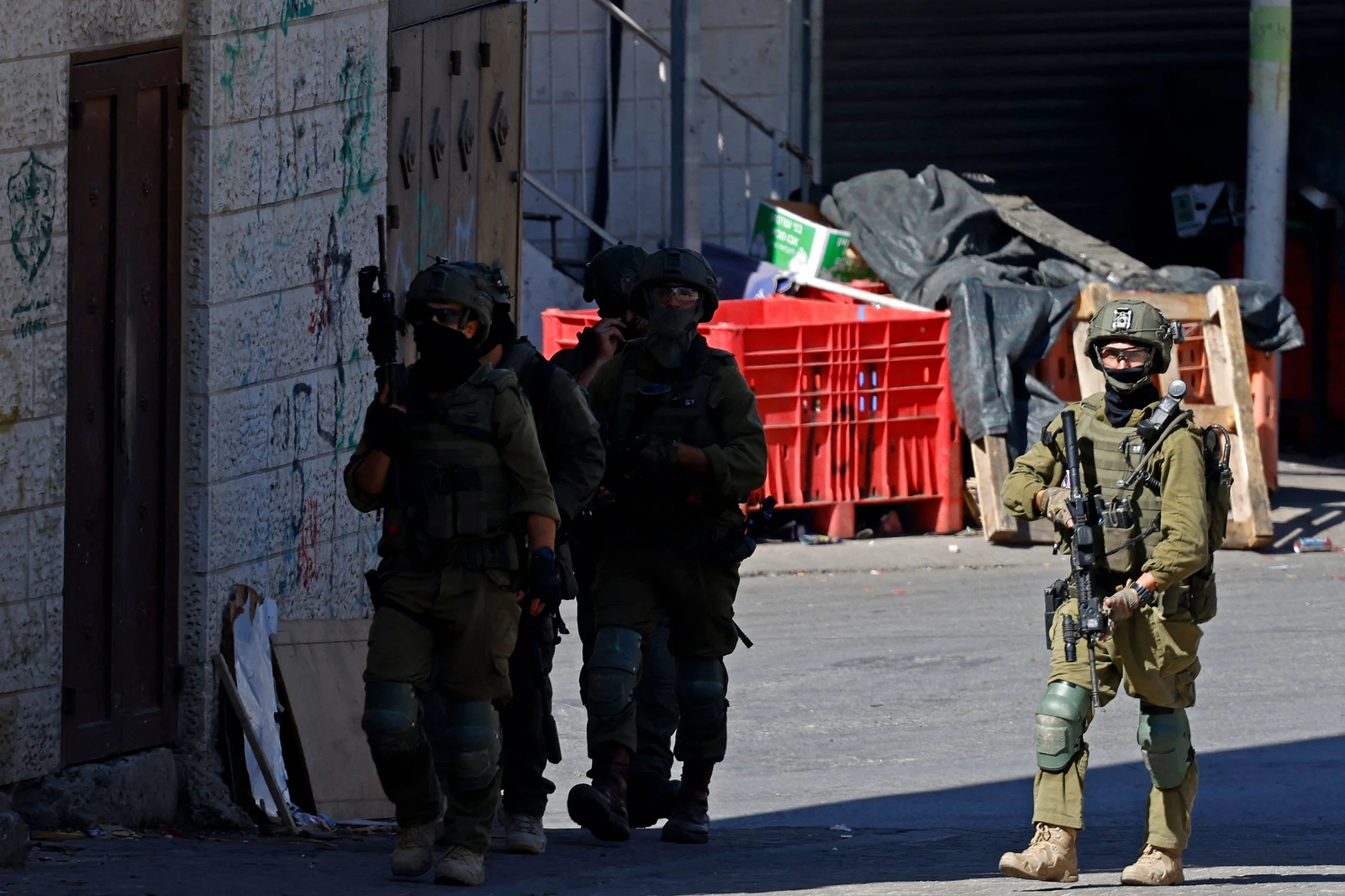
AL-MUKALLA: Fierce fighting between Yemeni government forces and the Iran-backed Houthis intensified on Wednesday in southern Taiz province as government troops pushed into new areas shortly after seizing control of a strategic mountain southwest of the city.
This comes as a government body responsible for managing internal displacement said the number of displaced people had risen from 131,000 five days earlier to 169,000.
Col. Abdul Basit Al-Baher, a Yemeni Army officer in Taiz, told Arab News that government troops had seized control of the strategic Qarfan mountain and secured its surroundings before advancing into Houthi-controlled areas across a chain of mountains near the southern province of Lahj, Bab Al-Mandab Strait and the Red Sea.
“There are intense clashes involving various calibers of gunfire and weaponry at the moment on those battlefields south of Taiz. We have also captured a number of Houthis, including a senior field commander whose name we will not reveal for now,” Al-Baher said.
As government troops advanced into the newly recaptured areas in Taiz, they found the bodies of more than 800 Houthi fighters scattered across mountains and valleys, apparently killed in airstrikes or shelling by the Yemeni Armed Forces.
Al-Baher said government forces this week handed over to the International Committee of the Red Cross the bodies of 860 Houthi fighters killed since the beginning of September and recovered from the battlefields.
Fighting has intensified across several districts of Taiz province since early this month, when the Houthis launched their largest military offensive, resulting in their capture of large swathes of Yemen’s western coast, including Mokha and Bab Al-Mandab Strait.
The Houthis faced stiff resistance as they attacked government-controlled areas in western and southern Taiz, seeking to seize strategic mountains to secure their gains along the Red Sea.
Al-Baher said the Houthis had employed guerrilla warfare tactics and dispatched successive waves of fighters to the battlefields in an attempt to break through government defenses.
Yemeni government forces, including troops from several military regions and the Giants Brigades, said they had carried out drone strikes against Houthi gatherings, military reinforcements, vehicles and fighters on battlefields in Marib, Al-Bayda, Lahj and Al-Jawf.
Footage released by the military showed drones striking Houthi positions and military vehicles, triggering explosions and clouds of dust and throwing fighters into the air, apparently killing or wounding them.
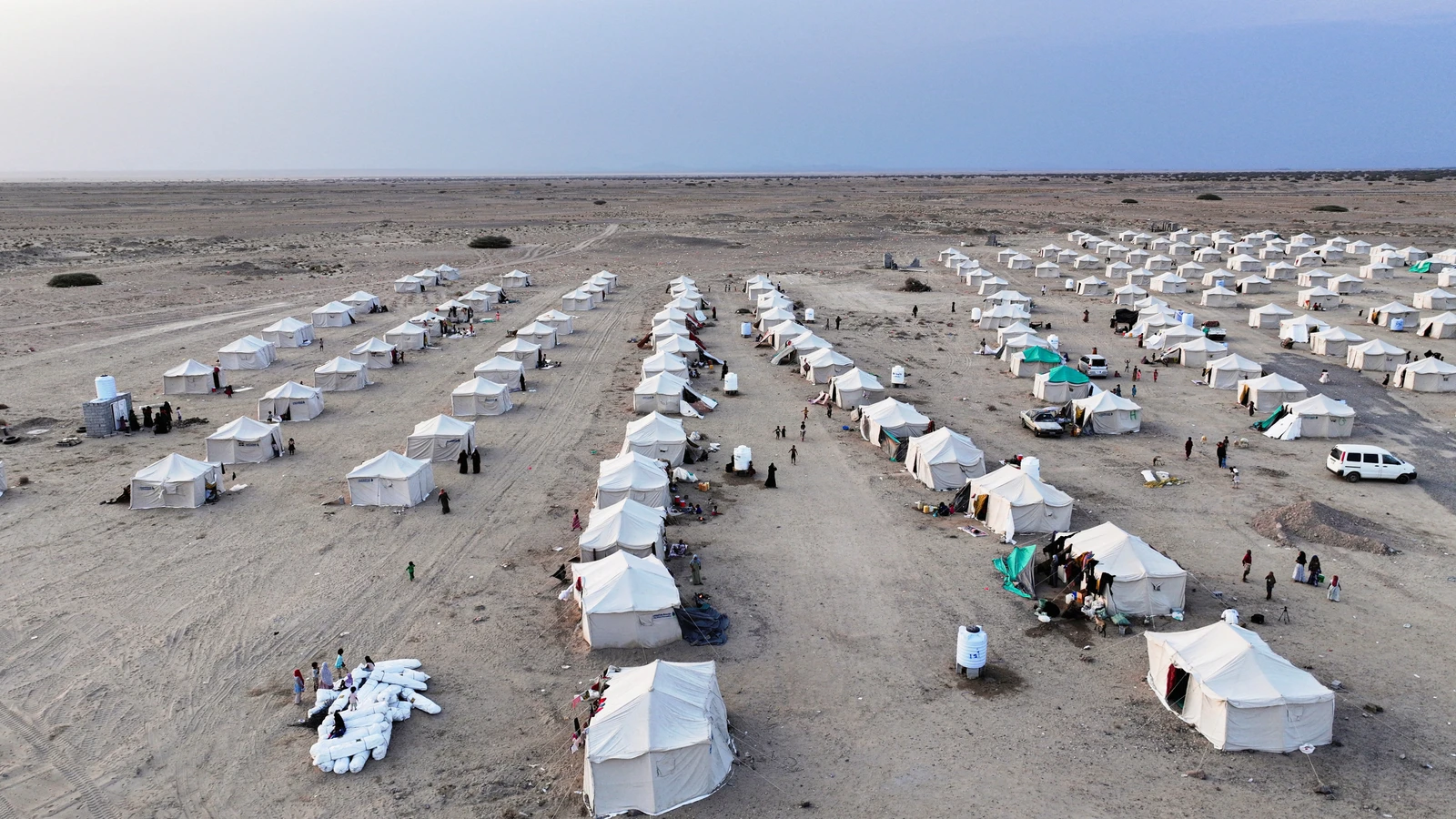
Meanwhile, the Executive Unit for the Management of Displaced Persons Camps, a government body responsible for managing internal displacement, said that the number of internally displaced people had risen to 169,000, up from 131,000 five days earlier, as fighting continued to force families to flee their homes.
Local aid workers said the displaced were in urgent need of shelter, food and healthcare.
In its latest report, released on Tuesday, the government body said Taiz continued to receive the largest number of displaced people, with 88,324 seeking refuge in the province, followed by Lahj with 39,375 and Aden with 15,003.
Thousands of others had sought shelter in Abyan, Hadramout and other provinces.
“Most of these families were forced to flee abruptly, without even the most basic shelter, food, or means of livelihood — exacerbating their suffering, particularly for those staying with host families or in informal settlements,” the unit said in its report.
Local aid workers in Taiz said displaced families were continuing to arrive in the province, with some forced to shelter in overcrowded houses or small tents, while others were sleeping in the open.
Mohammed Mahmoud, an aid worker in Taiz’s Al-Ma’afer district, told Arab News on Wednesday that the humanitarian response to the influx of displaced people remained inadequate.
He said some families had been displaced for a second time after being unable to afford rent in Aden and other government-controlled areas.
“The priority now is multi-purpose cash assistance so that people can purchase their urgent necessities. People fled quickly because the war caught them off guard,” Mahmoud said.